Abbasid Caliphate
The Golden Age
The zenith of Islamic culture, science, and philosophy in Baghdad.
Cultural Discovery
House of Wisdom
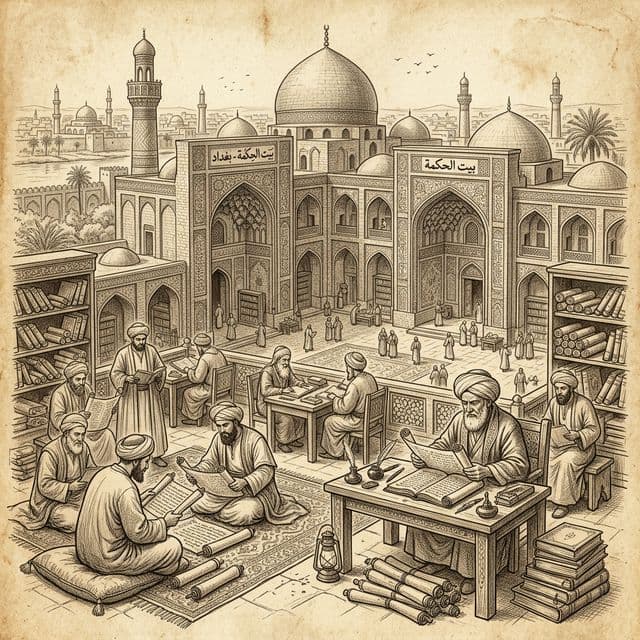
House of Wisdom
Historical Figures
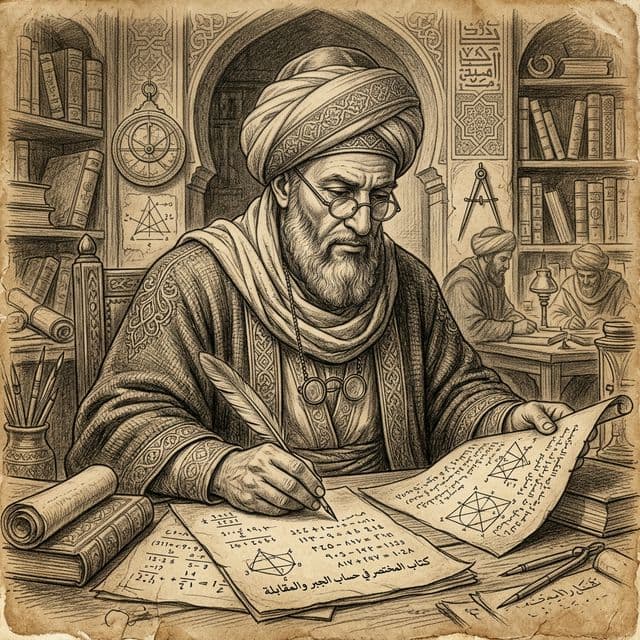
Al-Khwarizmi
A Persian polymath who produced vastly influential works in mathematics, astronomy, and geography. He is widely considered the father of algebra, and his name gave rise to the term 'algorithm'.
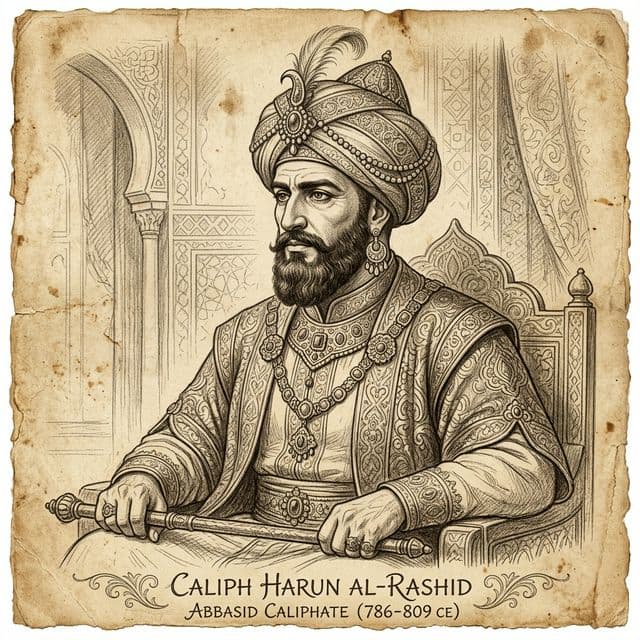
Harun al-Rashid
The fifth Abbasid Caliph, whose reign was marked by scientific, cultural, and religious prosperity. Islamic art and music flourished significantly during his reign, which later inspired the tales of the One Thousand and One Nights.
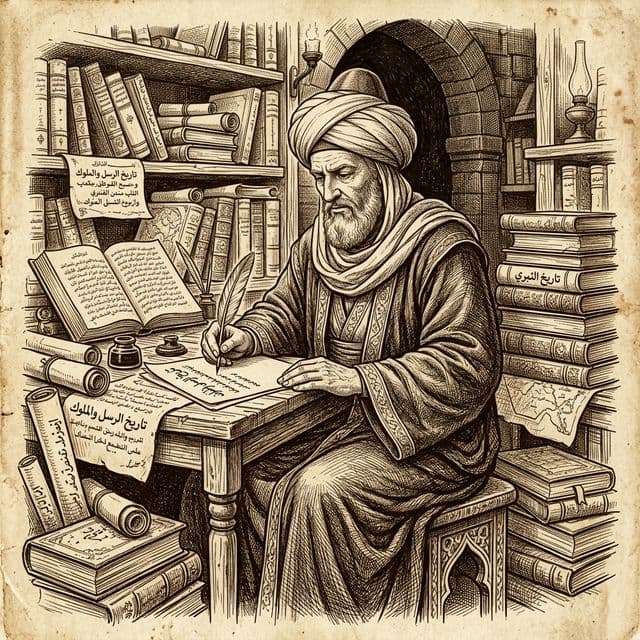
Al-Tabari
One of the most prominent Persian scholars, historians and exegetes of the Islamic Golden Age. He is best known for his monumental historical chronicle, 'History of the Prophets and Kings', and his comprehensive Qur'anic commentary.
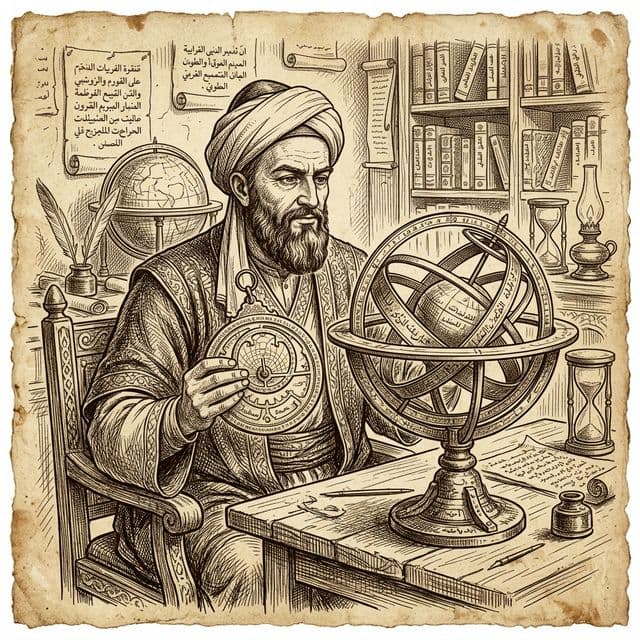
Al-Biruni
A brilliant scholar and astronomer known for his objective study of Indian culture and his remarkably accurate calculation of the Earth's radius. He authored over a hundred works spanning astronomy, mathematics, and geography.
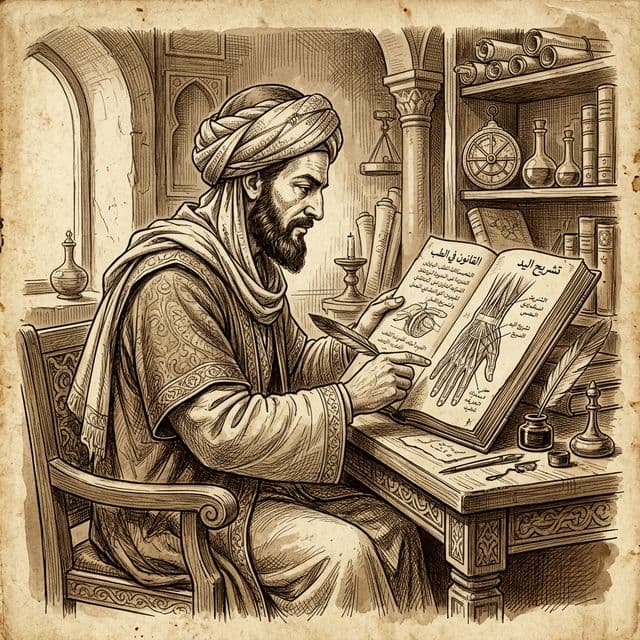
Ibn Sina (Avicenna)
A renowned polymath and physician whose 'Canon of Medicine' remained the standard medical text in Europe and the Islamic world for centuries. He made profound contributions to philosophy, literature, and science.
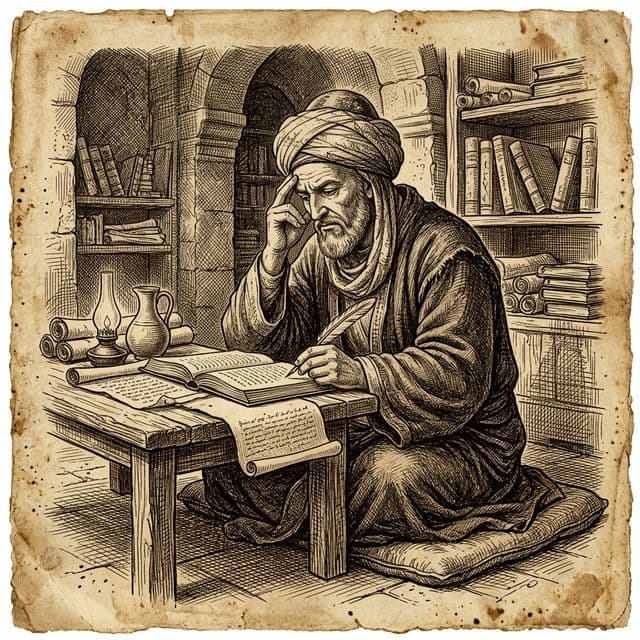
Al-Ghazali
An influential philosopher, theologian, and mystic whose works, such as 'The Incoherence of the Philosophers', profoundly shaped Islamic thought by reconciling orthodox theology with Sufism.