Ottoman Empire
The Grand Sultanate
A vast sultanate that bridged East and West, nurturing art, architecture, law, and trade across three continents for over six centuries.
Cultural Discovery
Suleiymaniye Mosque
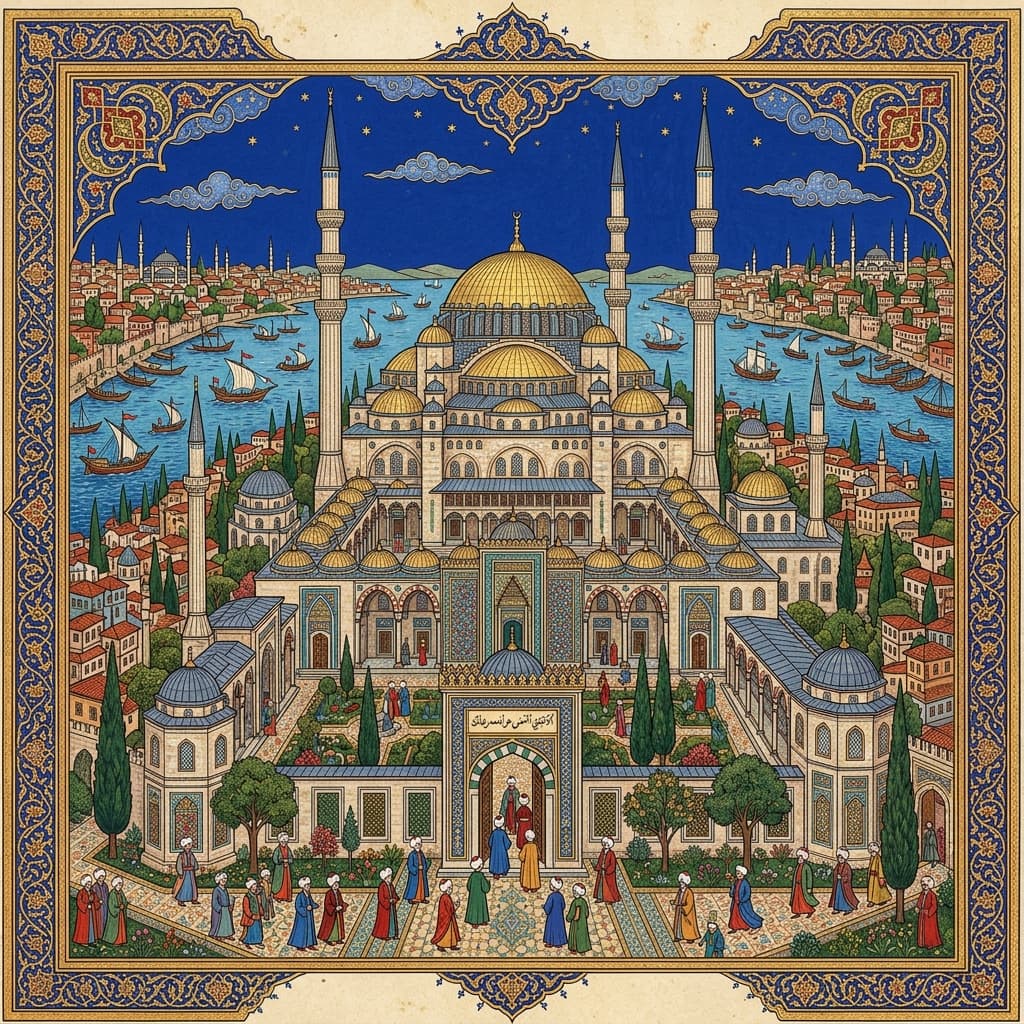
Suleiymaniye Mosque
Historical Figures
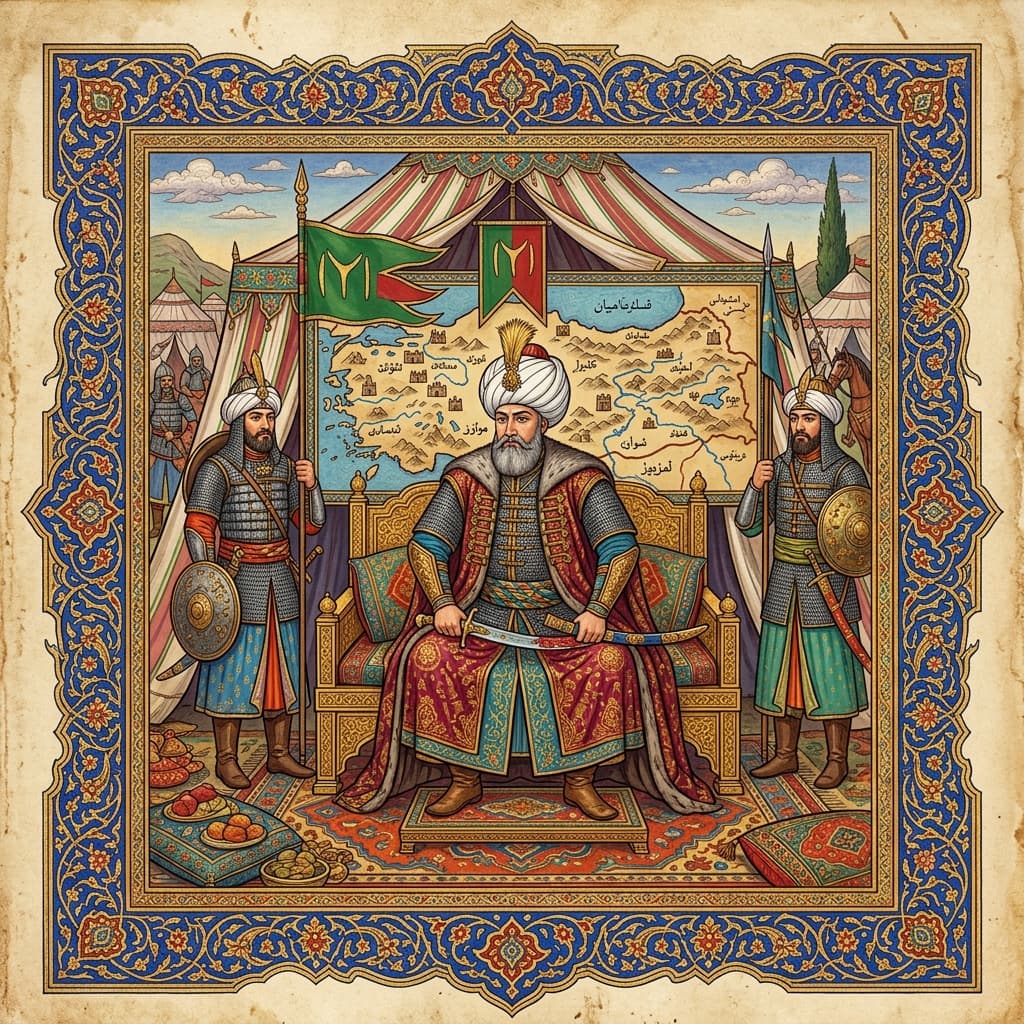
Osman I
The founder of the Ottoman dynasty, Osman I (c. 1258-1326) transformed a small Anatolian frontier principality into the nucleus of what would become one of history's greatest empires. Known for his political acumen, military skill, and sense of justice, he forged alliances with neighboring tribes and Byzantine border lords while steadily expanding his territory at the expense of the weakening Byzantine Empire.
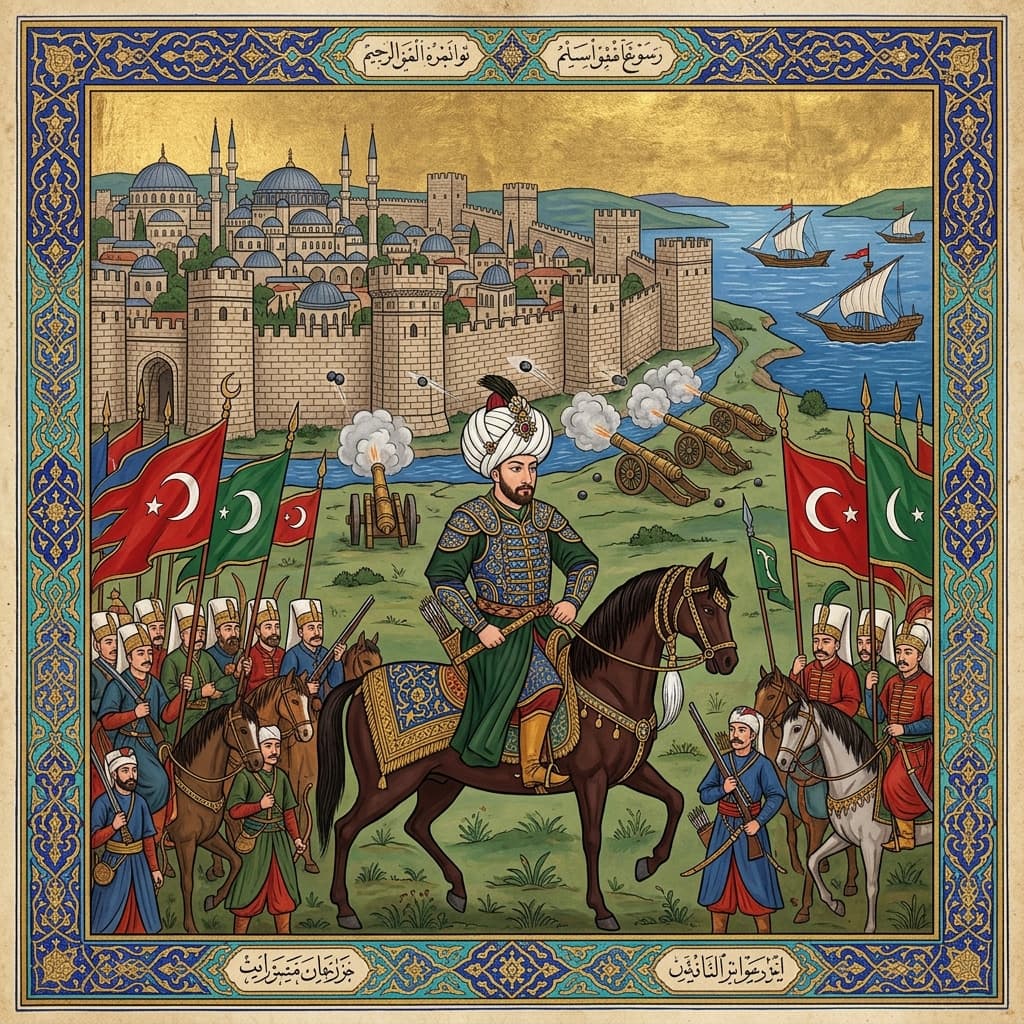
Mehmed II (Fatih)
Known as 'Fatih' (The Conqueror), Mehmed II transformed the Ottoman state from a Balkan-Anatolian sultanate into a true empire with the conquest of Constantinople in 1453. A polyglot who spoke multiple languages, he patronized artists and scholars, issued a law code reorganizing the empire, and envisioned Istanbul as a new center of world civilization.
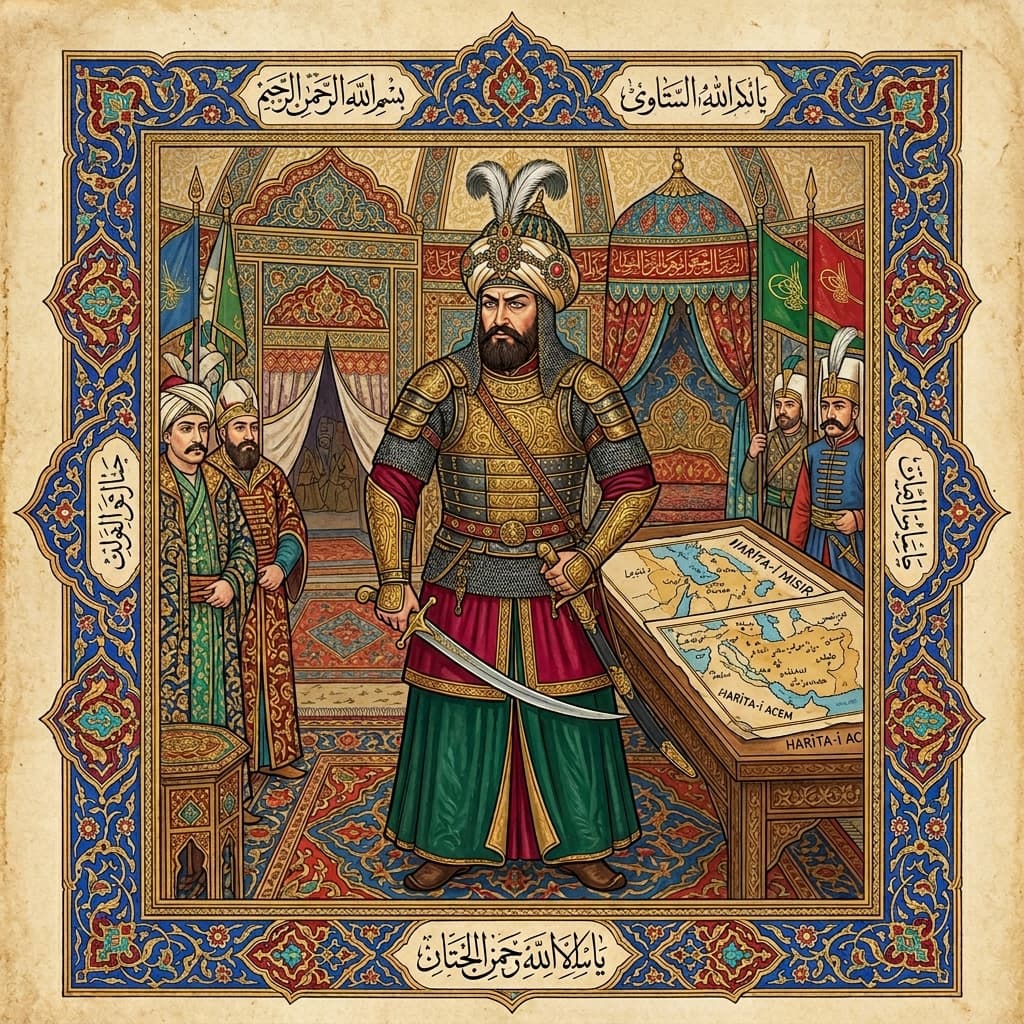
Selim I (Yavuz)
Known as 'Yavuz' (The Grim), Selim I (r. 1512-1520) dramatically expanded Ottoman power eastward and southward in a mere eight years. His victories at Chaldiran against the Safavids and Marj Dabiq against the Mamluks brought eastern Anatolia, Syria, Egypt, and the Hejaz under Ottoman rule, making the sultan the guardian of Mecca and Medina and the pre-eminent ruler of the Sunni Muslim world.
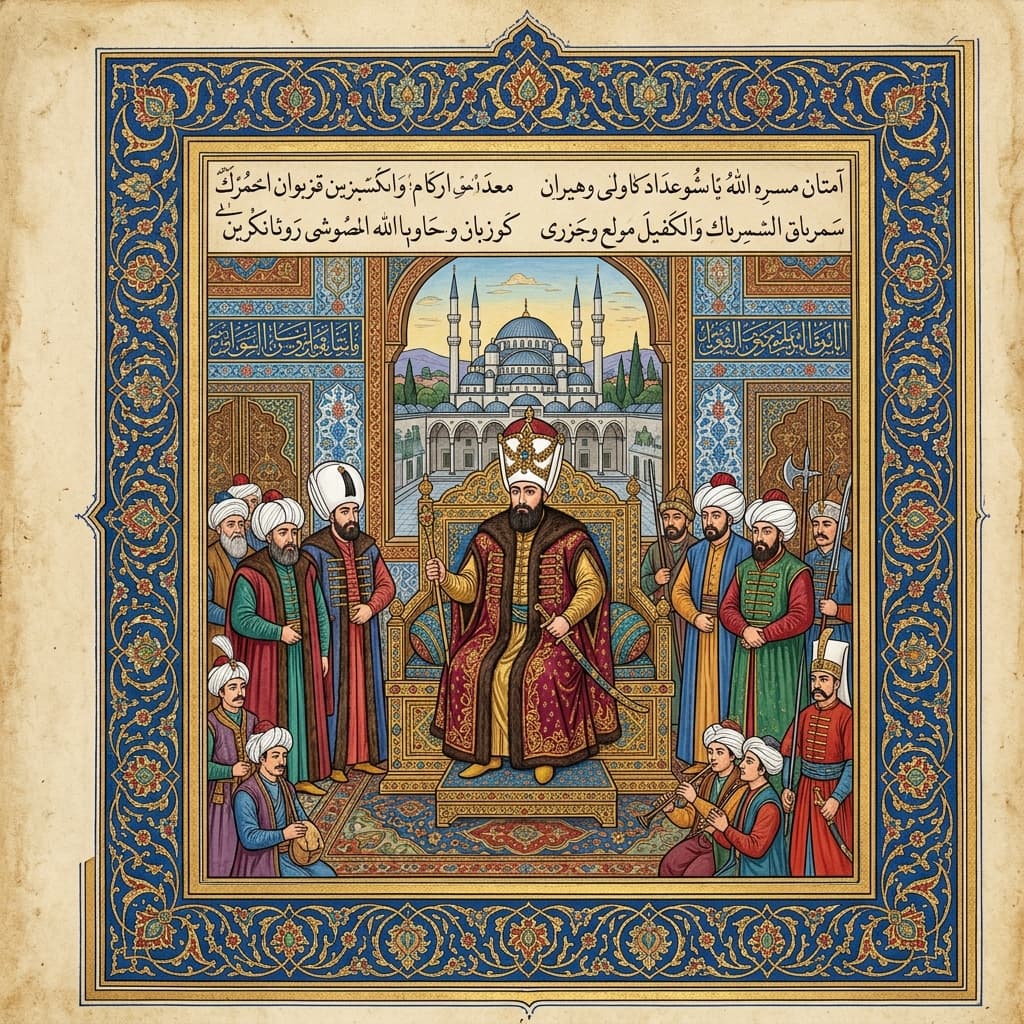
Suleiman the Magnificent
The longest-reigning Ottoman sultan (r. 1520-1566), Suleiman presided over the empire at the height of its power and cultural brilliance. Known in the West as 'The Magnificent' and to his own people as 'Kanuni' (The Lawgiver), he oversaw military campaigns that brought Hungary into the empire, codified Ottoman law, and patronized an extraordinary flowering of art and architecture.
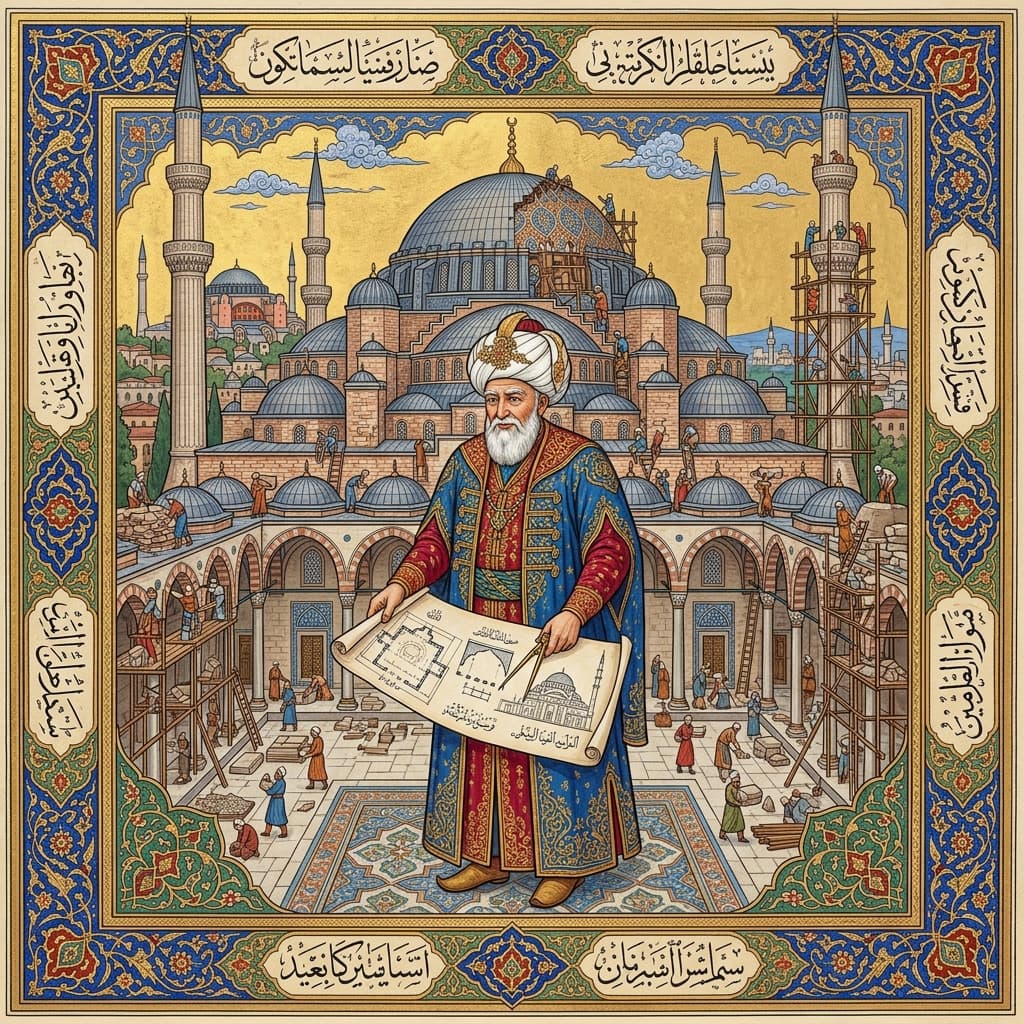
Mimar Sinan
The chief imperial architect (mimar) under sultans Suleiman, Selim II, and Murad III, Sinan is widely considered the greatest architect of the Ottoman Empire and one of the masters of world architecture. Over a career spanning six decades, he designed or supervised over 370 structures — mosques, madrasas, bridges, aqueducts, palaces, and caravanserais — that defined the Ottoman built environment.
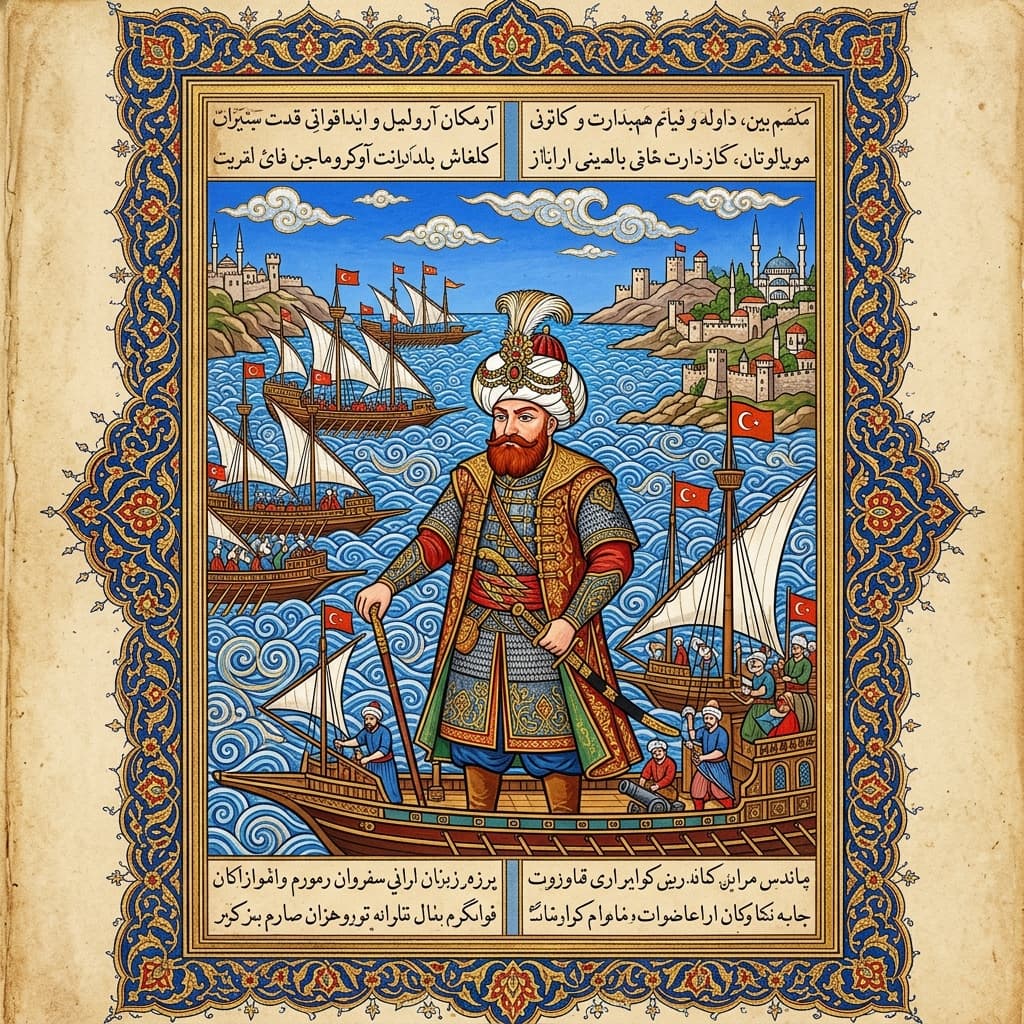
Barbaros Hayreddin Pasha
Born on the Aegean island of Lesbos, Hayreddin Barbarossa rose from a privateer operating along the North African coast to become the Grand Admiral (Kapudan-i Derya) of the entire Ottoman fleet. His victory at the Battle of Preveza (1538) over a combined Christian armada secured Ottoman dominance of the Mediterranean for decades and established him as the greatest naval commander of the 16th century.