Rashidun Caliphate
The Rightly Guided
The era of the four Rightly Guided Caliphs who succeeded the Prophet Muhammad and shaped the foundations of Islamic civilization.
Cultural Discovery
Compilation of the Quran
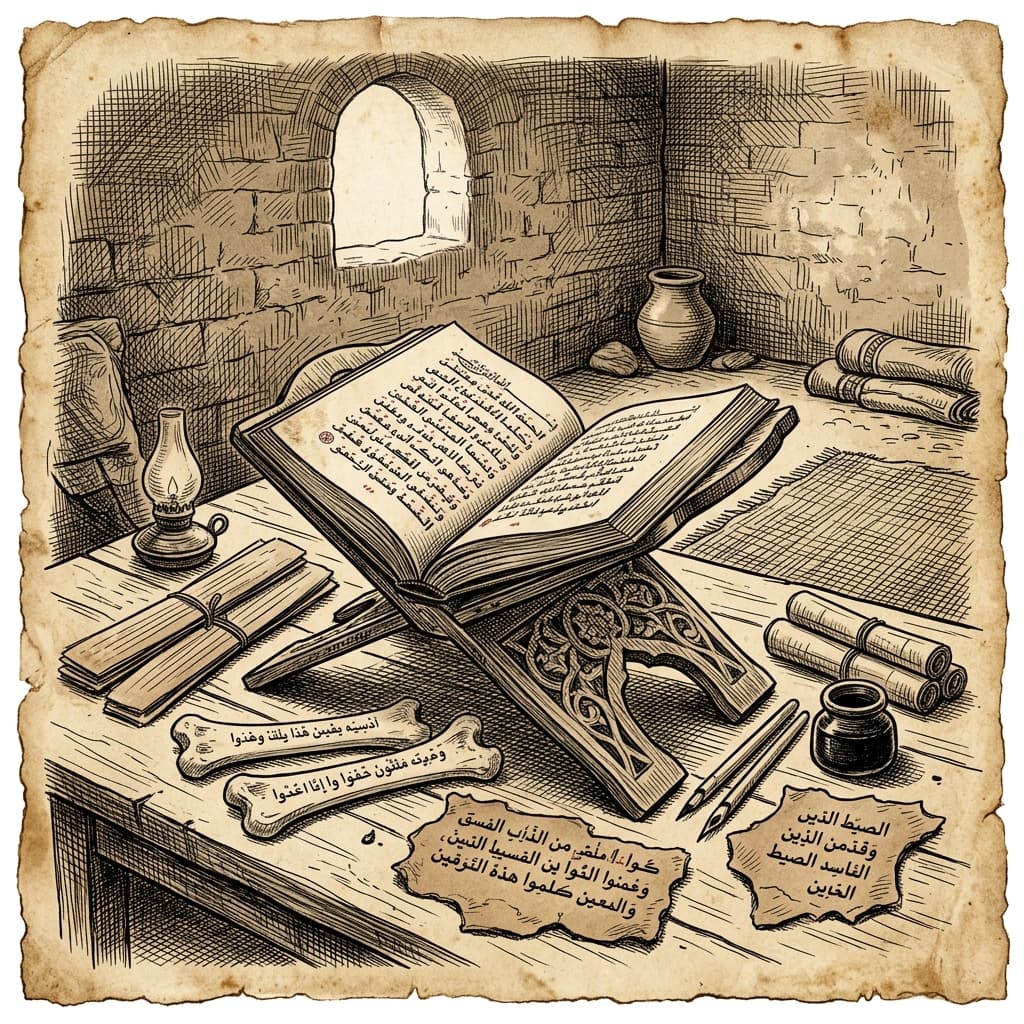
Compilation of the Quran
Historical Figures
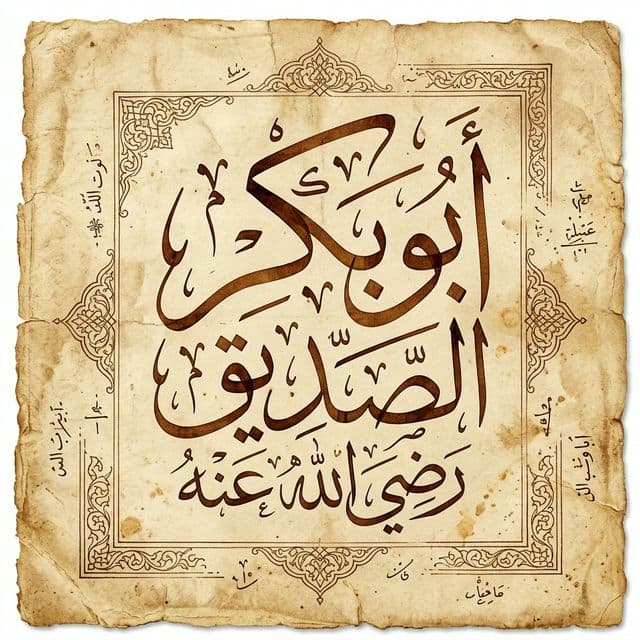
Abu Bakr al-Siddiq
The first Rashidun Caliph and one of the closest companions of the Prophet Muhammad. He unified Arabia after the Ridda Wars and launched the initial campaigns that would become the great Muslim conquests.
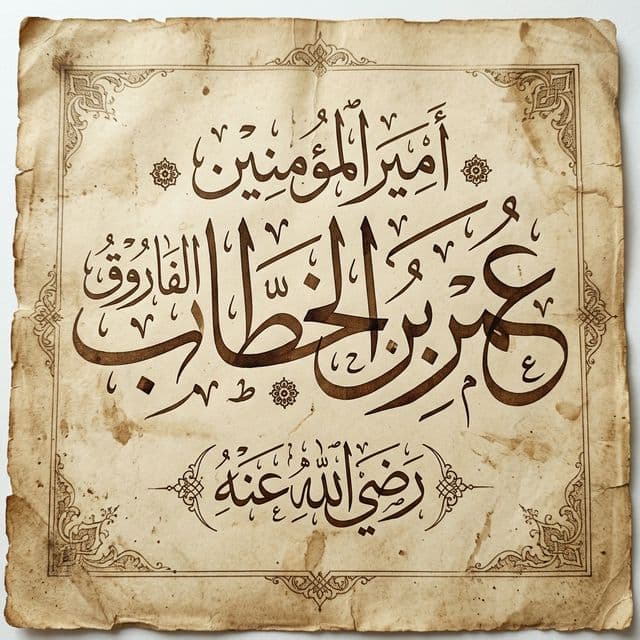
Umar ibn al-Khattab
The second Rashidun Caliph, renowned as one of the most powerful and influential Muslim rulers in history. Under his leadership, the caliphate expanded enormously, and he established foundational institutions of Islamic governance.
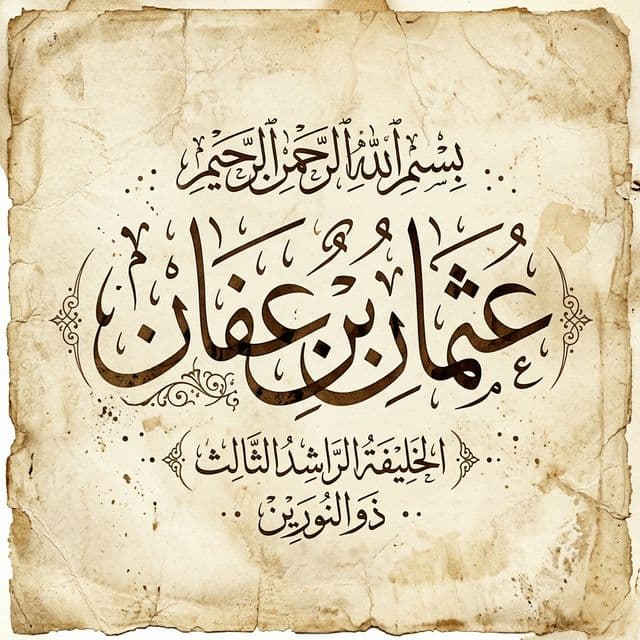
Uthman ibn Affan
The third Rashidun Caliph, who commissioned the standardized compilation of the Quran. His reign saw continued expansion and the development of the first Muslim navy, though it ended in civil strife.
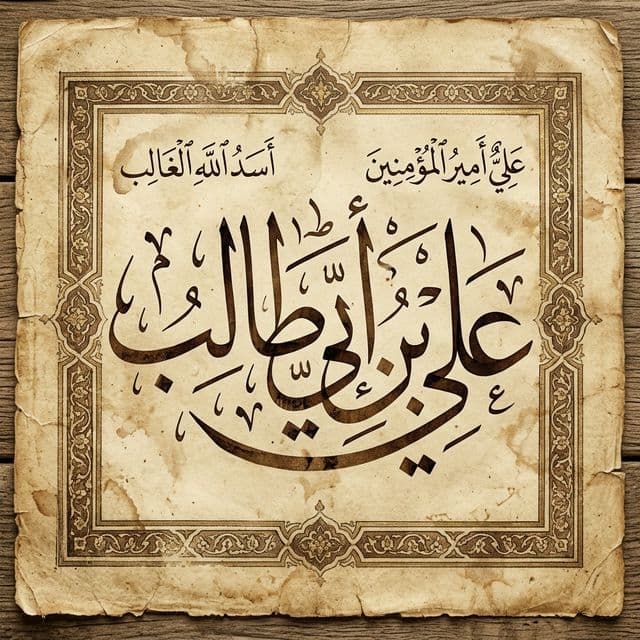
Ali ibn Abi Talib
The fourth Rashidun Caliph, cousin and son-in-law of the Prophet Muhammad. Renowned for his profound knowledge, piety, and eloquence, he is a central figure in both Sunni and Shia Islam.
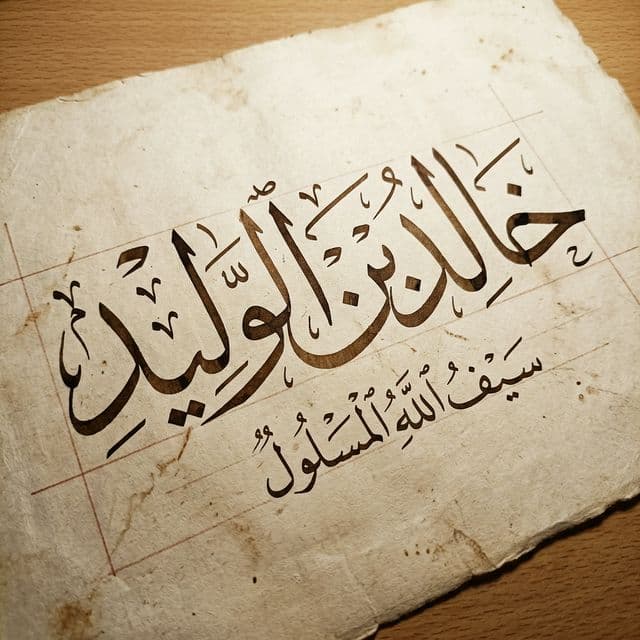
Khalid ibn al-Walid
One of the greatest military commanders in history, known as 'Saifullah' (Sword of God). He never lost a battle, leading Muslim armies to decisive victories against the Byzantine and Sassanid empires.
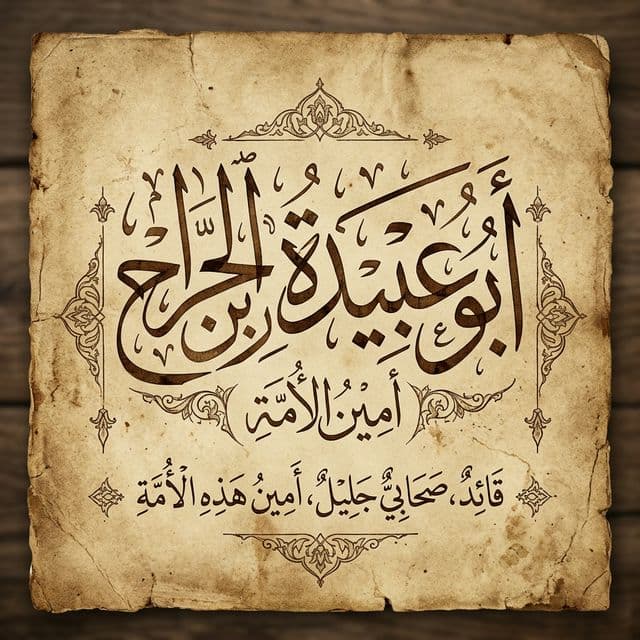
Abu Ubayda ibn al-Jarrah
A senior companion of the Prophet Muhammad and the supreme commander of the Muslim armies in Syria. Known for his humility and trustworthiness, he was called 'the Trustee of this Ummah' by the Prophet.