Umayyad Caliphate
The Expanding Realm
The first great dynastic caliphate, stretching from the Iberian Peninsula to the Indus Valley — unifying diverse peoples under Arab governance and leaving an enduring mark on Islamic architecture, coinage, and culture.
Cultural Discovery
Dome of the Rock
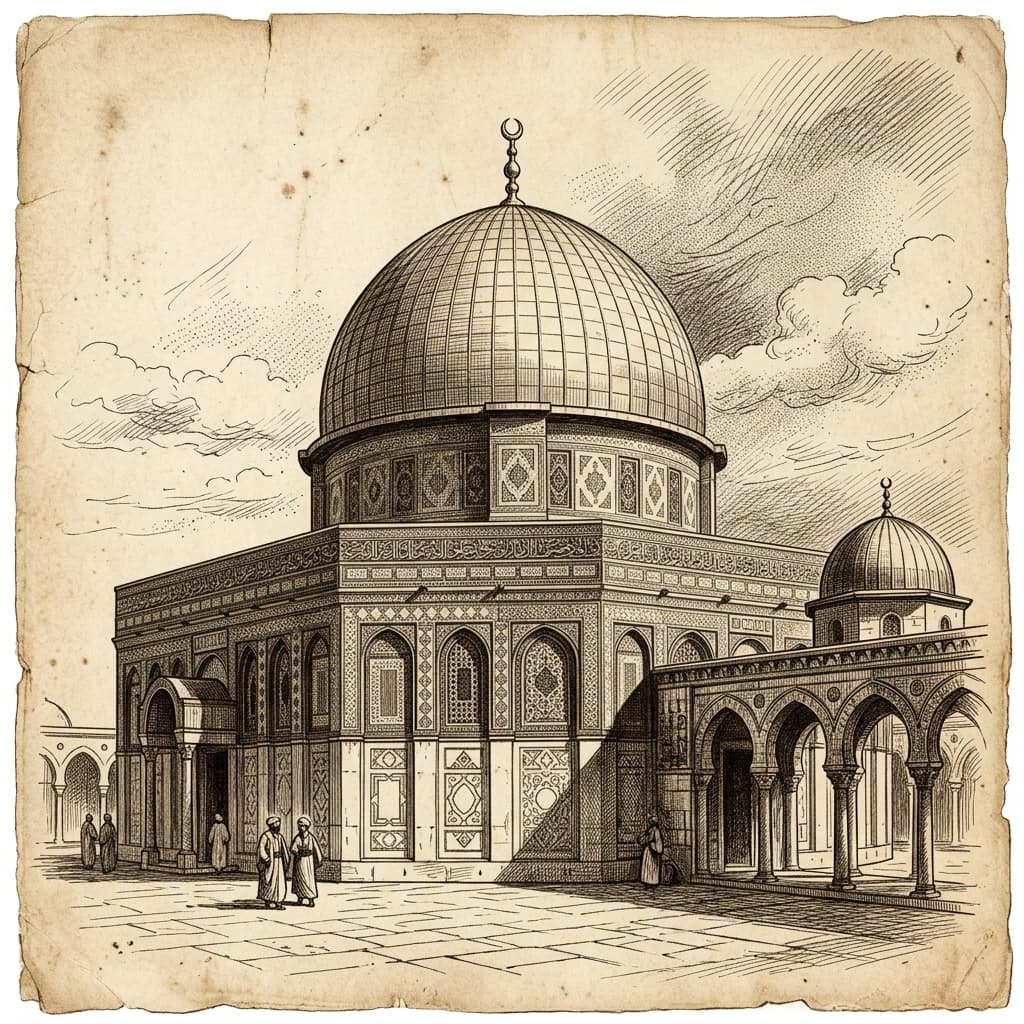
Dome of the Rock
Historical Figures
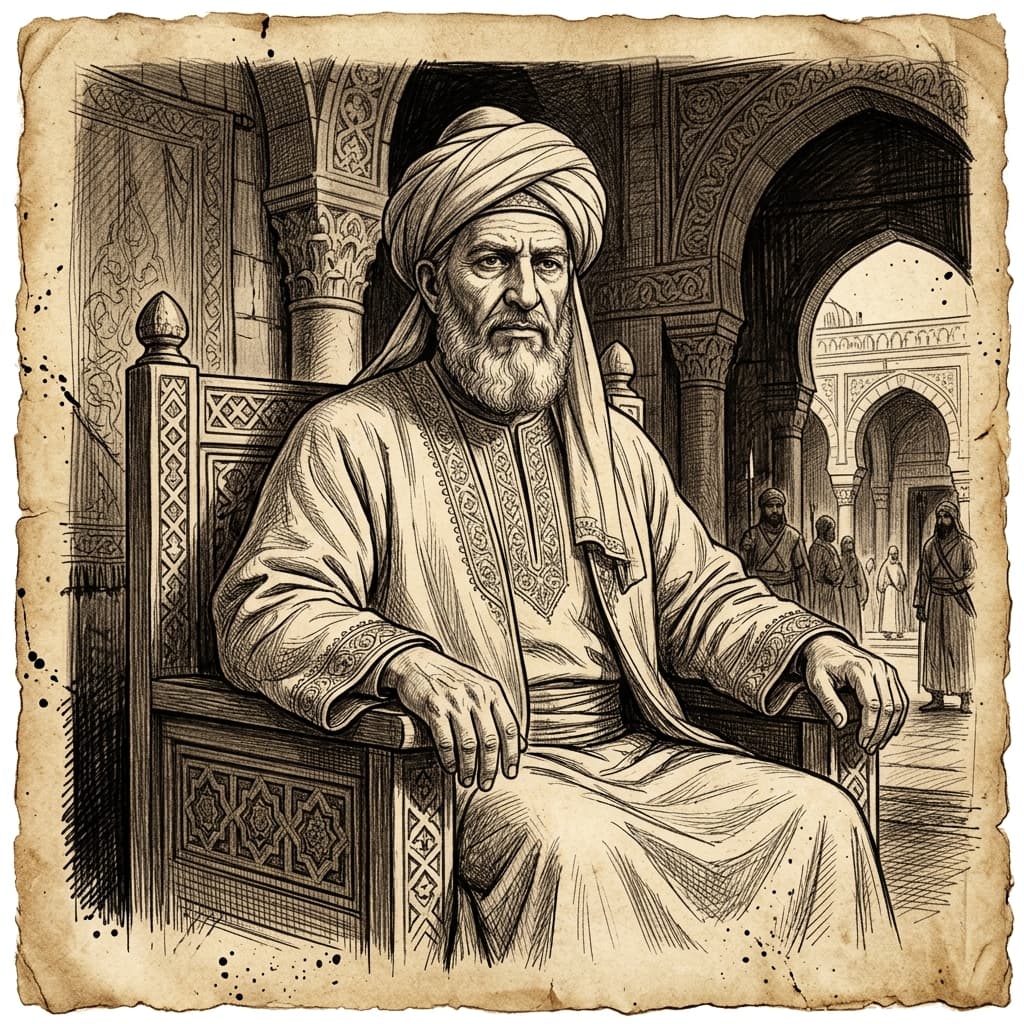
Muawiya I
The founder of the Umayyad Caliphate, Muawiya ibn Abi Sufyan (602–680 CE) established the first hereditary Muslim dynasty and transformed the caliphate from an elective institution into a monarchical one. A skilled statesman and diplomat who had served as governor of Syria under the Rashidun caliphs, he built a powerful administrative and military machine centered on Damascus. Muawiya's long reign (661–680 CE) was characterized by political pragmatism, economic development, and the first major Arab naval expansion in the Mediterranean. Though his seizure of power following the death of Ali ibn Abi Talib led to the foundational Sunni-Shia split in Islam, he governed his vast territories with considerable effectiveness and restraint. His establishment of Damascus as the imperial capital opened the caliphate to profound Byzantine cultural influences, and his creation of durable administrative structures — borrowing from both Roman and Persian models — gave the Umayyad state its remarkable organizational capacity.
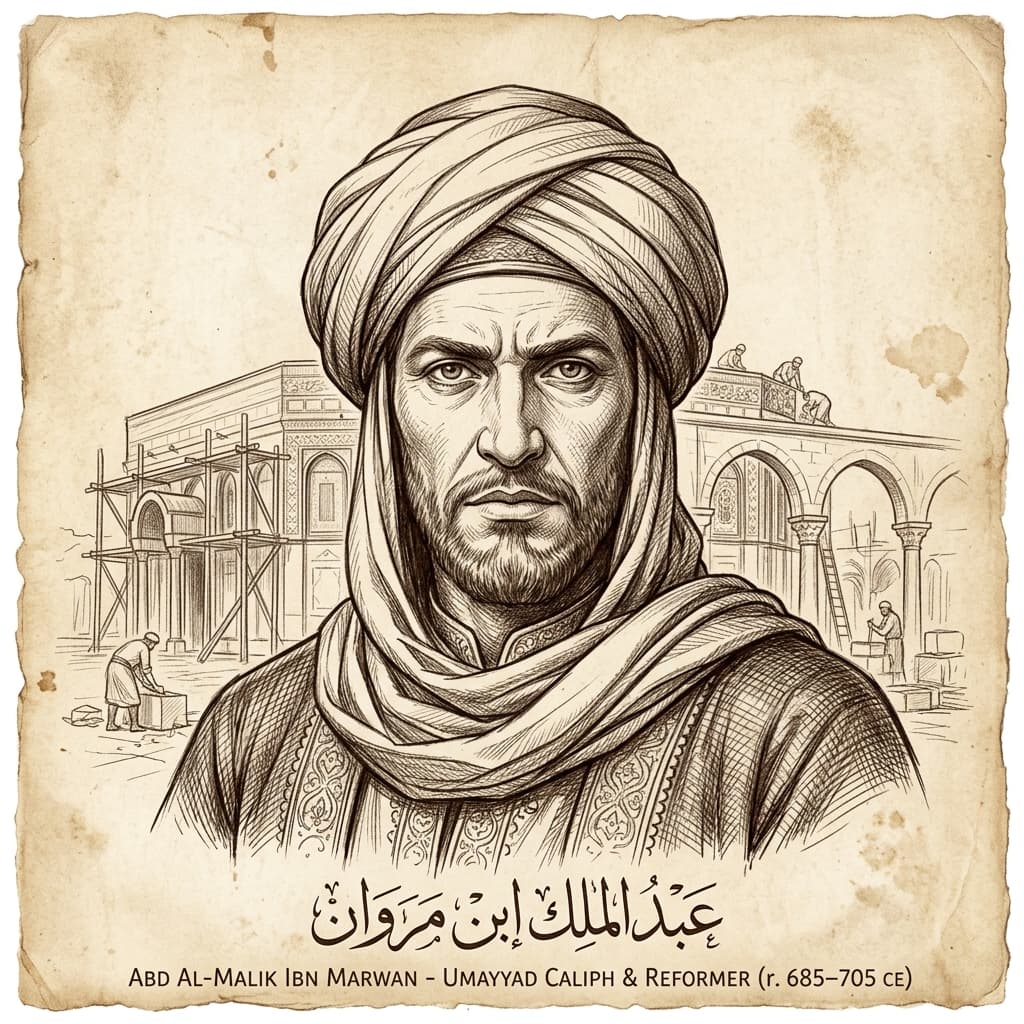
Abd al-Malik ibn Marwan
The fifth Umayyad caliph, Abd al-Malik ibn Marwan (646–705 CE), is considered the true architect of the Umayyad state. Inheriting a caliphate torn by civil war, he reunified the empire through military force, then transformed it through a sweeping program of administrative and cultural reform. His most enduring achievements were the Arabization of the imperial bureaucracy — replacing Greek and Pahlavi with Arabic — and the creation of the first purely Islamic coinage system. He also commissioned the Dome of the Rock in Jerusalem (691 CE), one of the masterpieces of world architecture. Abd al-Malik's centralizing reforms gave the Umayyad state unprecedented institutional coherence. Under his rule, the caliphate became not merely a military empire but a self-consciously Islamic civilization with its own administrative language, currency, and monumental art.
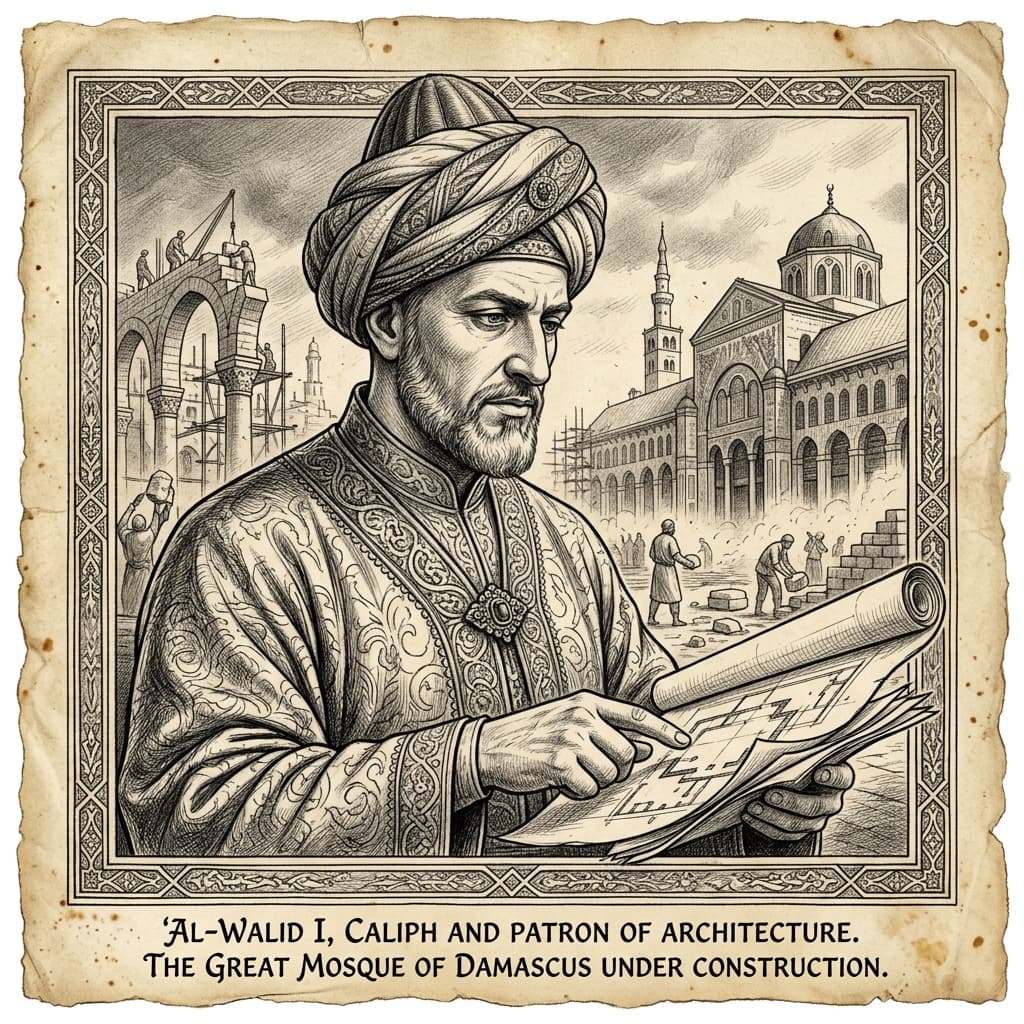
Al-Walid I
The sixth Umayyad caliph, al-Walid ibn Abd al-Malik (668–715 CE), presided over the widest territorial expansion in Umayyad history and was one of the great builders of the early Islamic world. During his reign (705–715 CE), Muslim armies conquered Al-Andalus in the west and Central Asia in the east, reaching the maximum geographic extent of the empire. Al-Walid was a passionate patron of architecture. He commissioned the Great Mosque of Damascus — the first great congregational mosque of the Islamic world — as well as the expansion and rebuilding of the Prophet's Mosque in Medina and the Al-Aqsa Mosque in Jerusalem. His building program set the architectural vocabulary for Islamic sacred space. His reign also saw the development of road infrastructure, hospitals (reportedly among the first publicly funded hospitals in history), and welfare provisions for the disabled — evidence of an imperial administration capable of organizing resources across an enormous territory for public benefit.
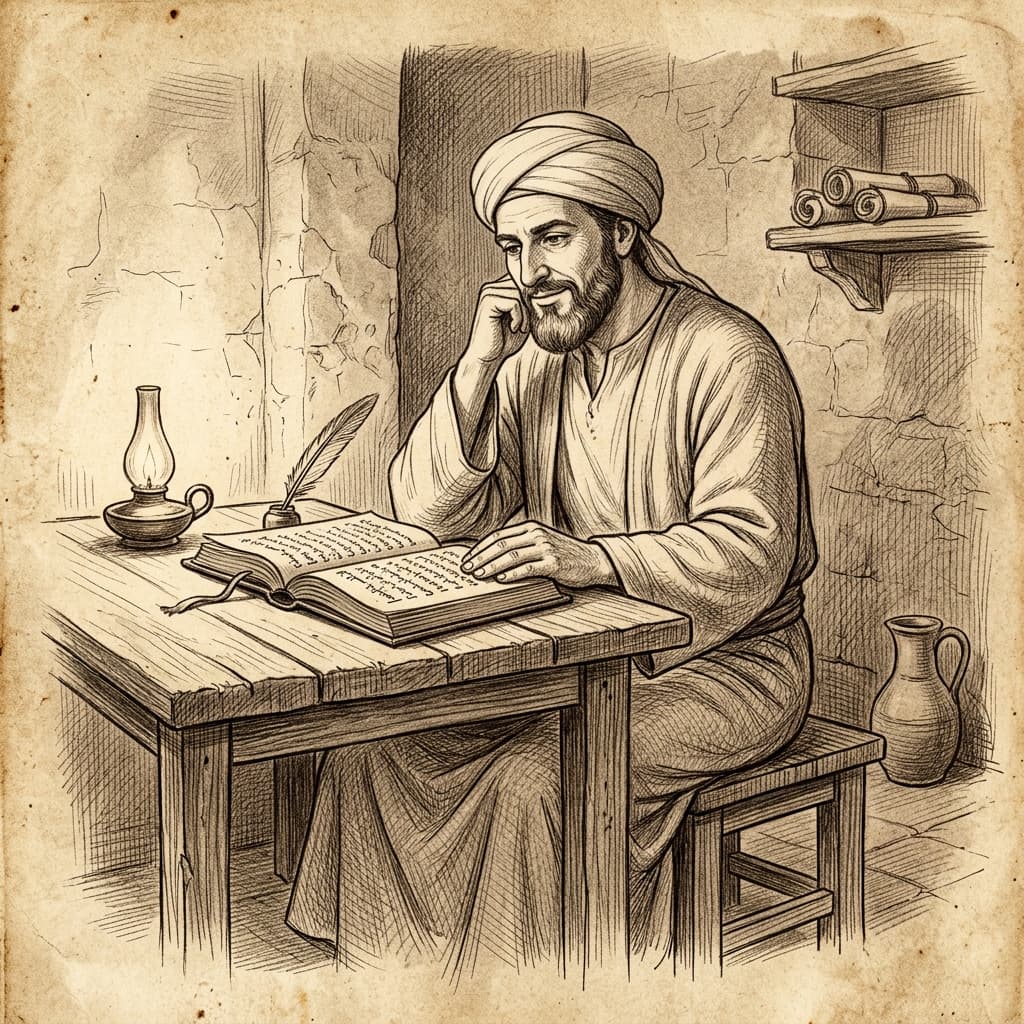
Umar ibn Abd al-Aziz
Known as Umar II, this eighth Umayyad caliph (682–720 CE) stands apart from his dynasty as a ruler revered across the Muslim world for his piety, justice, and reform. Though his reign lasted only two years (717–720 CE), he left a deep impression on Islamic political thought as a model of the just ruler. Umar II reversed several controversial Umayyad policies: he ended the ritual cursing of Ali ibn Abi Talib in Friday prayers, reduced oppressive taxation on non-Arab Muslims (mawali), expanded access to the spoils of conquest to all believers regardless of ethnicity, and attempted to bring state practices in line with Qur'anic principles. His reforms challenged the ethnic hierarchies embedded in Umayyad governance and anticipated the social changes that would eventually fuel the Abbasid Revolution. He is the only Umayyad caliph to whom later Islamic scholars accorded the honorific of a 'rightly-guided' ruler, placing him in a category otherwise reserved for the first four caliphs.
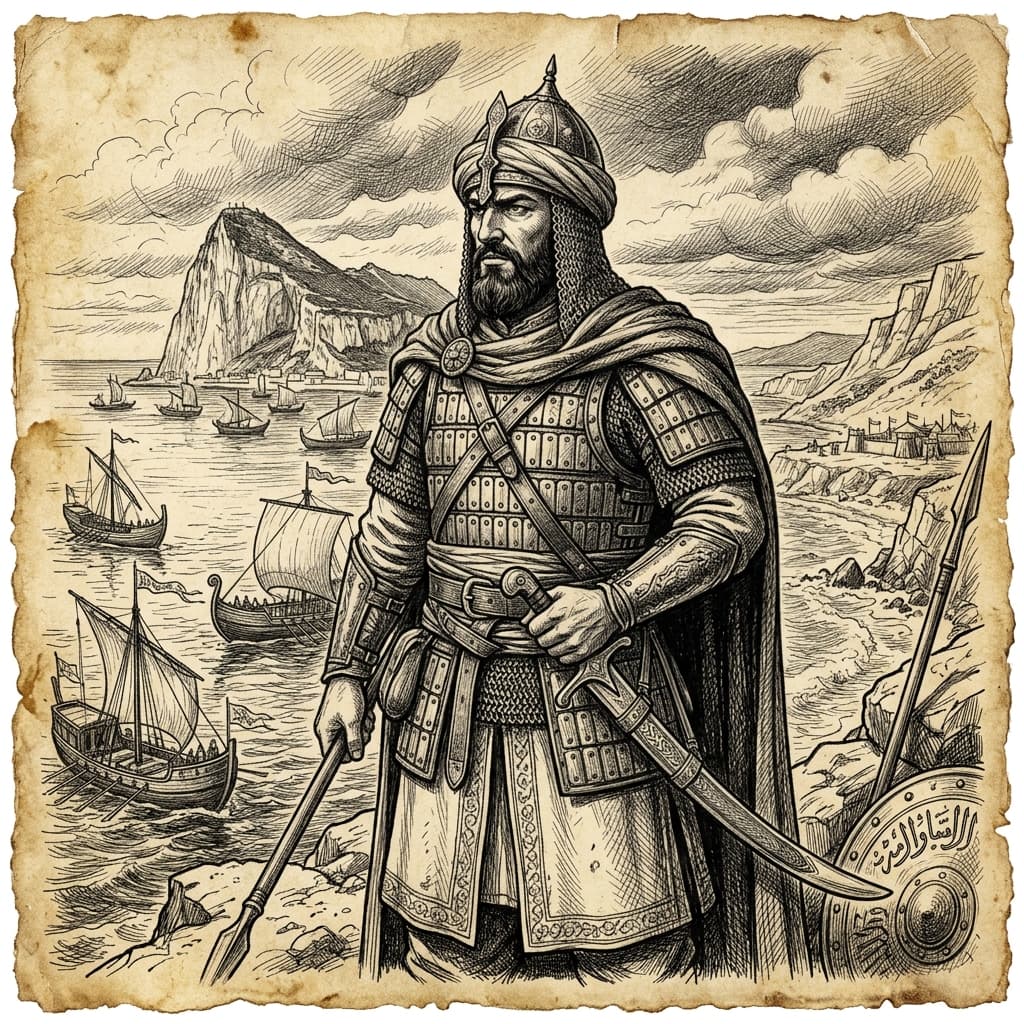
Tariq ibn Ziyad
The Berber general Tariq ibn Ziyad (c. 670–720 CE) led one of the most consequential military campaigns in world history: the 711 CE crossing of the Strait of Gibraltar and the conquest of Visigothic Iberia that founded Al-Andalus. The rock at the strait's crossing point, Jabal Tariq, bears his name to this day as 'Gibraltar.' With an army of around 7,000 Berber and Arab soldiers, Tariq defeated the Visigothic King Roderic at the Battle of Guadalete, then moved rapidly through the peninsula, taking Toledo, Córdoba, and other major cities before Governor Musa ibn Nusayr arrived with reinforcements. Within two years, most of the Iberian Peninsula was under Umayyad control. Tariq's campaign opened a new chapter in Islamic history, establishing the westernmost outpost of Muslim civilization and creating conditions for one of the most culturally productive multicultural societies of the medieval world — the Andalusian civilization that would flourish for seven centuries.
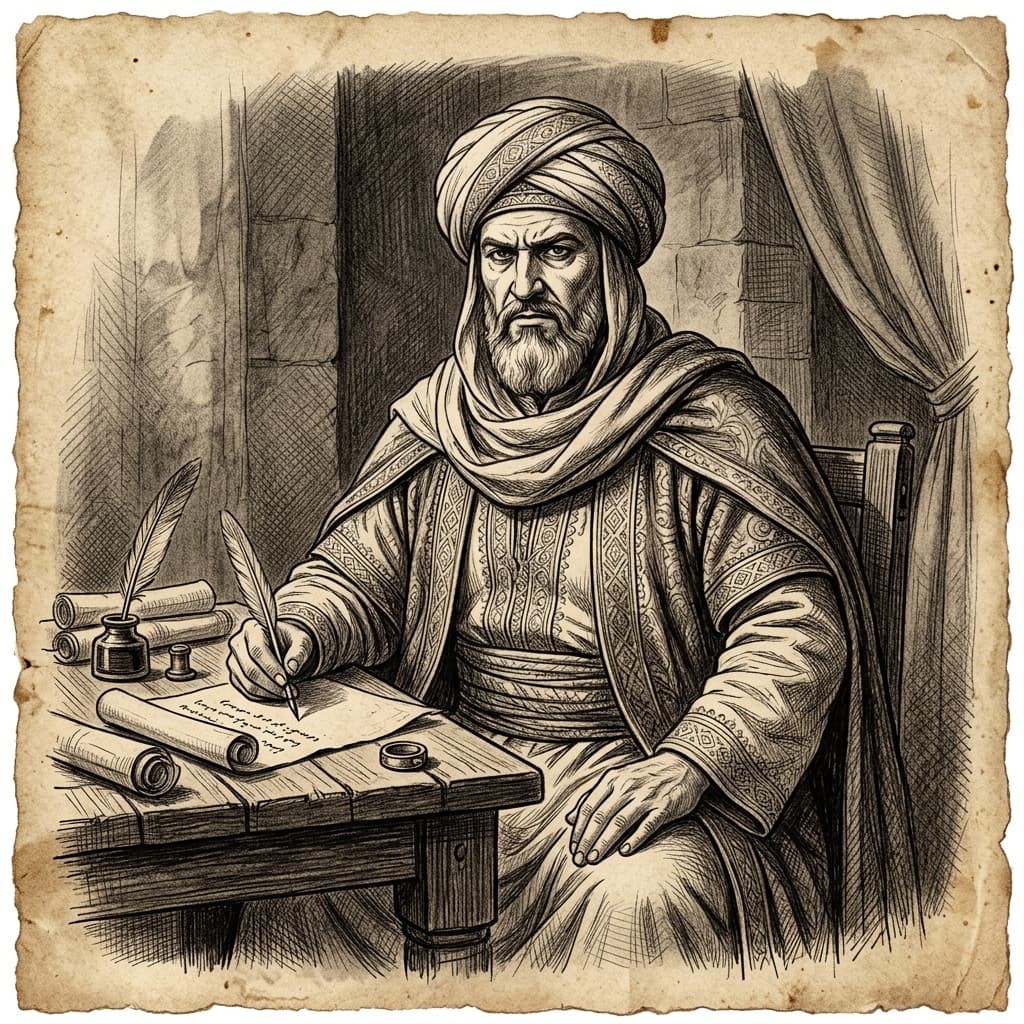
Al-Hajjaj ibn Yusuf
Al-Hajjaj ibn Yusuf al-Thaqafi (661–714 CE) was the most powerful and feared administrator in Umayyad history. Serving as governor of Iraq and the eastern provinces under Caliphs Abd al-Malik and al-Walid I, he crushed multiple rebellions, restored Umayyad authority over the fractious east, and transformed Iraq into the economic engine of the empire. A man of extraordinary administrative ability and pitiless ruthlessness, al-Hajjaj reorganized the eastern provincial bureaucracy, standardized weights and measures, improved irrigation infrastructure, and implemented the Arabization reforms of Abd al-Malik in the east. He also commissioned the diacritical marks (tashkil) added to the Arabic script to enable accurate Qur'anic recitation — a lasting contribution to written Arabic. His legacy is deeply ambivalent in Islamic tradition: celebrated for his organizational genius and his role in stabilizing a turbulent empire, condemned for his harsh suppression of political and religious opposition. He remains one of the most complex and consequential figures of the Umayyad era.