Introduction
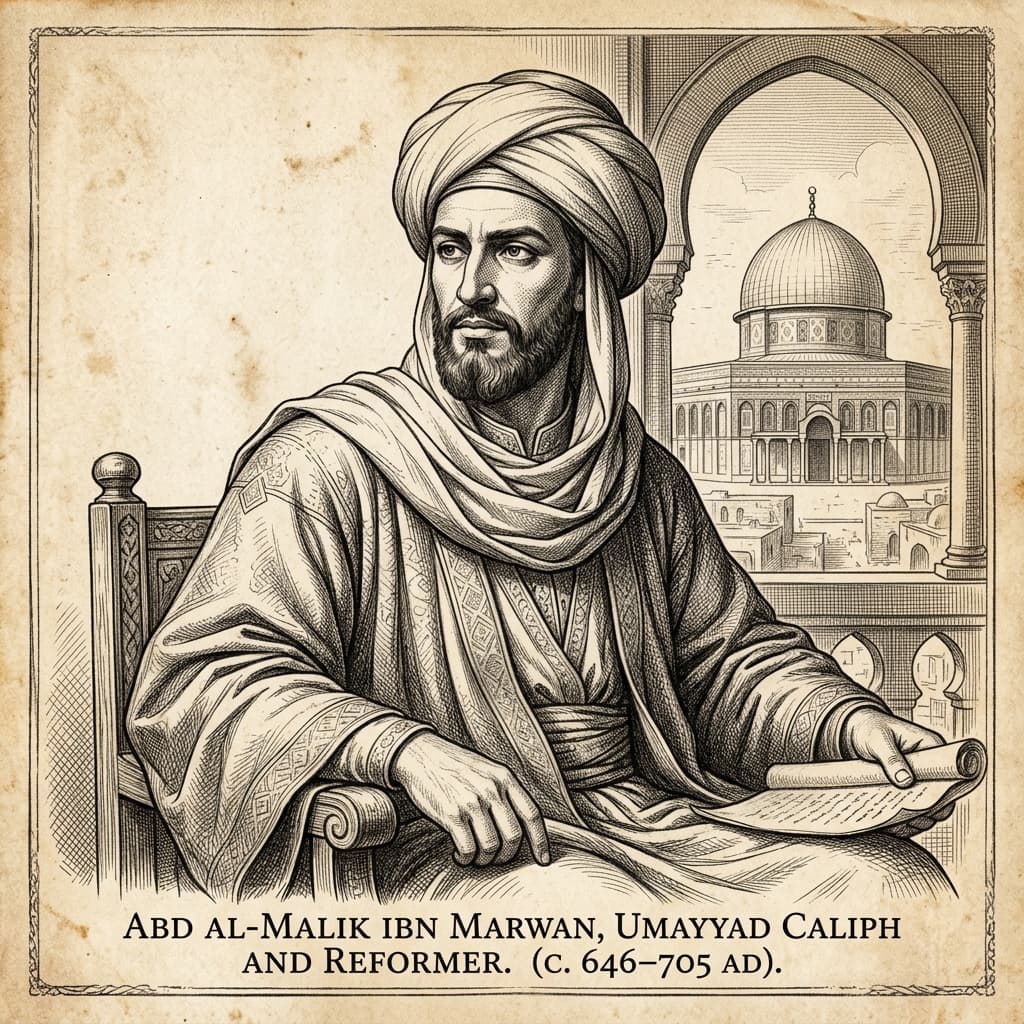
Abd al-Malik ibn Marwan (646–705 CE) is considered the true architect of the Umayyad state. The fifth Umayyad caliph, he inherited a caliphate fractured by civil war and transformed it through a decade of military reconquest and sweeping administrative reform into the most powerful state in the world.
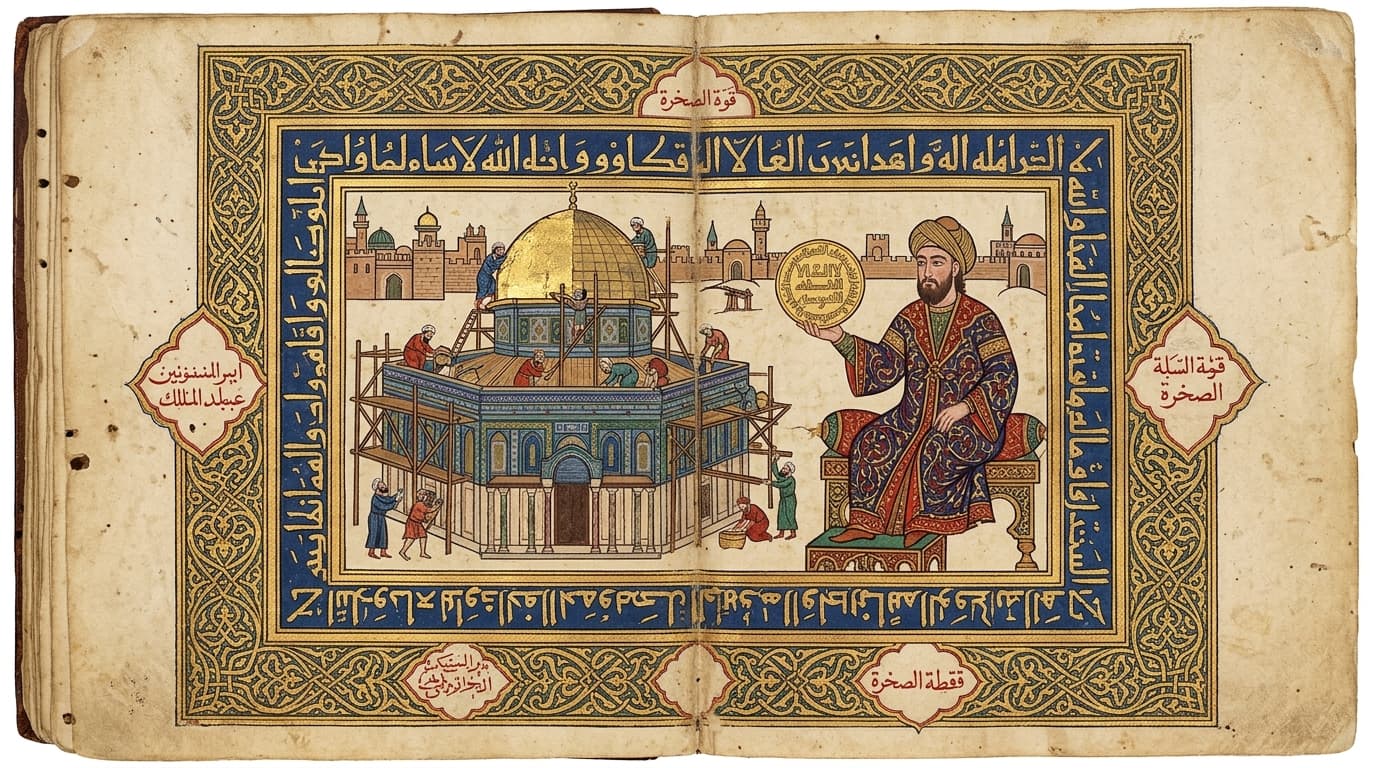
His reforming program — Arabizing the bureaucracy, creating a distinctive Islamic coinage, building the Dome of the Rock — gave the Umayyad Empire the institutional coherence and cultural identity it had previously lacked.
Early Life
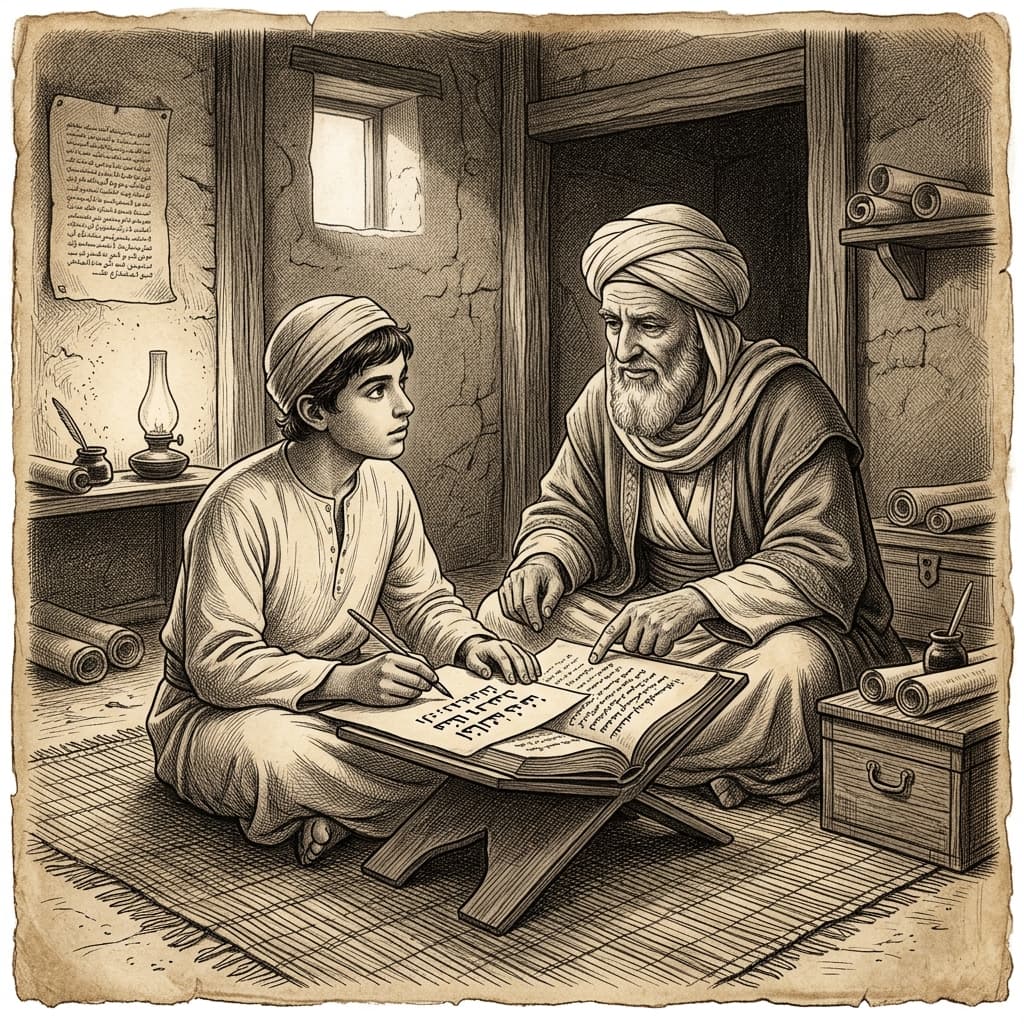
Born in 646 CE in Medina, Abd al-Malik was the son of Caliph Marwan I and received a thorough education in Islamic scholarship, earning a reputation as a learned jurist before political circumstances drew him toward power. He was known in Medina as a pious scholar before his father's unexpected rise to the caliphate.
He spent the first years of his caliphate (685–692 CE) fighting to reunify an empire torn apart by the Second Fitna. His campaigns against the rival caliph Abd Allah ibn al-Zubayr in the Hejaz, culminating in the siege of Mecca and the death of Ibn al-Zubayr, reunited the caliphate under Umayyad rule.
Contributions
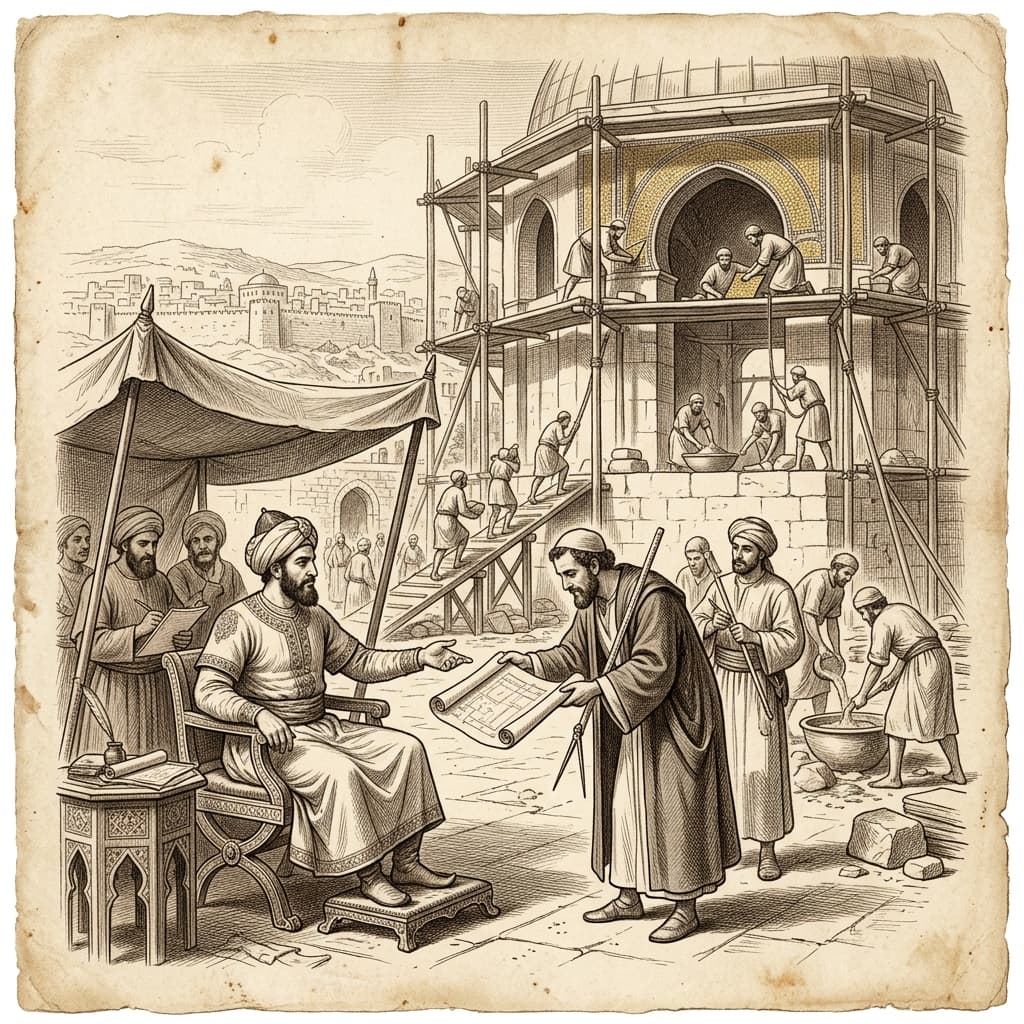
Abd al-Malik's administrative reforms were transformational. His decision to replace Greek and Pahlavi with Arabic as the sole administrative language of the empire — implemented progressively from the 690s — accelerated the Arabization of conquered populations and created the linguistic unity that defines the Arab world today.
His monetary reform of 696–697 CE created the first purely Islamic coinage: gold dinars and silver dirhams bearing only Quranic inscriptions and the declaration of faith, free of human imagery. This broke decisively with the portrait coinage traditions of Byzantium and Persia. His commissioning of the Dome of the Rock (completed 691 CE) produced the first great monument of Islamic architecture.
Legacy
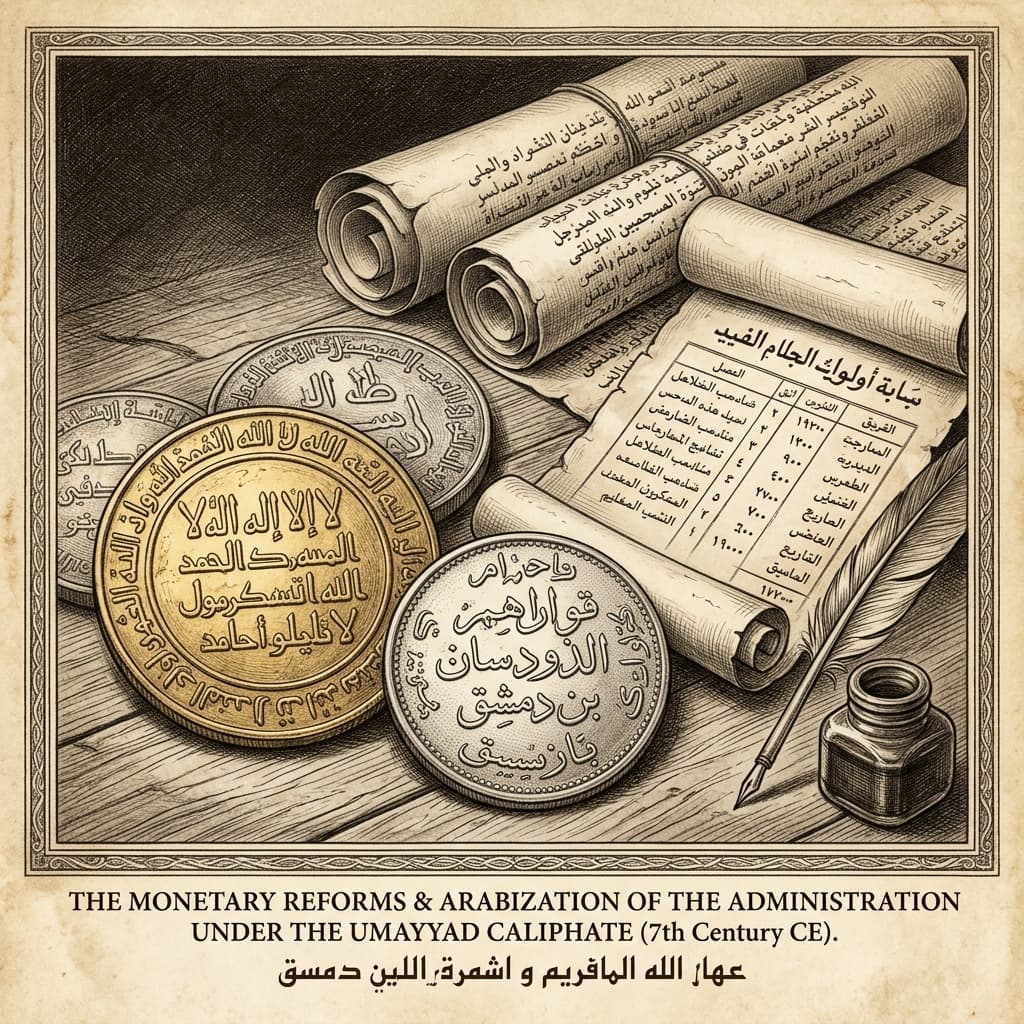
Abd al-Malik's reforms gave the Umayyad Caliphate the institutional infrastructure of a mature state: a unified administrative language, a standardized currency, and a distinctively Islamic monumental art. These were not cosmetic changes but structural transformations that defined the character of Islamic civilization.
His Arabization policy, his coinage reform, and his architectural patronage all had consequences that far outlasted the Umayyad dynasty itself. The Arabic language, the epigraphic coinage style, and the architectural vocabulary he established at the Dome of the Rock remained foundational elements of Islamic civilization for over a millennium.