
Introduction

Abu Bakr al-Siddiq was the first caliph of the Rashidun period and one of the closest companions of the Prophet Muhammad. His leadership in the immediate aftermath of the Prophet's death preserved the unity and stability of the Muslim community.
His caliphate established the foundations of state leadership, consultation, and communal responsibility that shaped early Islamic governance.
Early Life
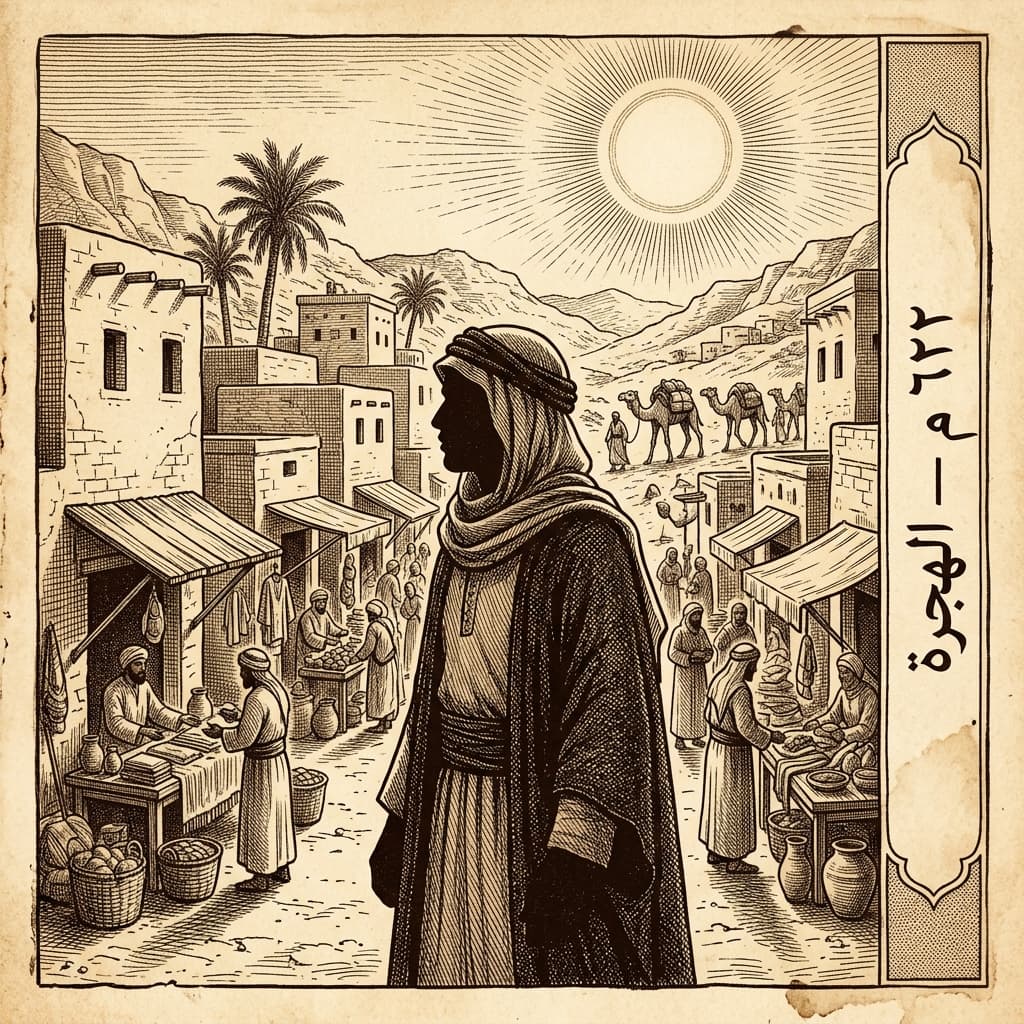
Born in Mecca around 573 CE, Abu Bakr came from the Quraysh tribe and was known for his integrity, gentle character, and wisdom even before Islam. He was among the earliest converts and became one of the Prophet's most trusted allies.
He played a central role in supporting the early Muslim community through persecution, migration, and state formation in Medina.
Contributions
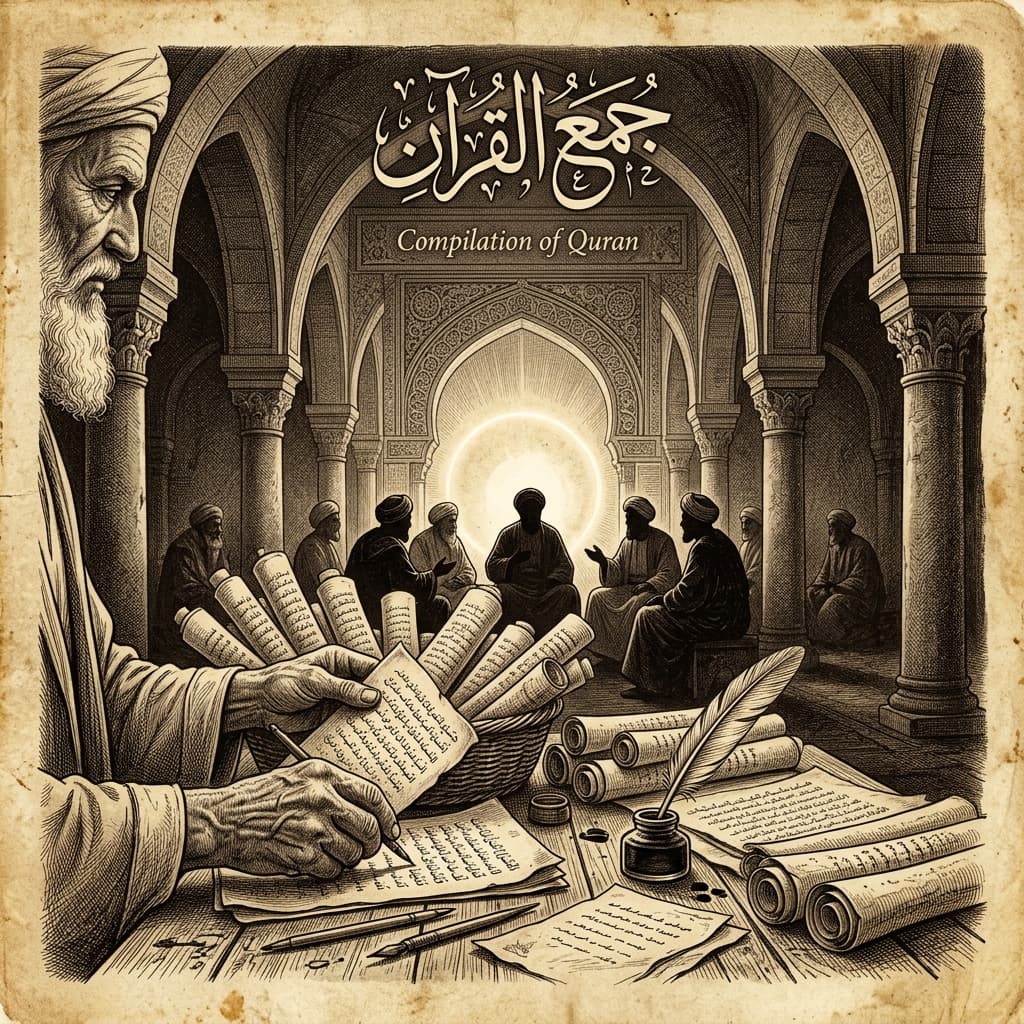
As caliph, Abu Bakr led the Ridda Wars to reunify Arabia and prevent political fragmentation. He also initiated the first formal compilation of the Quran after many memorizers were killed in battle.
His decisions secured the continuity of both the faith community and the emerging state at a critical historical moment.
Legacy
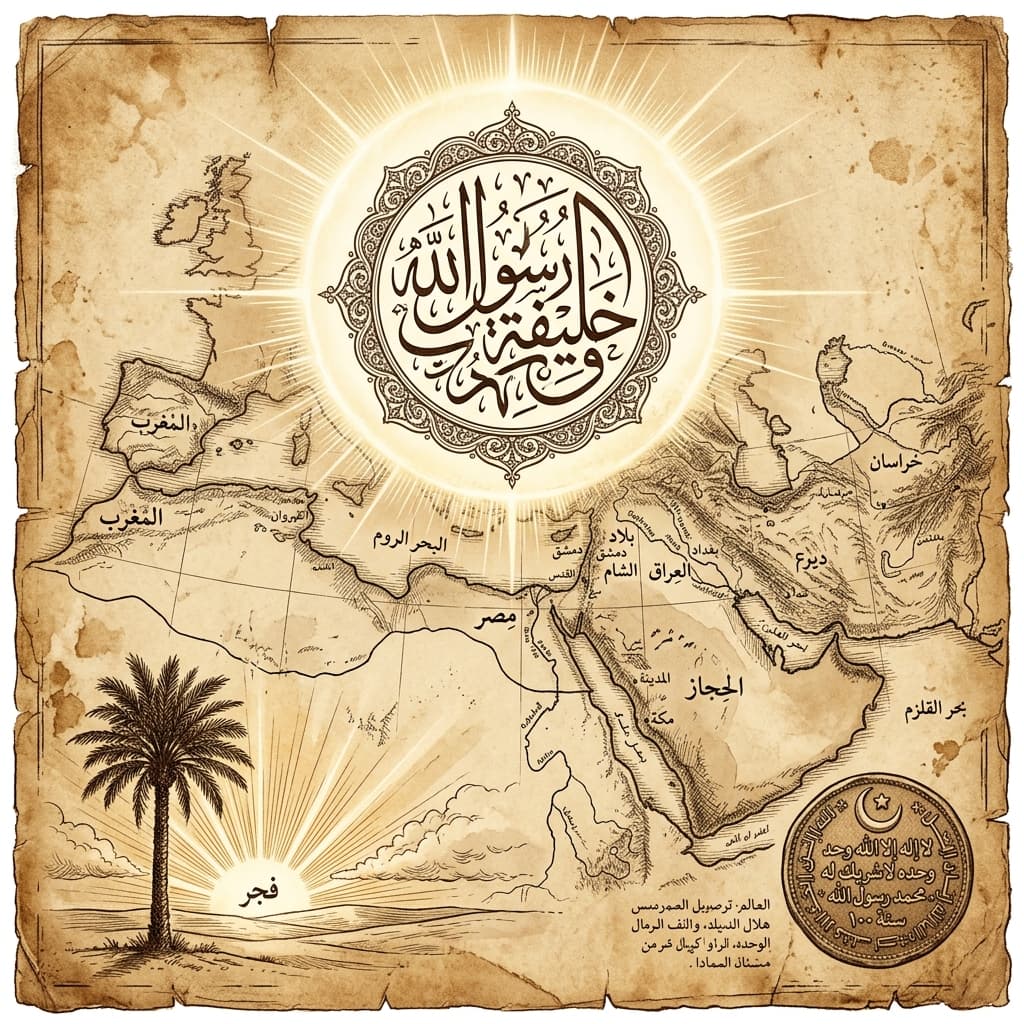
Abu Bakr is remembered as a model of principled leadership, humility, and loyalty. His short but decisive rule prevented the collapse of the early Muslim polity and enabled later expansion under subsequent caliphs.
His role in preserving the Quran and safeguarding communal unity remains one of the defining legacies of the Rashidun era.