Introduction
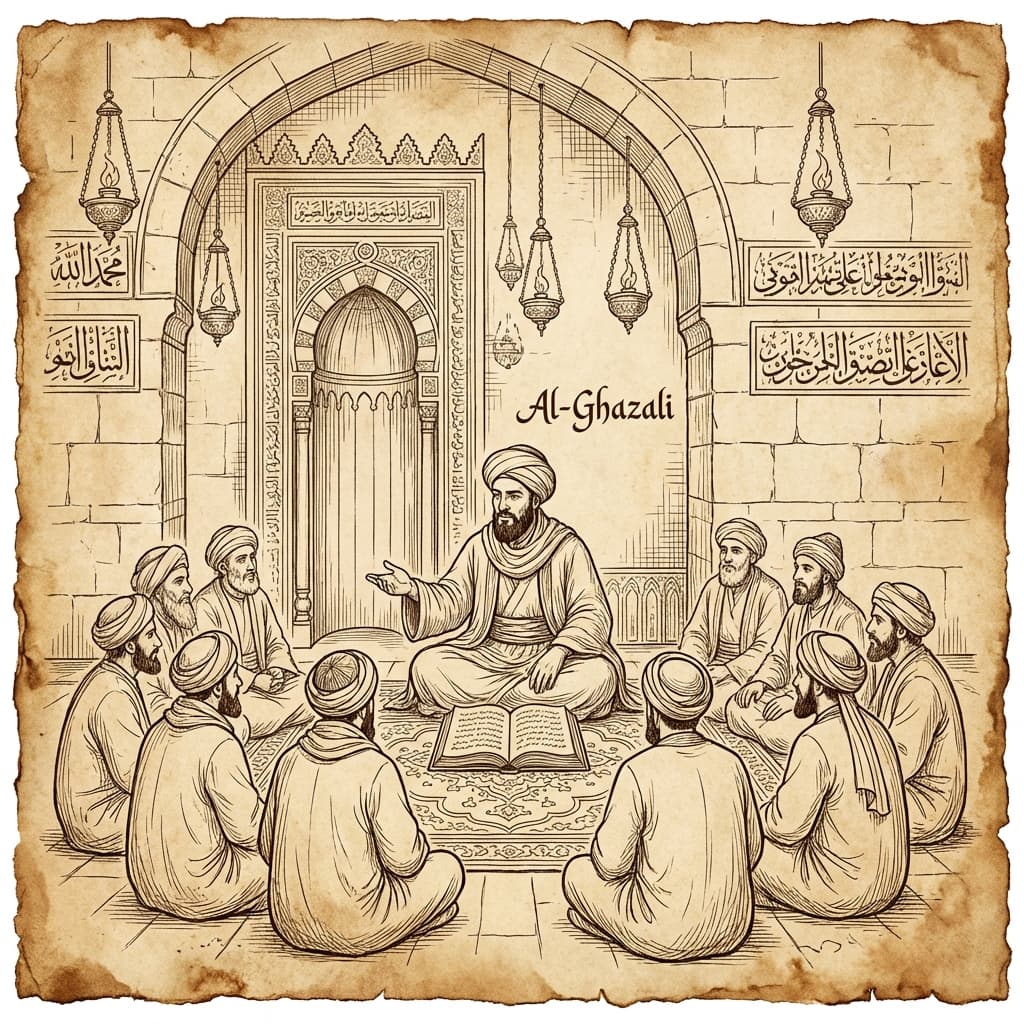
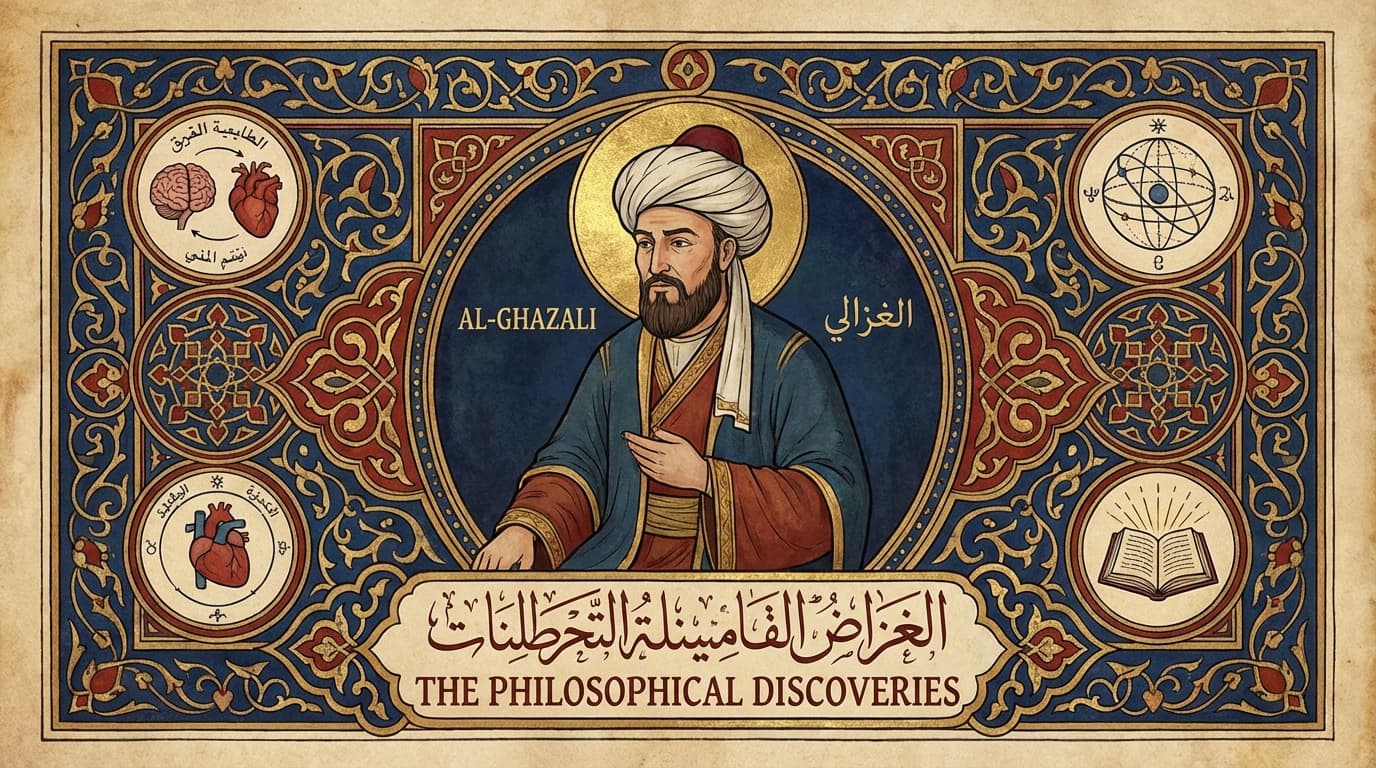
Abu Hamid Muhammad ibn Muhammad al-Ghazali (1058–1111 CE) was one of the most influential Muslim philosophers, theologians, and mystics. His works reconciled orthodox Sunni theology with Sufi mysticism and reshaped Islamic thought for centuries.
Born in Tus (in modern-day Iran), al-Ghazali rose to become the most prominent scholar of his time before undergoing a profound spiritual crisis that led him to abandon his prestigious position and pursue a life of contemplation.
Early Life
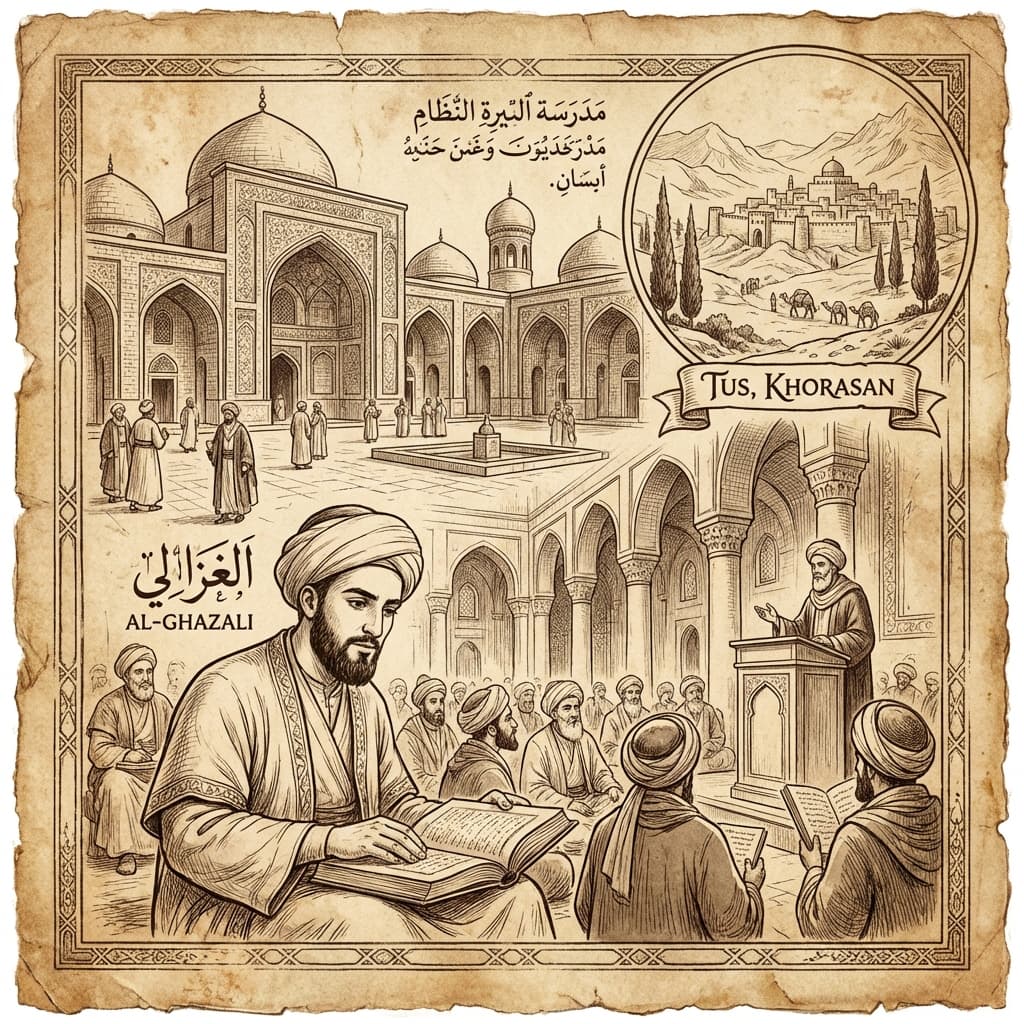
Al-Ghazali was born in 1058 CE in Tus, a major city in Khorasan. Orphaned at a young age, he and his brother were entrusted to a Sufi friend of their father. He studied at the renowned Nizamiyya madrasa in Nishapur under the celebrated theologian al-Juwayni.
His brilliance quickly became apparent, and at the age of thirty-three he was appointed head professor at the Nizamiyya in Baghdad — the most prestigious academic position in the Sunni world.
Contributions
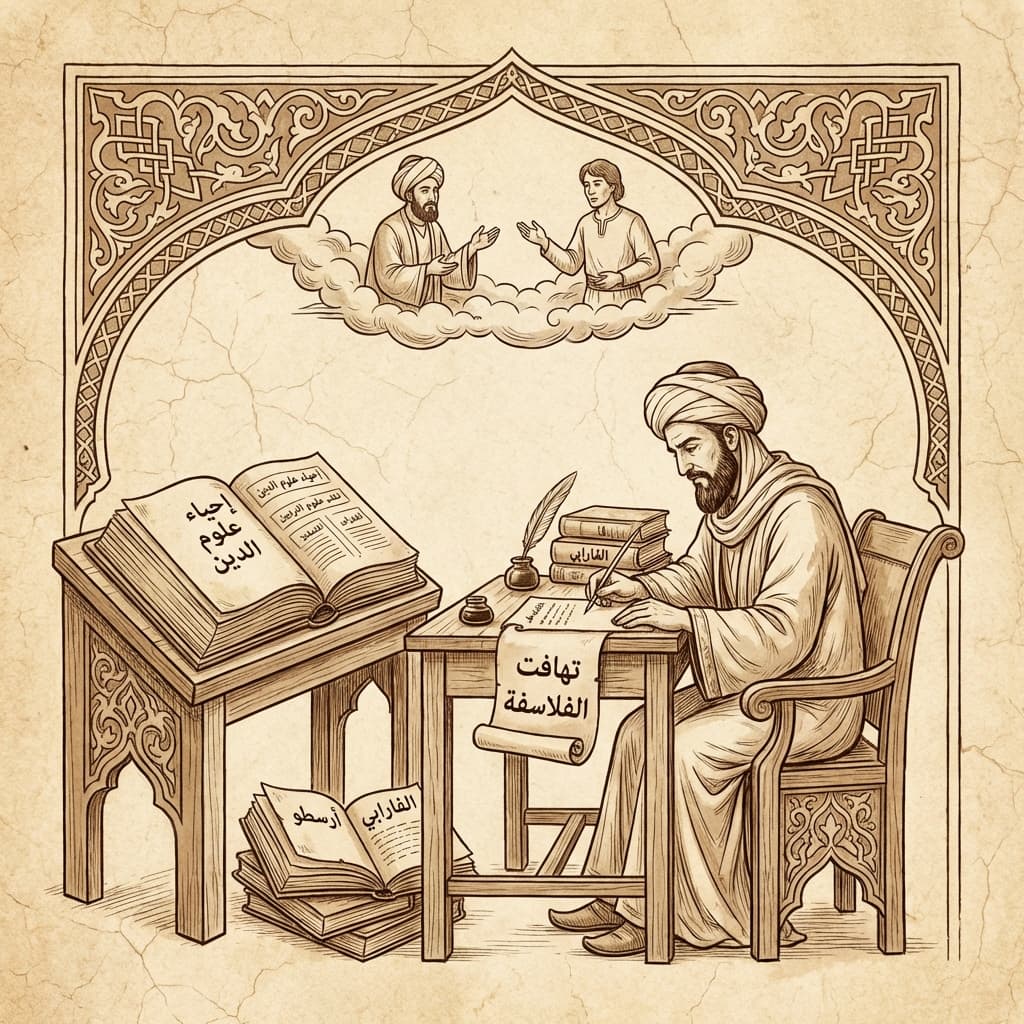
Al-Ghazali's 'The Incoherence of the Philosophers' (Tahafut al-Falasifa) challenged the claims of Aristotelian philosophy, arguing that philosophers had overstepped their bounds in claiming to prove metaphysical truths through reason alone.
His greatest work, 'The Revival of the Religious Sciences' (Ihya Ulum al-Din), is a comprehensive guide to Islamic spirituality that bridges theology, law, ethics, and mysticism. It remains one of the most widely read works in the Islamic world.
Legacy
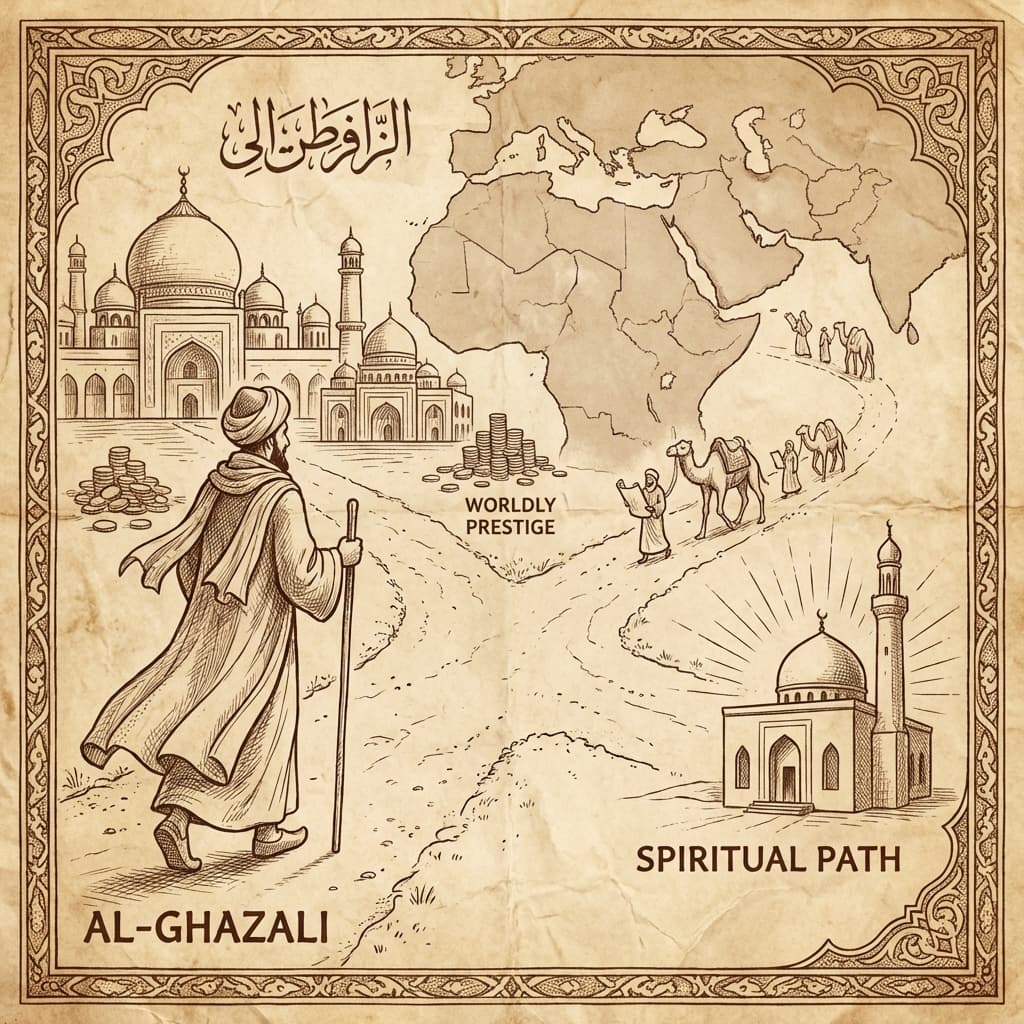
Al-Ghazali is often called the most influential Muslim after the Prophet Muhammad. His reconciliation of orthodox theology with Sufi spirituality created a lasting synthesis that defines mainstream Sunni Islam to this day.
His critique of philosophy influenced later Islamic and Western thinkers alike. His emphasis on personal spiritual experience alongside formal religious observance continues to resonate with Muslims worldwide.