Introduction

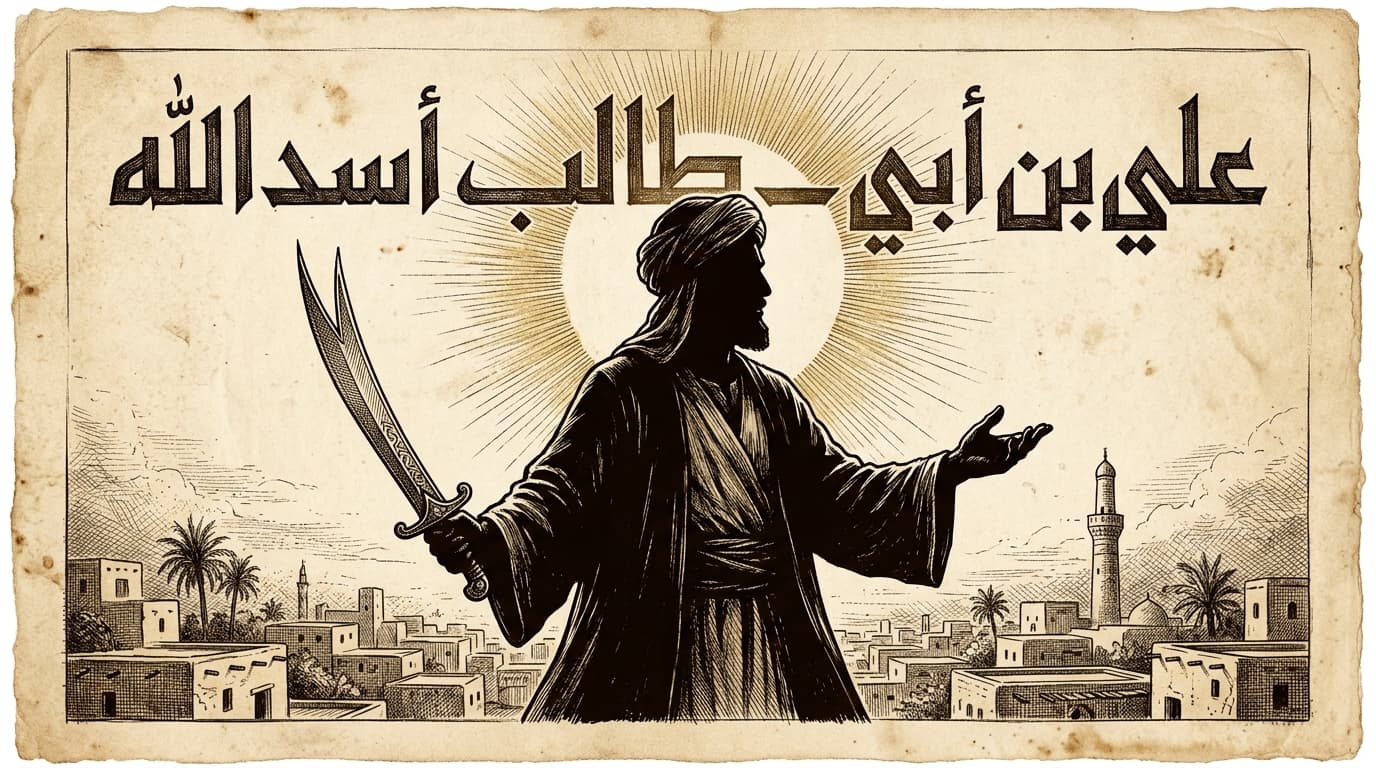
Ali ibn Abi Talib, the fourth Rashidun caliph, was the cousin and son-in-law of the Prophet Muhammad and one of the most revered figures in Islamic history. His leadership came during a period of intense internal conflict.
He is remembered for profound scholarship, moral clarity, and commitment to justice under difficult political conditions.
Early Life
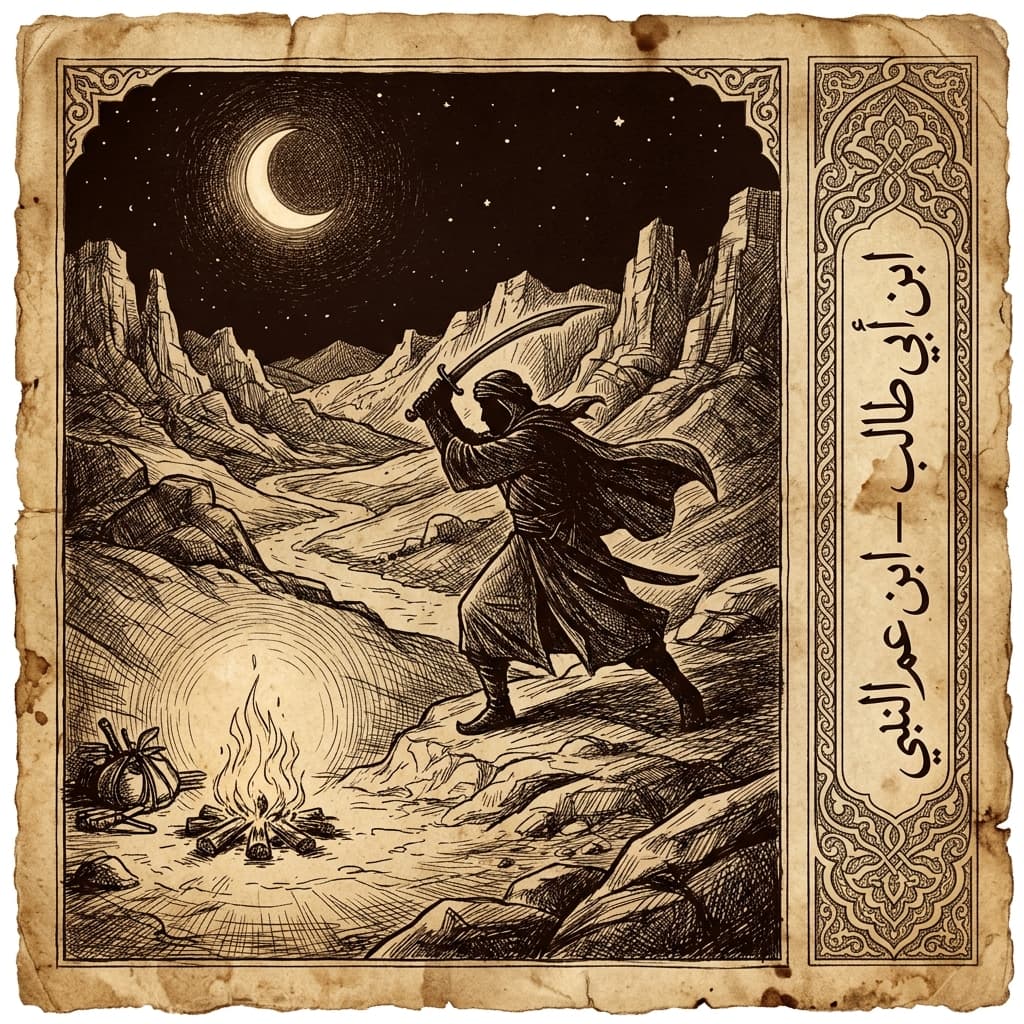
Born in Mecca around 601 CE, Ali grew up in the Prophet's household and was among the earliest converts to Islam. He played key roles in major events of the prophetic era and was known for courage, wisdom, and eloquence.
His close relationship to the Prophet gave him a central place in both Sunni and Shia historical memory.
Contributions
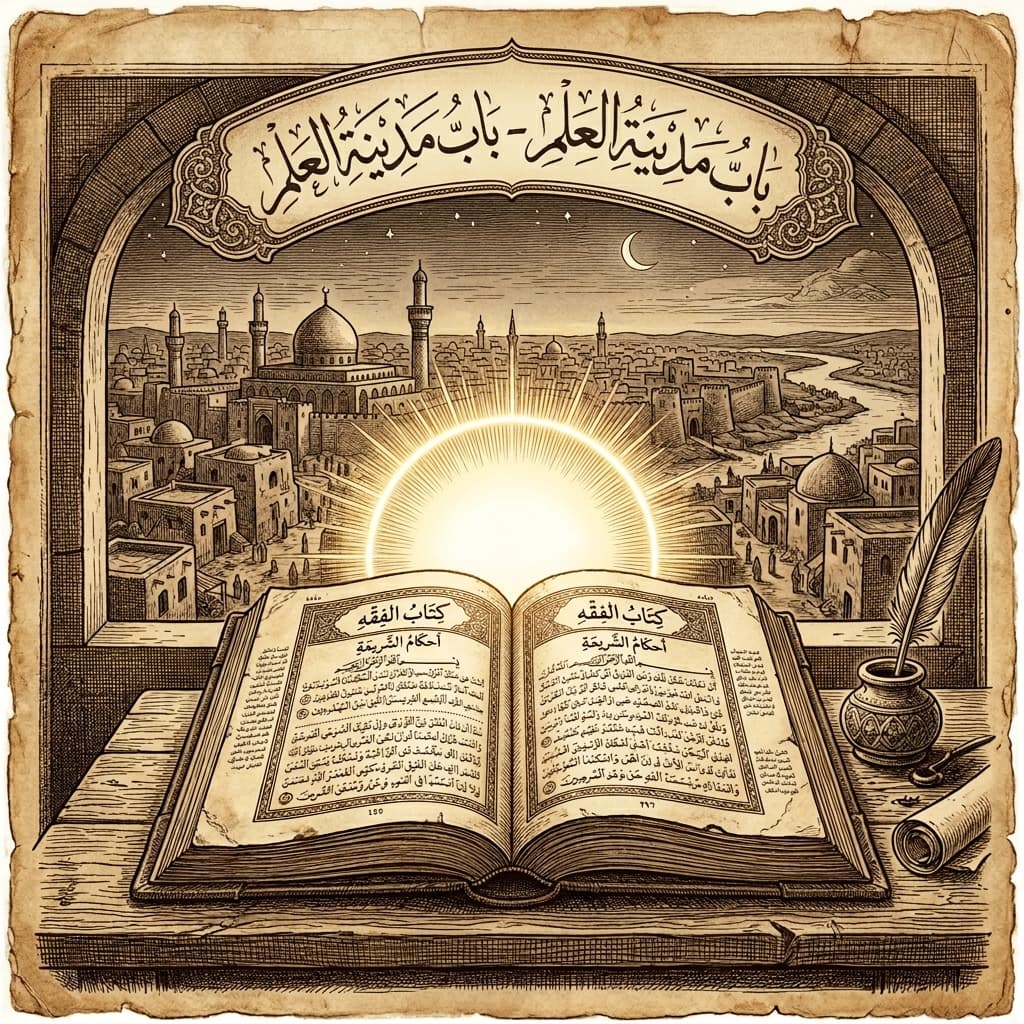
As caliph, Ali emphasized principled governance, judicial fairness, and equal treatment before the law. He confronted civil wars that tested the unity of the community, including the Battles of the Camel and Siffin.
His sermons and letters, later collected in major classical works, became enduring sources of ethical and political thought.
Legacy

Ali's legacy spans law, spirituality, and political ethics. He remains a symbol of integrity and intellectual depth, especially in traditions that emphasize justice and moral leadership.
His life and caliphate continue to shape theological, legal, and historical discourse across the Muslim world.