Introduction
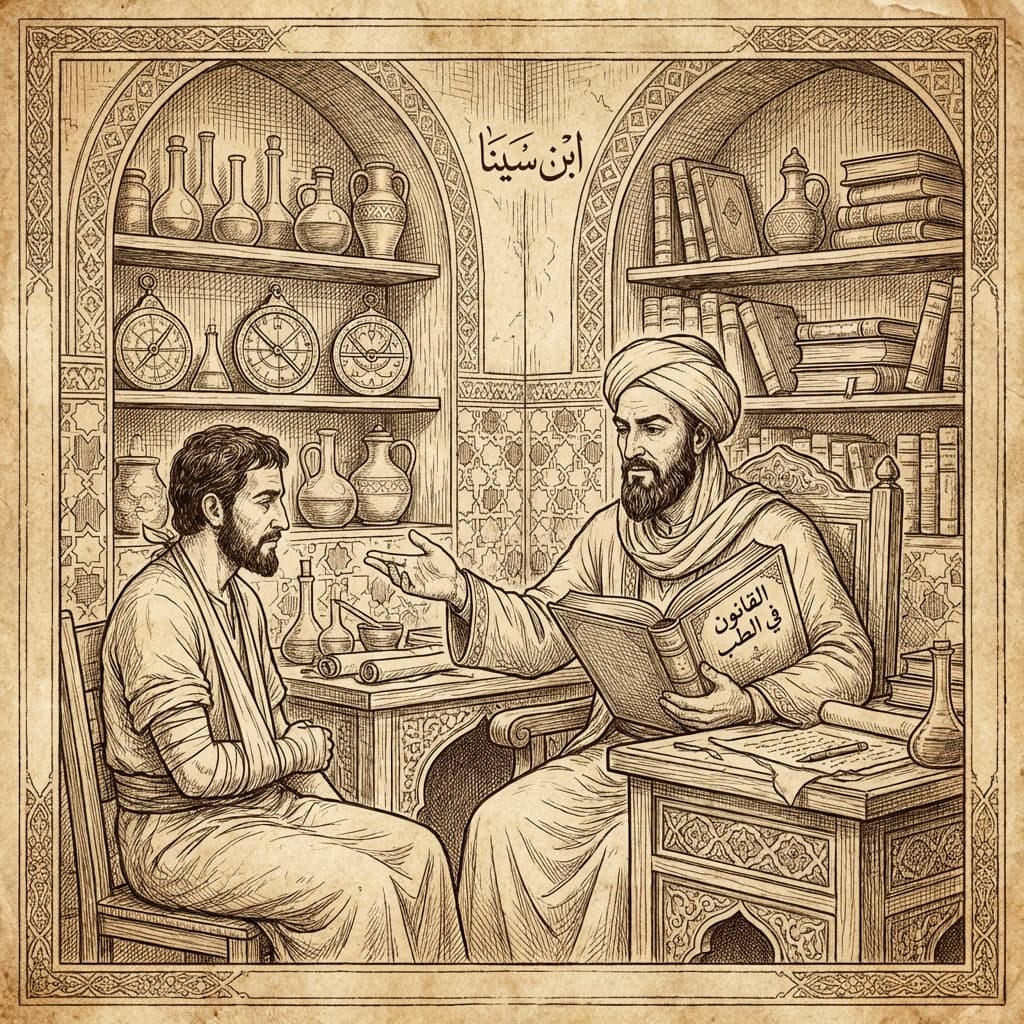
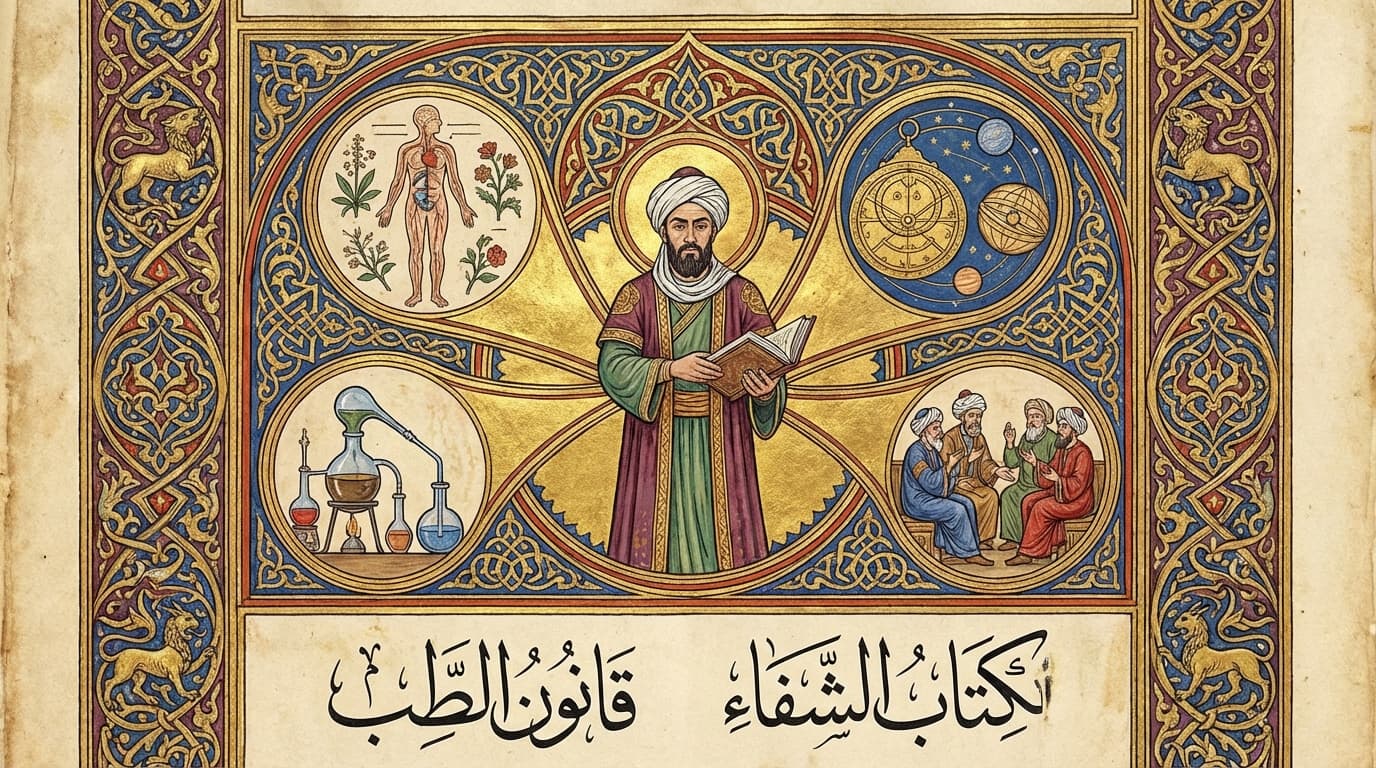
Abu Ali al-Husayn ibn Sina (980–1037 CE), known in the West as Avicenna, was a Persian polymath regarded as one of the most significant physicians, astronomers, thinkers, and writers of the Islamic Golden Age.
His encyclopedic works, particularly 'The Canon of Medicine' and 'The Book of Healing,' profoundly influenced both Islamic and European intellectual traditions for centuries.
Early Life
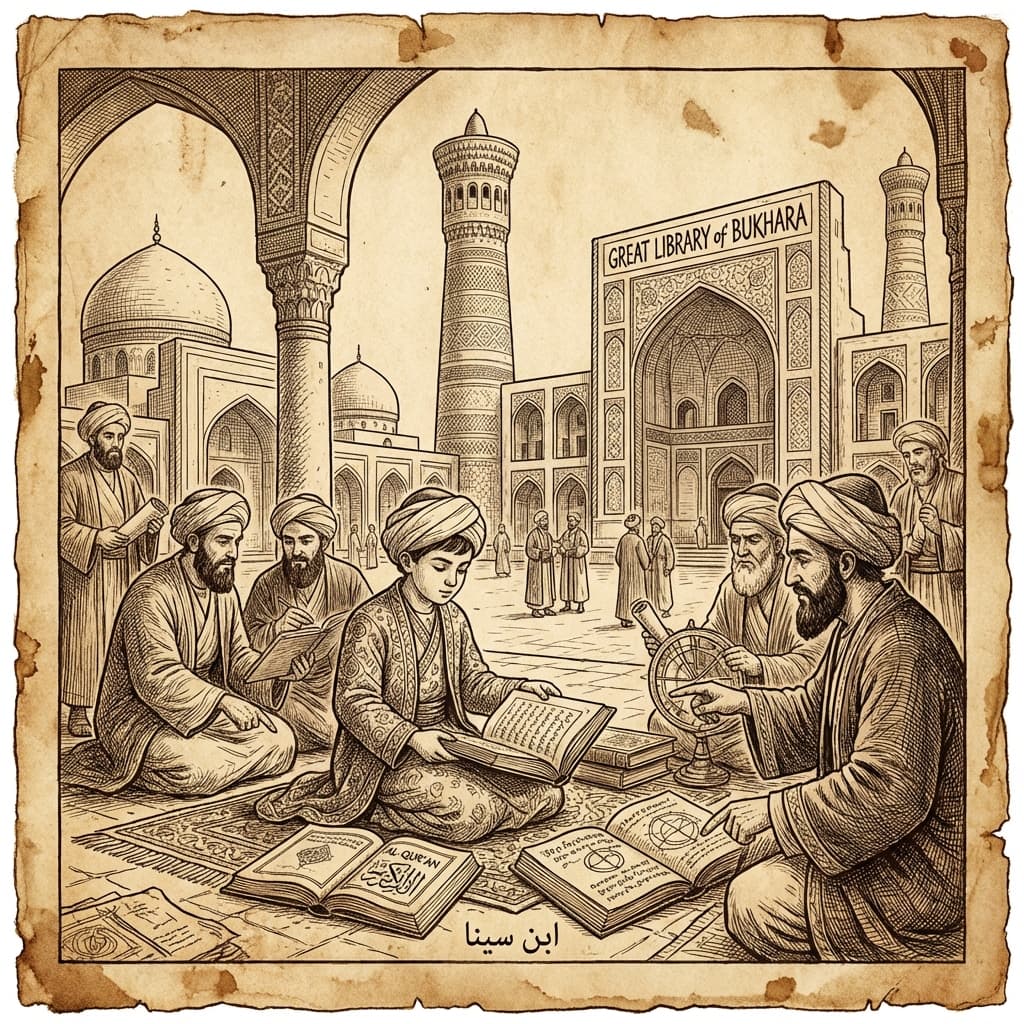
Ibn Sina was born in 980 CE near Bukhara (in modern-day Uzbekistan), a major center of learning in the Samanid Empire. He was a child prodigy who had memorized the Quran by age ten and surpassed his teachers in medicine by sixteen.
By eighteen, he was a fully qualified physician and had successfully treated the Samanid ruler, earning access to the royal library. His voracious reading and self-study in philosophy, mathematics, and the natural sciences shaped his encyclopedic intellect.
Contributions
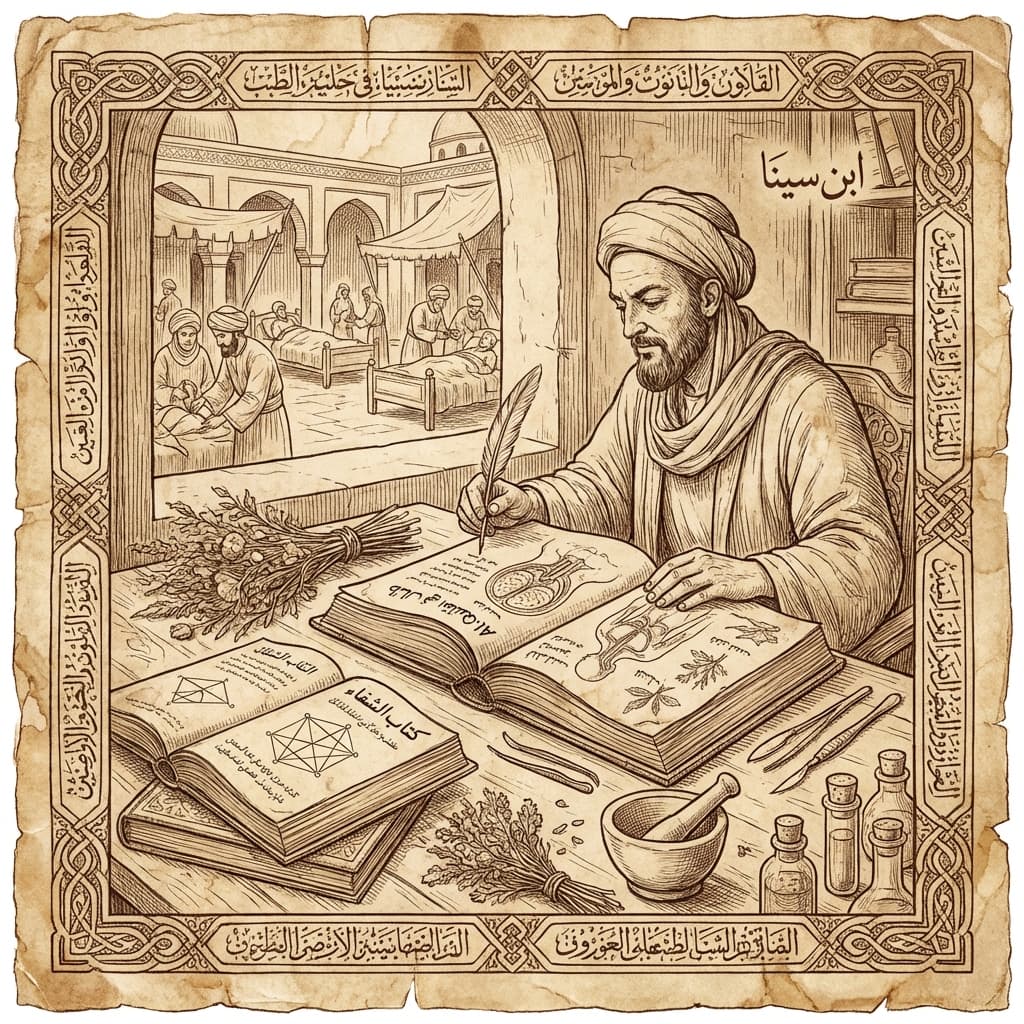
Ibn Sina's 'Canon of Medicine' (Al-Qanun fi al-Tibb) is one of the most famous books in the history of medicine. It systematized Greek, Roman, and Islamic medical knowledge and remained the standard medical textbook in European universities until the 17th century.
His philosophical magnum opus, 'The Book of Healing' (Kitab al-Shifa), covered logic, natural sciences, mathematics, and metaphysics. His philosophical framework synthesized Aristotelian and Neoplatonic thought with Islamic theology.
Legacy
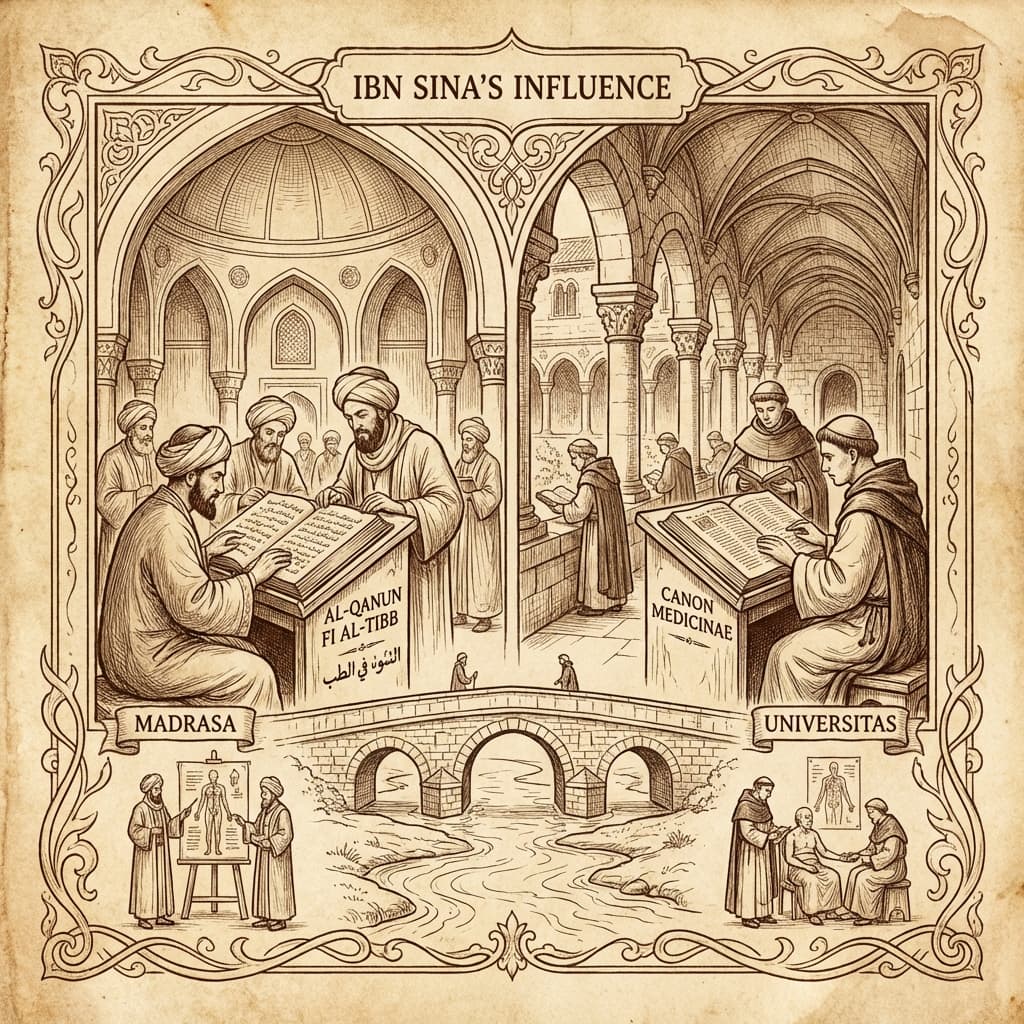
Ibn Sina's influence on both Islamic and Western thought is immeasurable. His medical works established clinical practice standards that endured for over five hundred years. His philosophical ideas influenced Thomas Aquinas, Albertus Magnus, and other medieval European thinkers.
He is considered one of the most important figures in the history of medicine, and his contributions to philosophy, psychology, and the natural sciences continue to be studied and admired.