Introduction
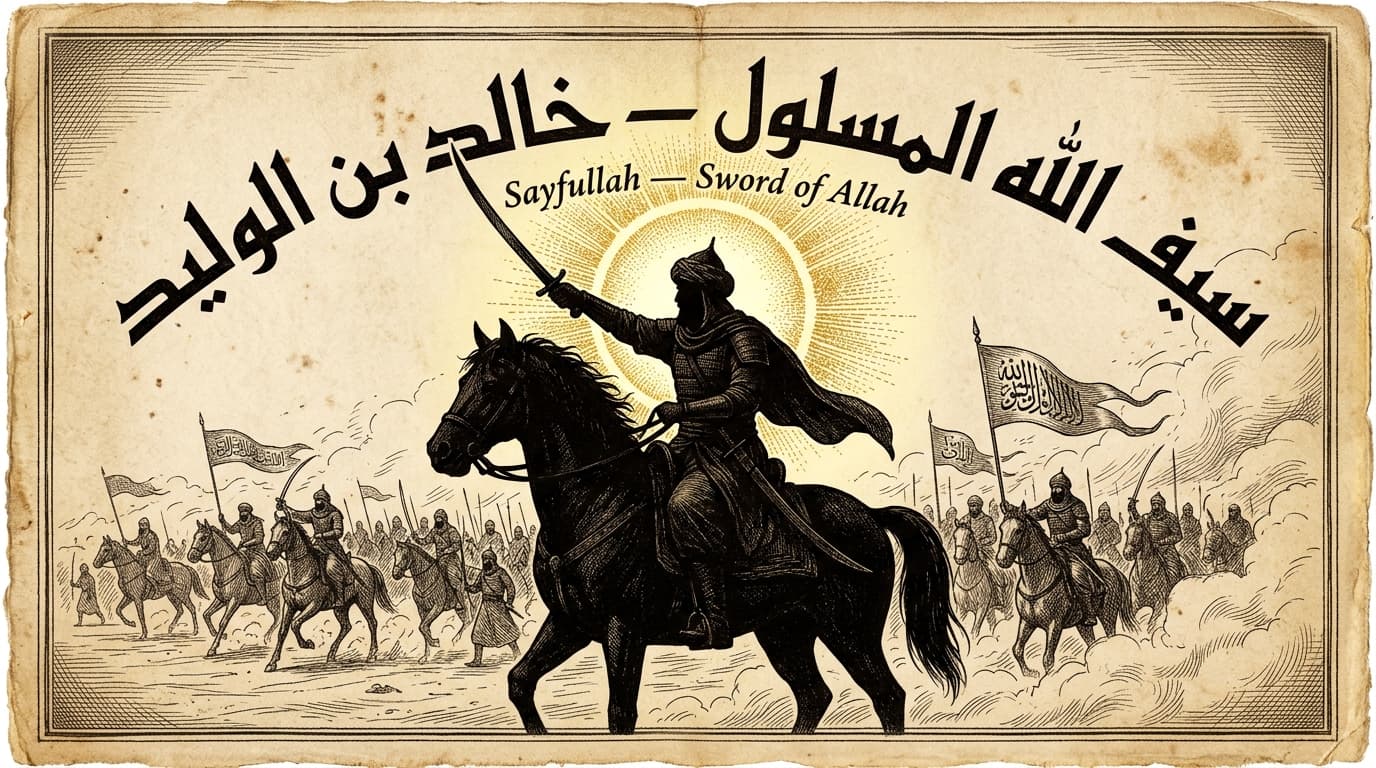
Khalid ibn al-Walid was one of the most accomplished military commanders of the early Islamic period. Known as 'Saifullah' (the Sword of God), he led decisive campaigns that transformed the balance of power in the Near East.
His strategic adaptability and battlefield discipline made him a legendary figure in military history.
Early Life
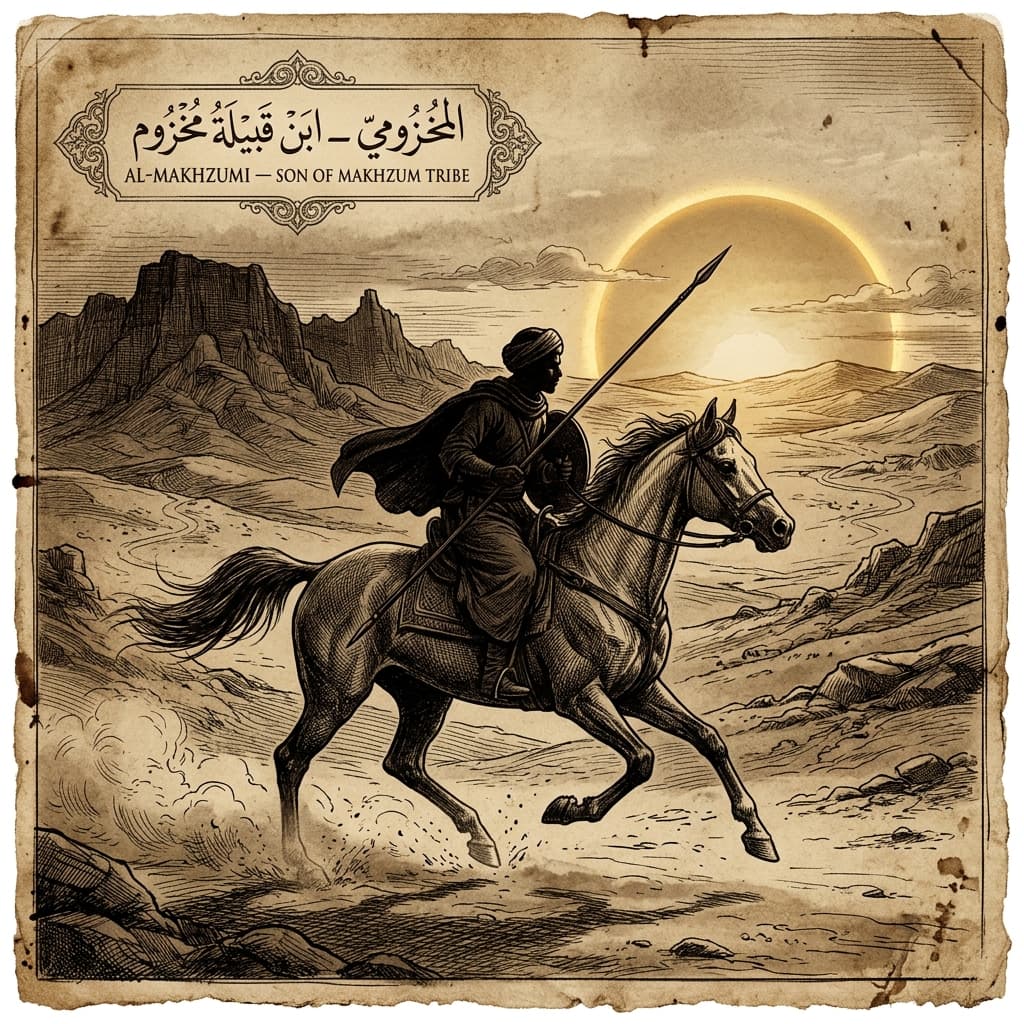
Born in Mecca around 585 CE into the Makhzum clan, Khalid was trained in horsemanship, arms, and tribal warfare from an early age. After accepting Islam, he redirected his military skill toward the defense and expansion of the Muslim community.
He quickly emerged as one of the most trusted commanders of the caliphal era.
Contributions
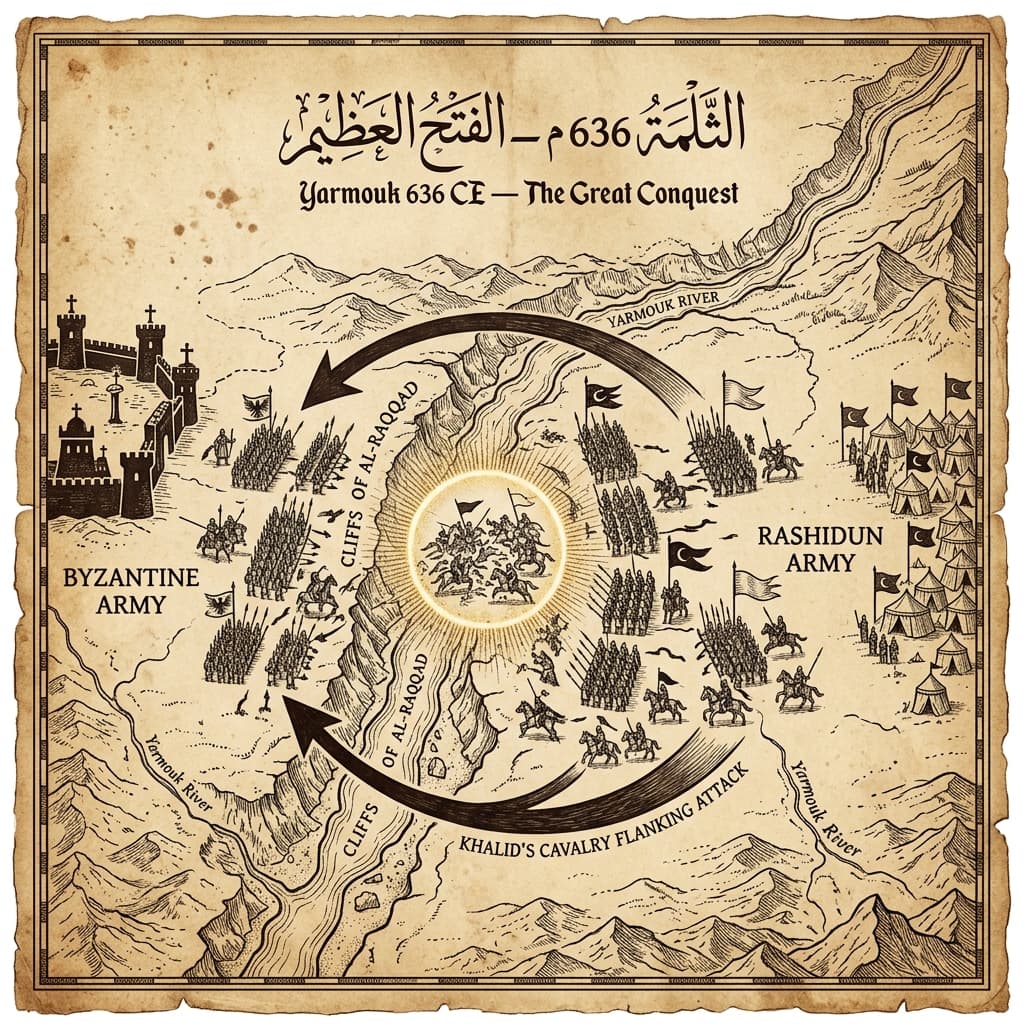
Khalid commanded key operations in the Ridda Wars and major campaigns against Byzantine and Sassanid forces. His maneuvers at Yarmouk and across the Syrian-Iraqi frontier are studied for speed, deception, and operational coherence.
He helped secure critical victories that enabled long-term consolidation of the early caliphate.
Legacy
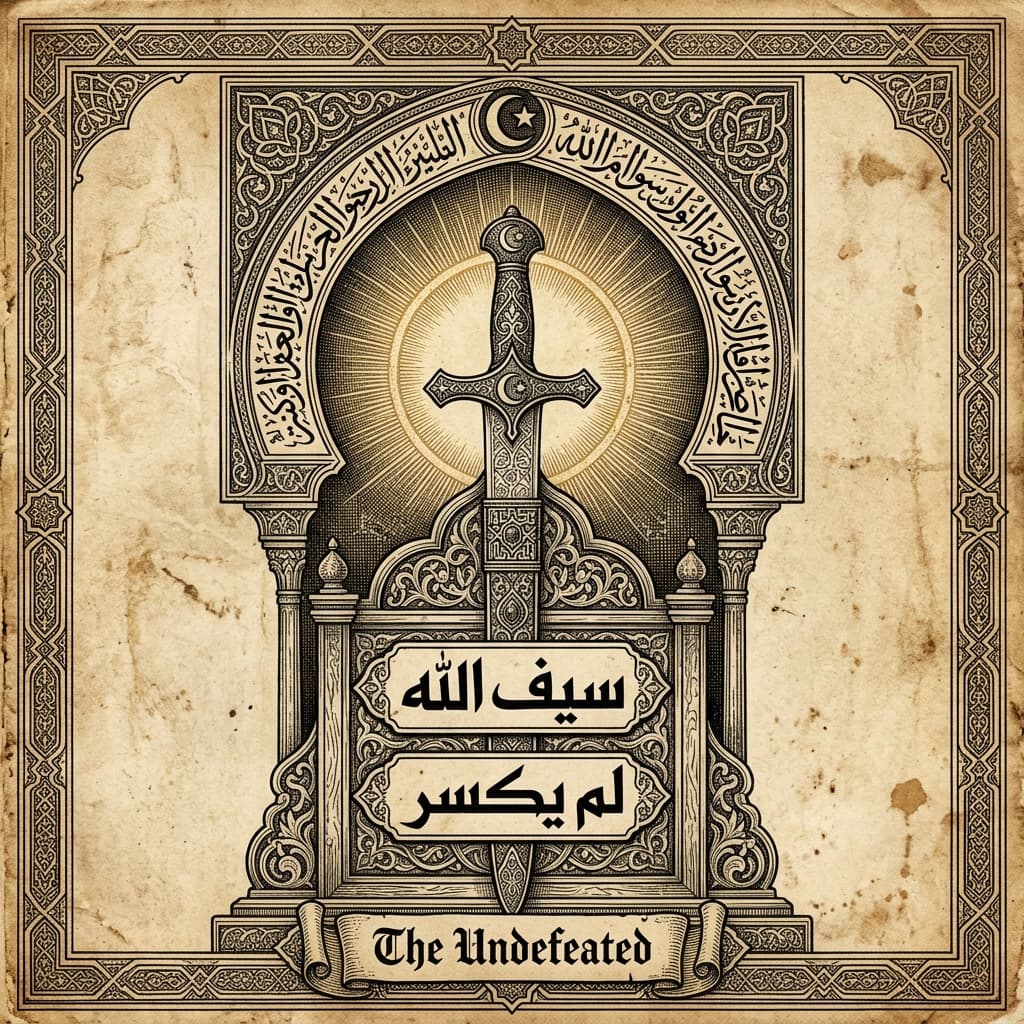
Khalid's legacy is defined by military excellence, resilience, and tactical innovation. He remains one of the most celebrated generals in Islamic and world military history.
His campaigns played a central role in the early expansion of the caliphate and the geopolitical transformation of the region.