Introduction
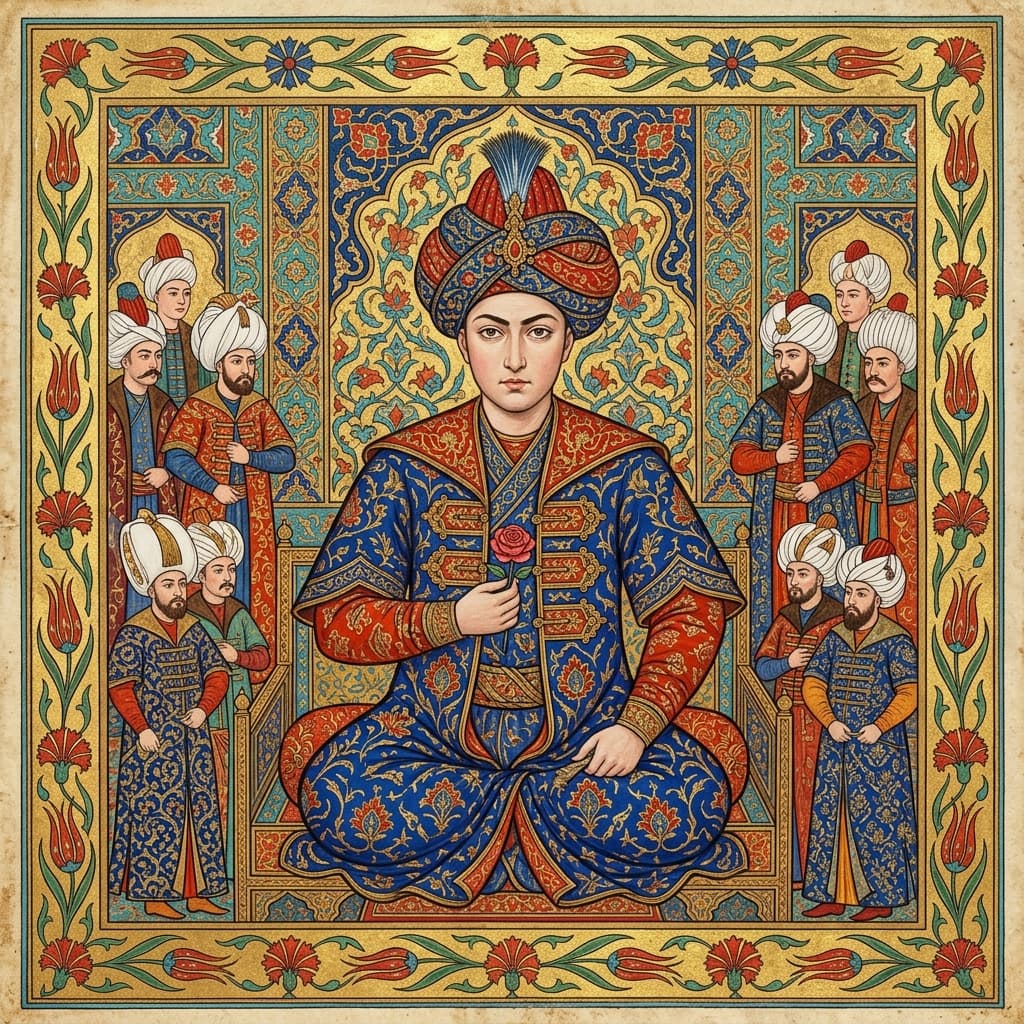
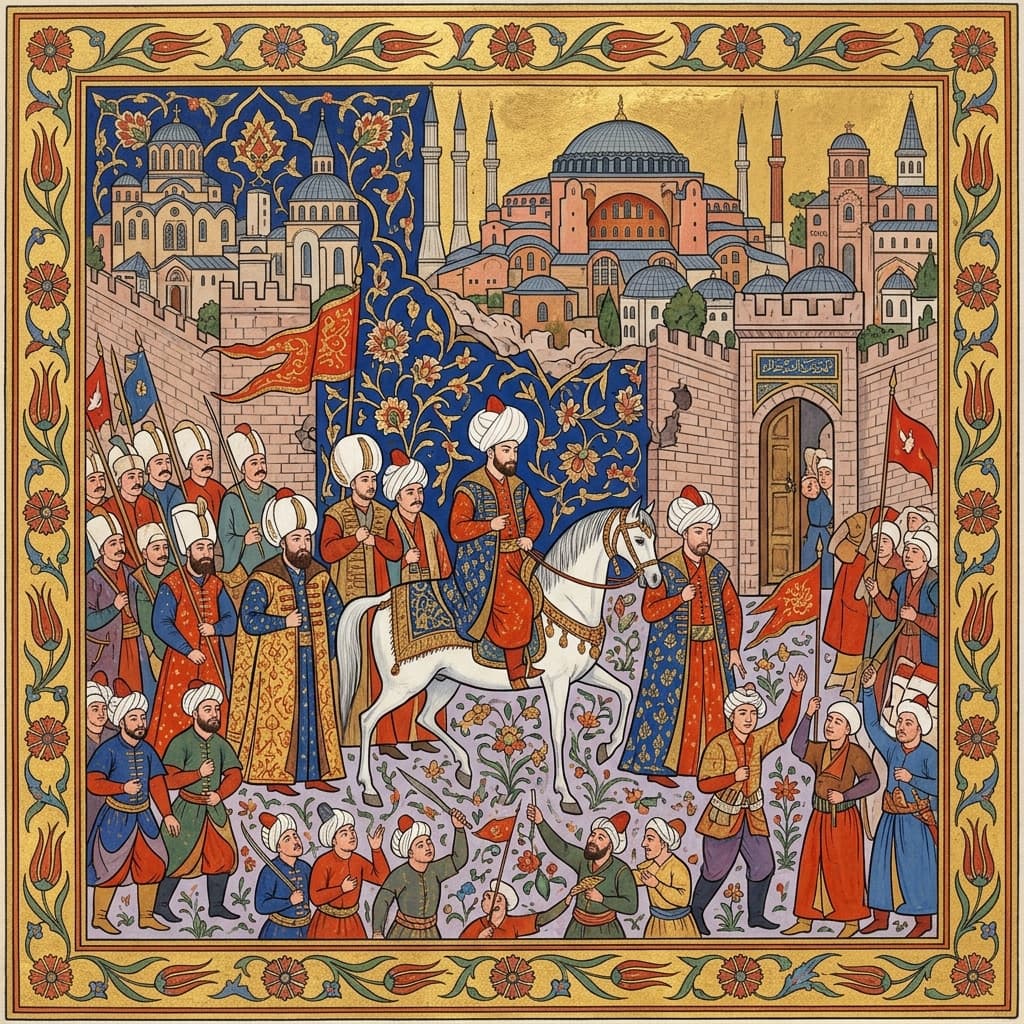
Mehmed II (1432–1481 CE), known as Fatih (the Conqueror), was the seventh Ottoman sultan and one of the most transformative rulers in world history. At the age of twenty-one, he accomplished what centuries of Muslim rulers had attempted: the conquest of Constantinople.
This achievement transformed the Ottoman state from a Balkan-Anatolian sultanate into a true empire, with Mehmed casting himself as the heir of both the Roman and Islamic imperial traditions.
Early Life
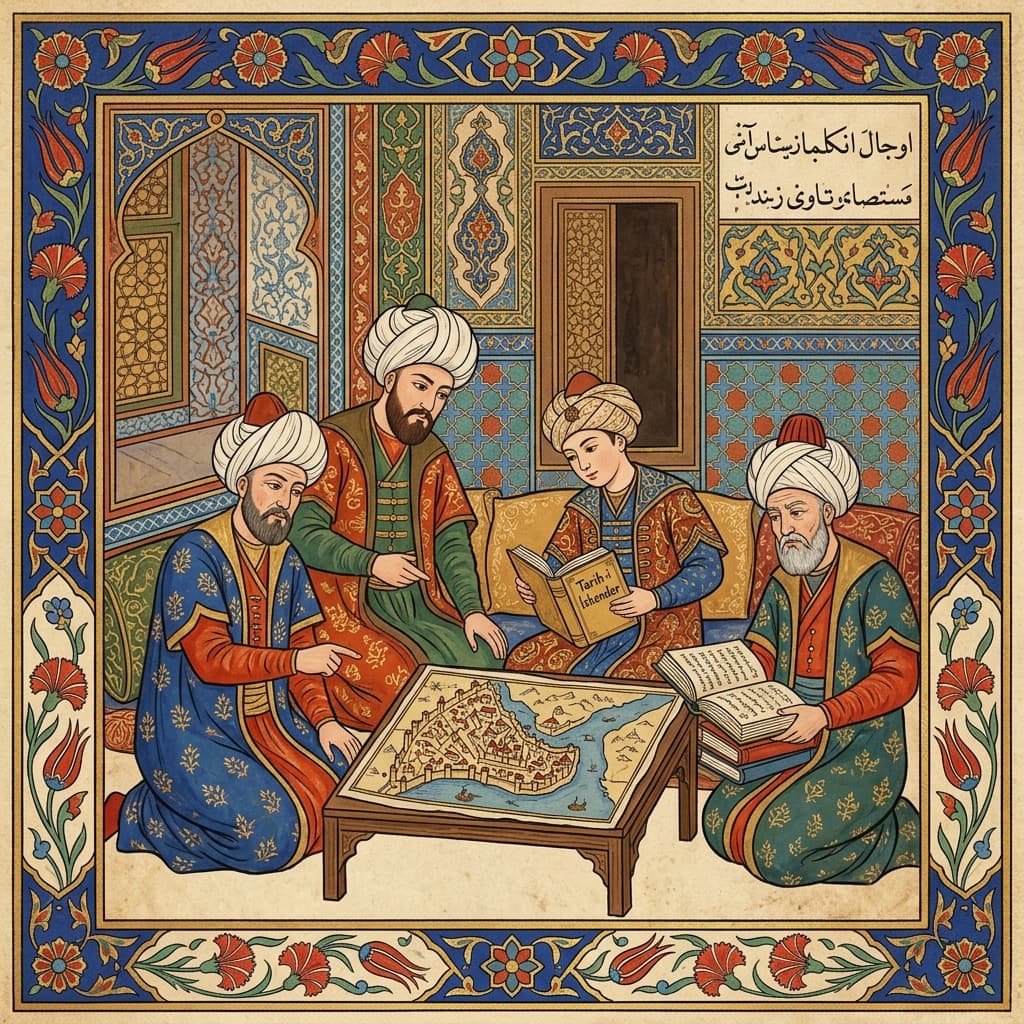
Born in 1432 CE in Edirne, the Ottoman capital at the time, Mehmed was the third son of Sultan Murad II. His early years were marked by political turbulence — he was briefly sultan at age twelve before his father reclaimed the throne.
He received an exceptional education under the supervision of leading scholars of the day and showed from youth an intense fascination with history, geography, philosophy, and military strategy. He was reportedly fluent in six languages, including Greek and Latin, and consumed accounts of Alexander the Great and Julius Caesar with particular interest.
Contributions
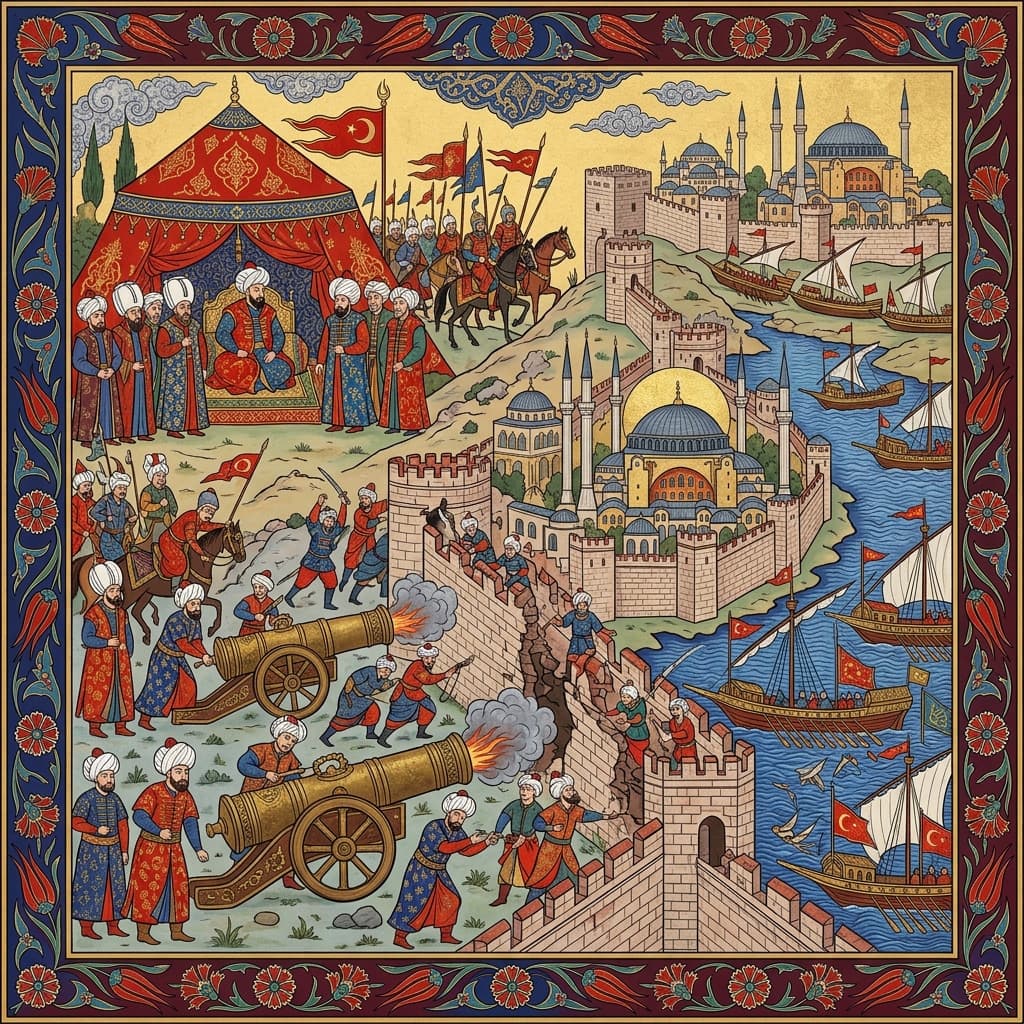
Mehmed's defining achievement was the conquest of Constantinople on 29 May 1453, achieved through the innovative deployment of massive bronze cannons cast by the Hungarian engineer Urban, combined with a logistical feat that transported ships overland to bypass the defensive chain across the Golden Horn.
After the conquest, Mehmed pursued a deliberate policy of imperial reconstruction: he repopulated the city with settlers from across the empire, restored churches and synagogues, appointed the Greek patriarch Gennadios to lead the Christian community, and commissioned new mosques, markets, and palaces. He issued a comprehensive law code (kanunname) reorganizing the empire and establishing the principle that all law ultimately derived from the sultan's authority.
Legacy
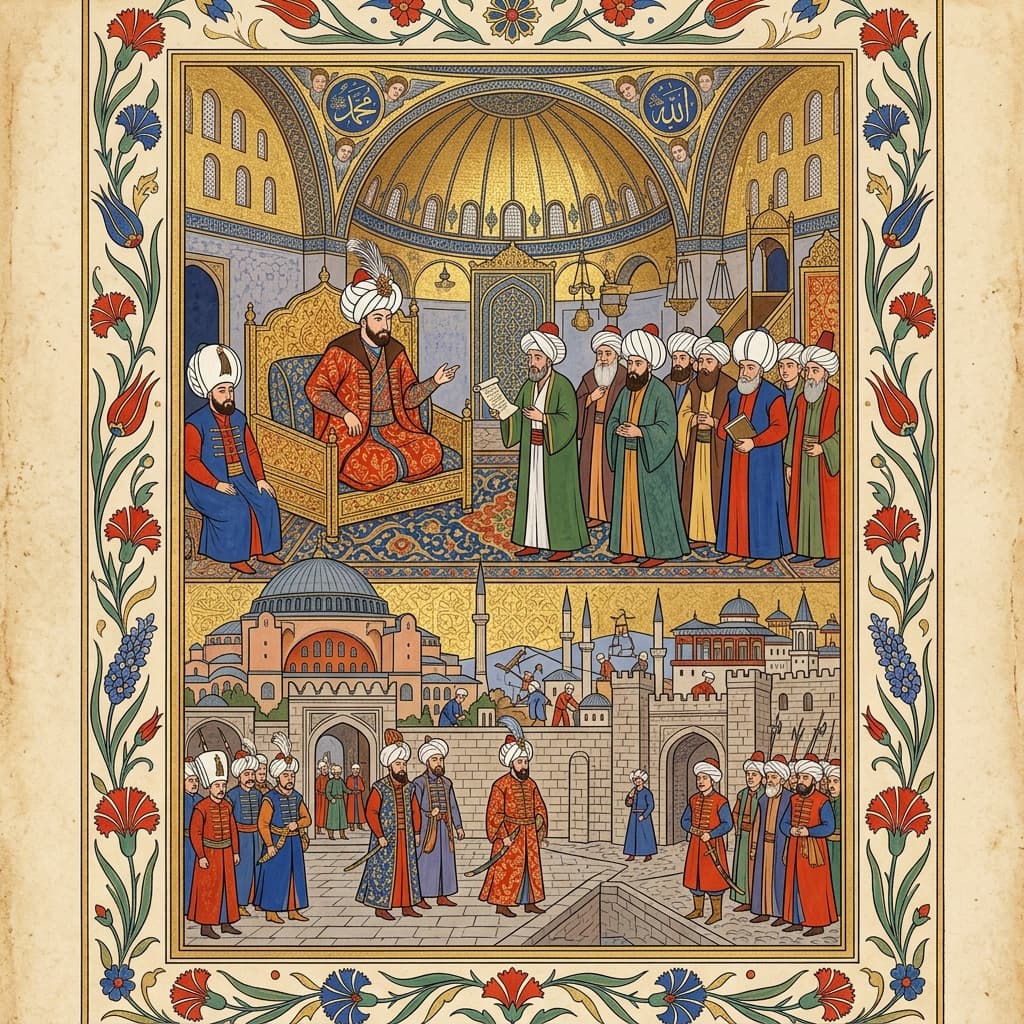
Mehmed II's conquest of Constantinople ended the Byzantine Empire and sent shockwaves through Christian Europe, accelerating the flight of Greek scholars to Italy and contributing to the intellectual ferment of the Renaissance. His capture of the ancient imperial city established Ottoman legitimacy as heirs to a universal empire.
He is remembered in Turkey as one of the greatest heroes of national history, and his epithet Fatih remains one of the most celebrated titles in Ottoman tradition. His model of imperial governance — combining Islamic law, Byzantine administrative practice, and sultanic authority — defined the Ottoman system for generations.