Introduction
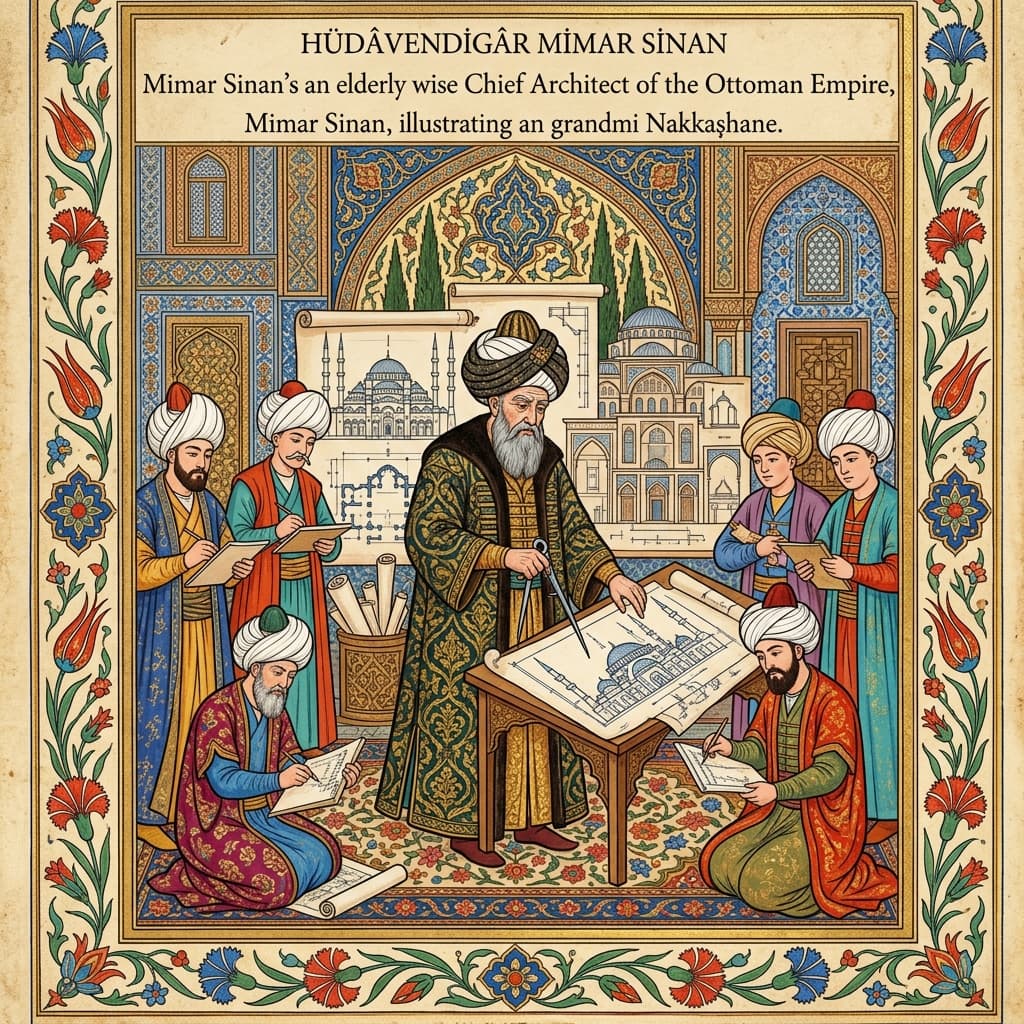
Mimar Sinan (c. 1489–1588 CE) was the chief imperial architect of the Ottoman Empire under sultans Suleiman the Magnificent, Selim II, and Murad III. He is universally regarded as the greatest architect of the Ottoman tradition and one of the masters of world architecture.
Over a career spanning six decades, he designed or supervised over 370 structures — mosques, madrasas, bridges, aqueducts, palaces, and caravanserais — that defined the built environment of the Ottoman world and remain among the finest achievements in the history of architecture.
Early Life
Sinan was born around 1489 CE, most likely in Ağırnas near Kayseri in Anatolia, to a Greek Christian family. He was recruited through the devshirme system — the Ottoman practice of selecting talented Christian boys for state service — converted to Islam, and trained in the palace schools.
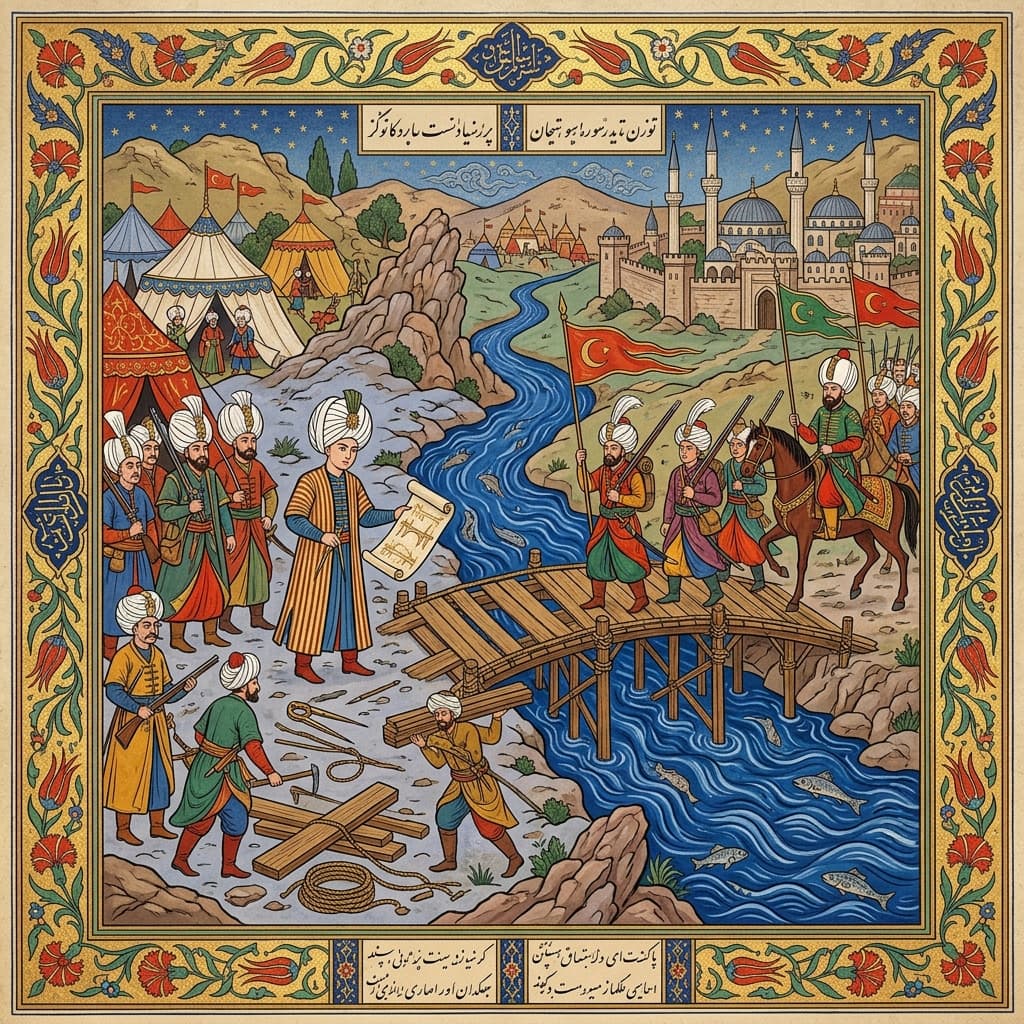
He served in the Ottoman military as a combat engineer, participating in major campaigns including the sieges of Rhodes and Belgrade, the Battle of Mohacs, and the campaign against Safavid Persia. His military engineering experience — building bridges, fortifications, and supply infrastructure under battlefield conditions — gave him an exceptionally practical foundation for his architectural career.
Contributions
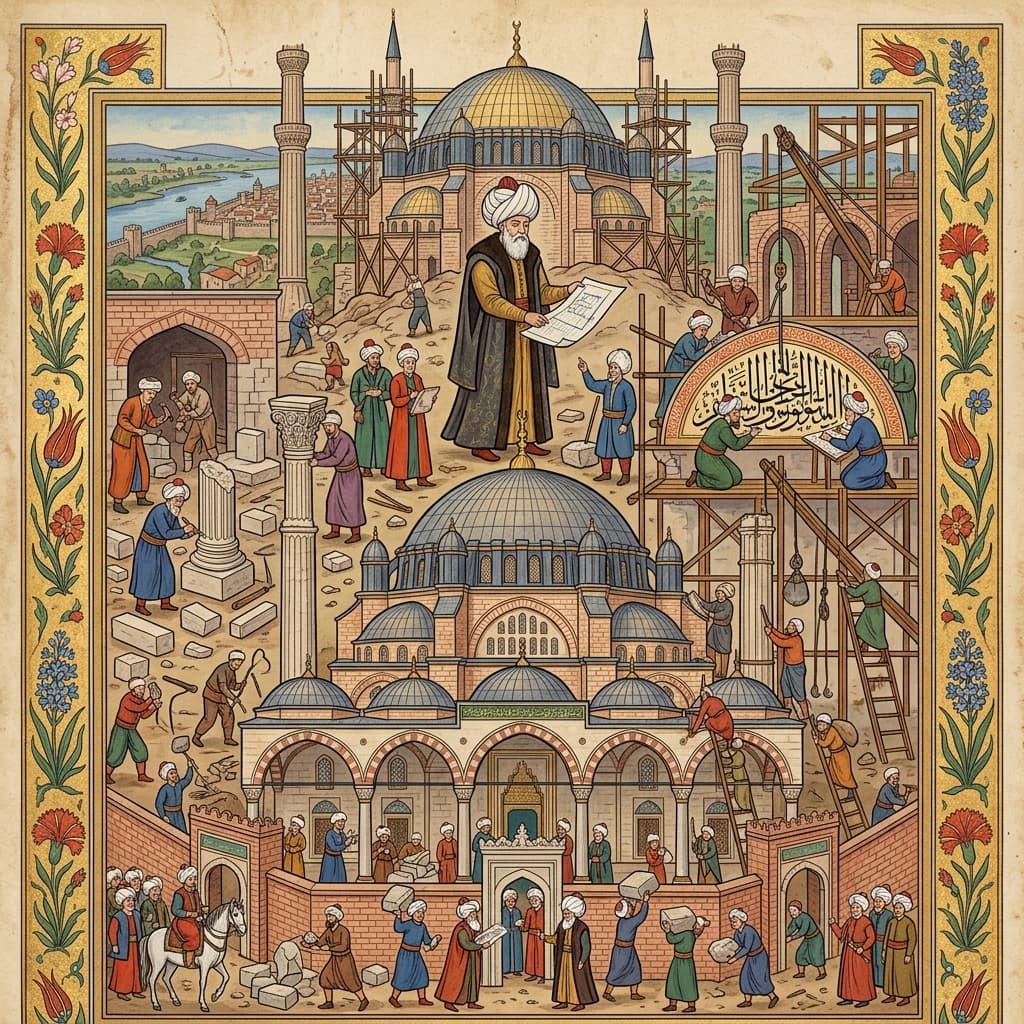
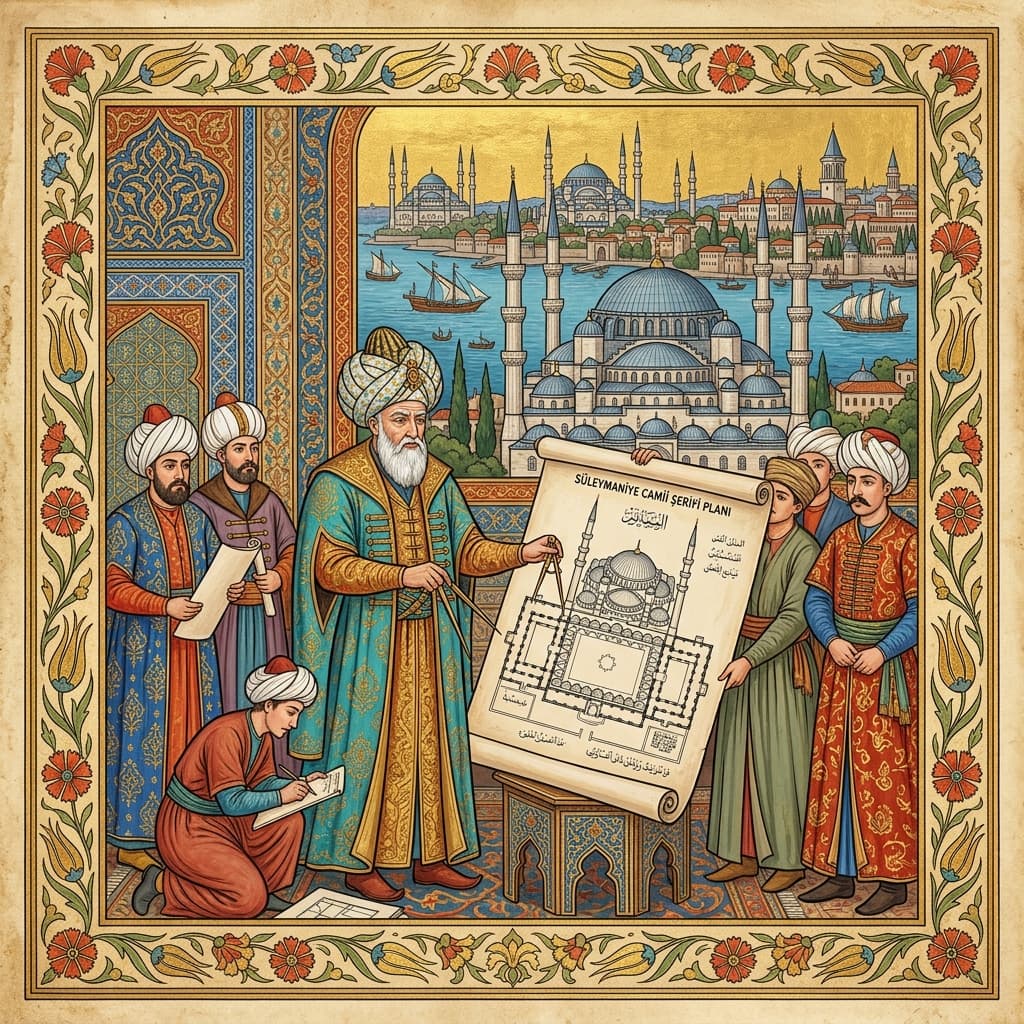
Sinan's masterworks represent the pinnacle of Ottoman architectural achievement. The Suleymaniye Mosque complex in Istanbul (completed 1557) established the ideal of the Ottoman imperial mosque as a self-contained civic world encompassing mosque, madrasas, hospital, caravanserai, and mausoleum.
His crowning achievement is the Selimiye Mosque in Edirne (completed 1575), which Sinan himself considered his finest work. Its single massive dome — larger than that of the Hagia Sophia — rests on eight piers with such structural elegance that it seems to float without visible support. Sinan spent decades refining the challenge of covering the largest possible space under a single dome, and the Selimiye represents the solution he considered definitive.
Legacy
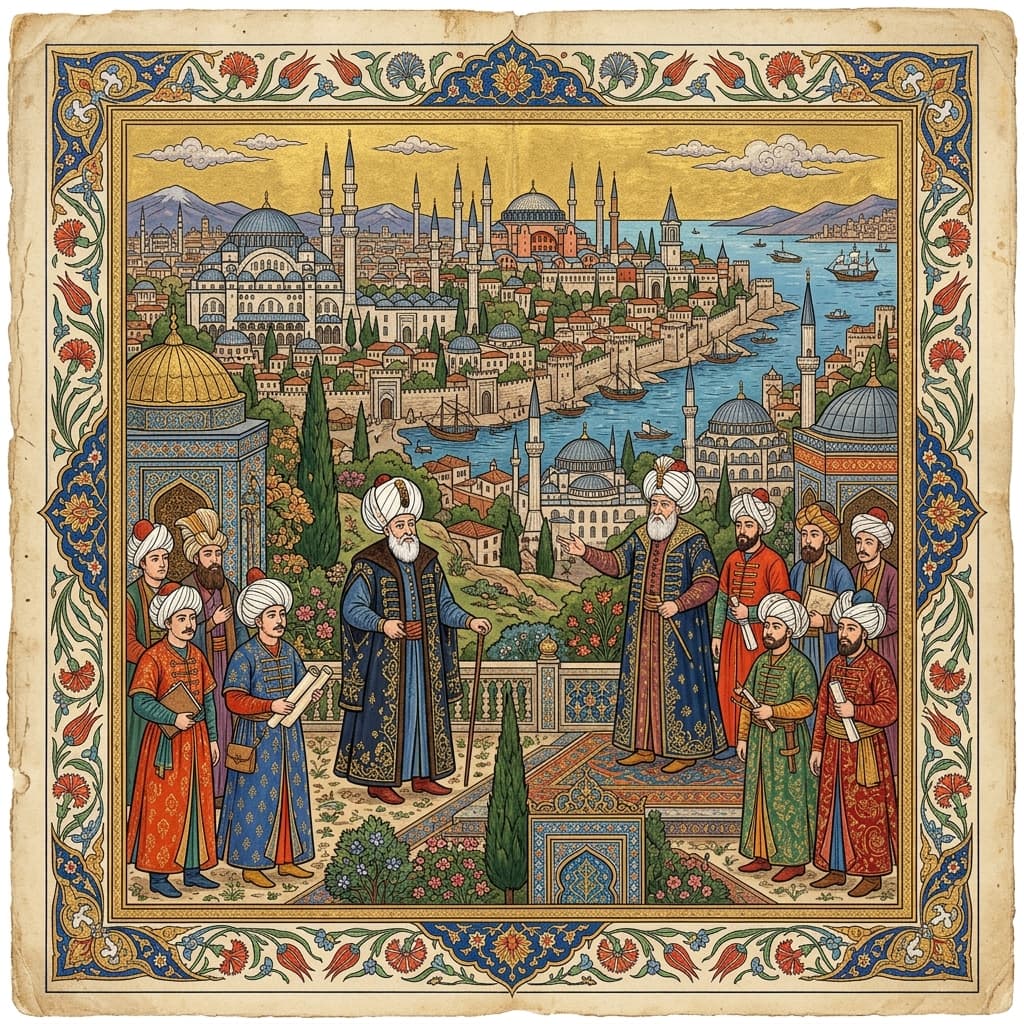
Mimar Sinan's influence on Ottoman and Islamic architecture is incalculable. The mosque typology he perfected — centralized dome, cascading half-domes, slender minarets, integrated complex — became the definitive model for mosque construction across the Muslim world.
His structural innovations — the use of external buttressing concealed within the building mass, the refinement of pendentive and semi-dome transitions, the manipulation of light through massed windows — influenced architectural thinking far beyond the Ottoman world. He died in 1588 at nearly 100 years of age, still serving as chief architect, and was buried in a modest tomb of his own design near the Suleymaniye Mosque.