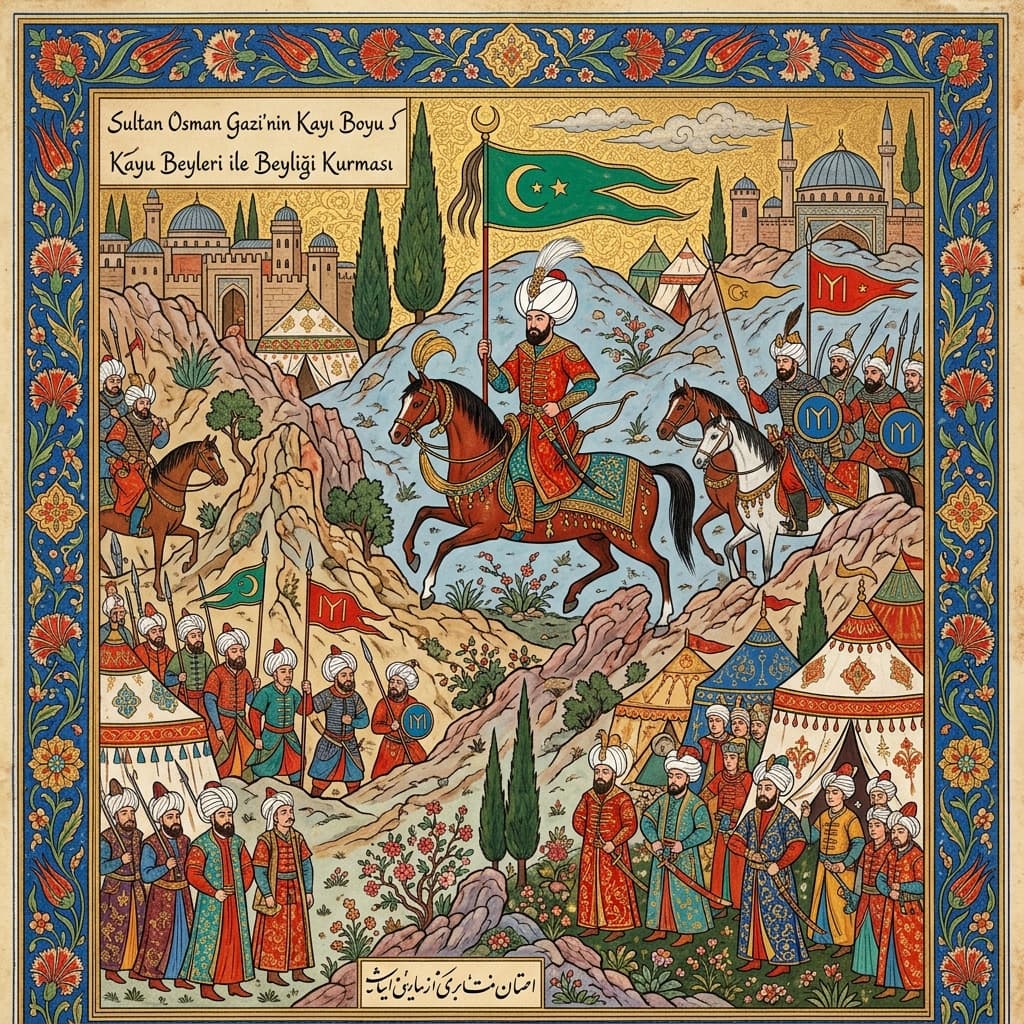
Introduction
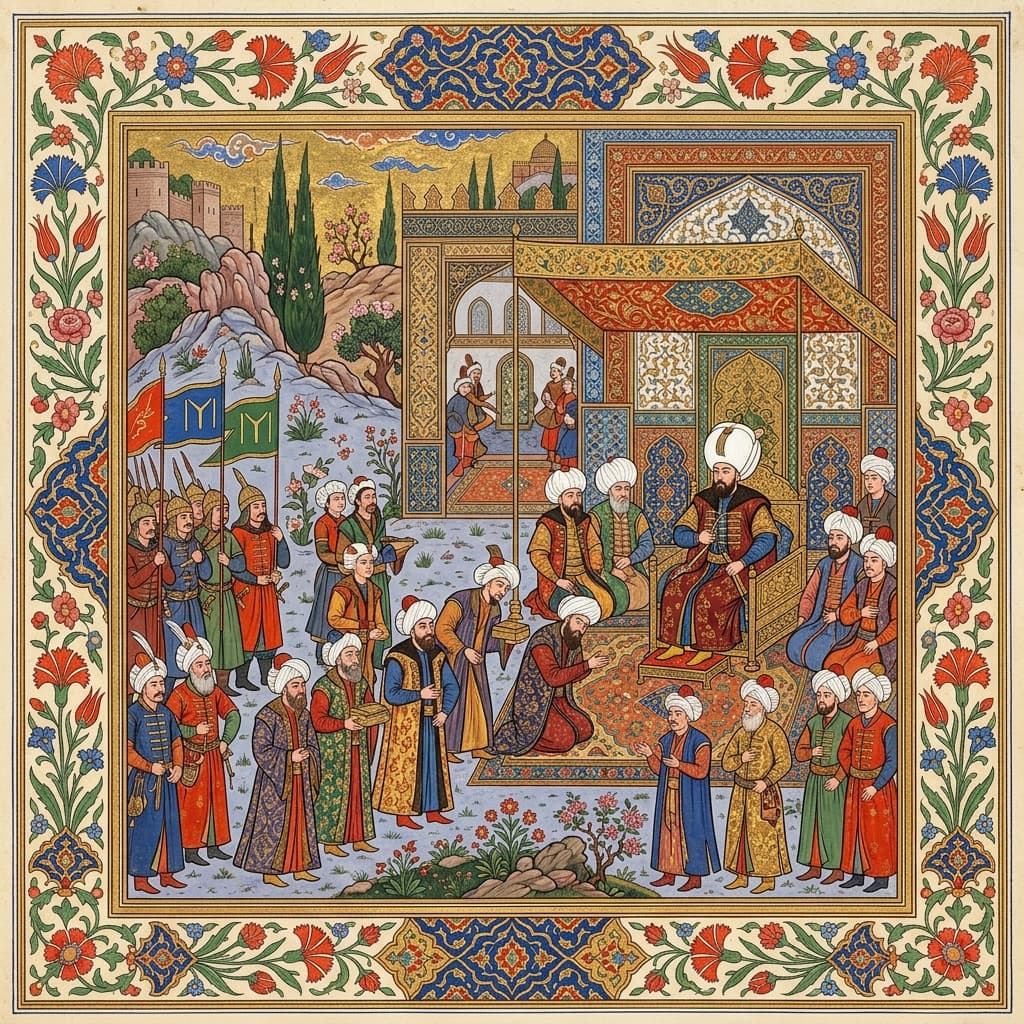
Osman I (c. 1258–1326 CE) was the founder of the Ottoman dynasty, a Turkic chieftain who transformed a small frontier principality on the western edge of Anatolia into the nucleus of what would become one of history's most enduring empires.
Operating on the marchlands between the weakening Byzantine Empire and the Mongol-dominated Seljuk world, Osman possessed the political acumen, military skill, and personal charisma to forge a new polity from the disparate tribes and peoples of the Anatolian frontier.
Early Life
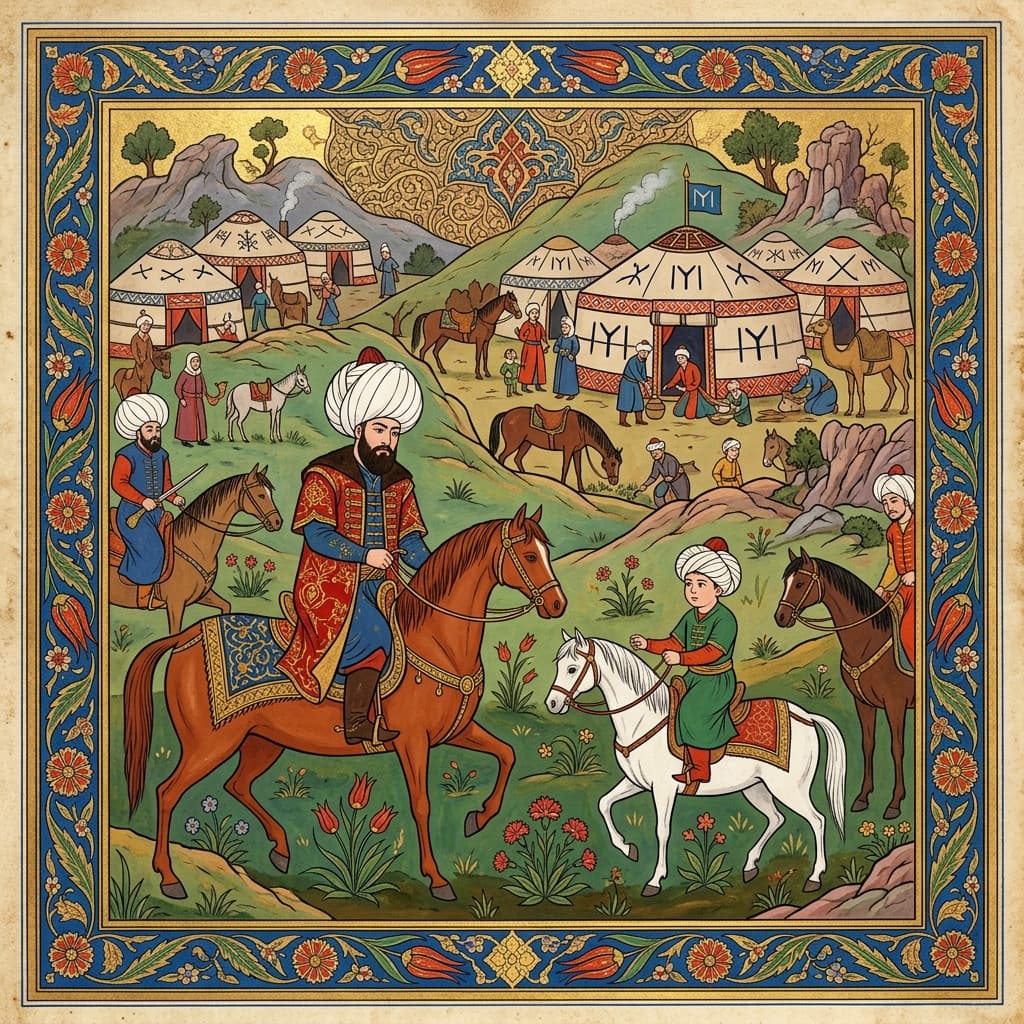
Osman was born around 1258 CE into the Kayi tribe of the Oghuz Turks, a nomadic group that had migrated westward into Anatolia following the Mongol invasions. His father, Ertugrul, had established a small principality in the region of Söğüt on the Byzantine frontier.
Osman inherited this modest territory around 1280 CE and immediately began expanding its reach through a combination of raids, alliances, and diplomatic marriages. He cultivated relationships with both neighboring Turkish begs and Byzantine border lords, presenting himself as a champion of the ghazi (holy warrior) tradition.
Contributions
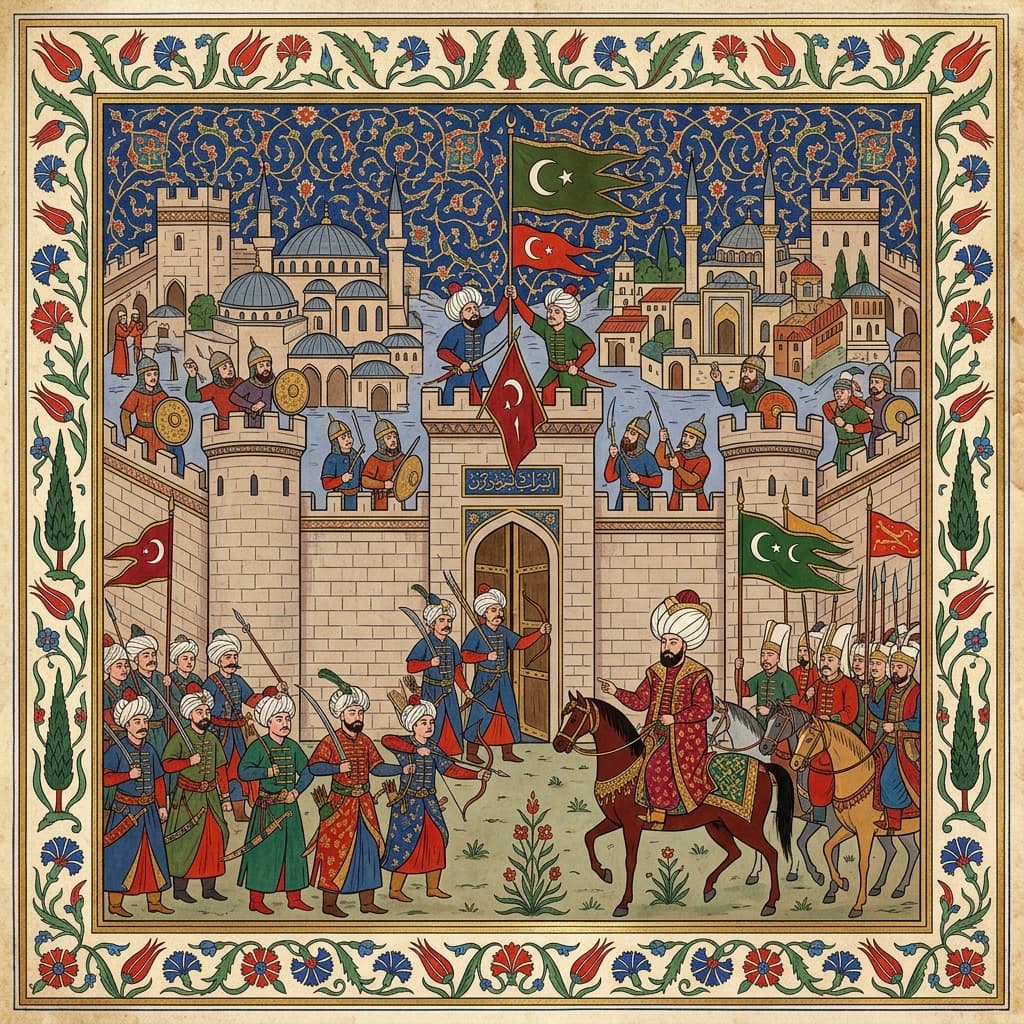
Osman's greatest contribution was the establishment of the institutional foundations of the Ottoman state. He created a loyal military following of ghazi warriors, institutionalized the principle of expanding the realm through conquest, and developed the political relationships that would sustain his successors.
His capture of Bursa (achieved just before his death in 1326 CE) gave the Ottomans their first major city and signaled the transformation of a frontier raiding force into a genuine imperial power. He also introduced the principle that sovereignty belonged to the Ottoman house collectively — a constitutional arrangement that would both empower and occasionally destabilize the dynasty.
Legacy
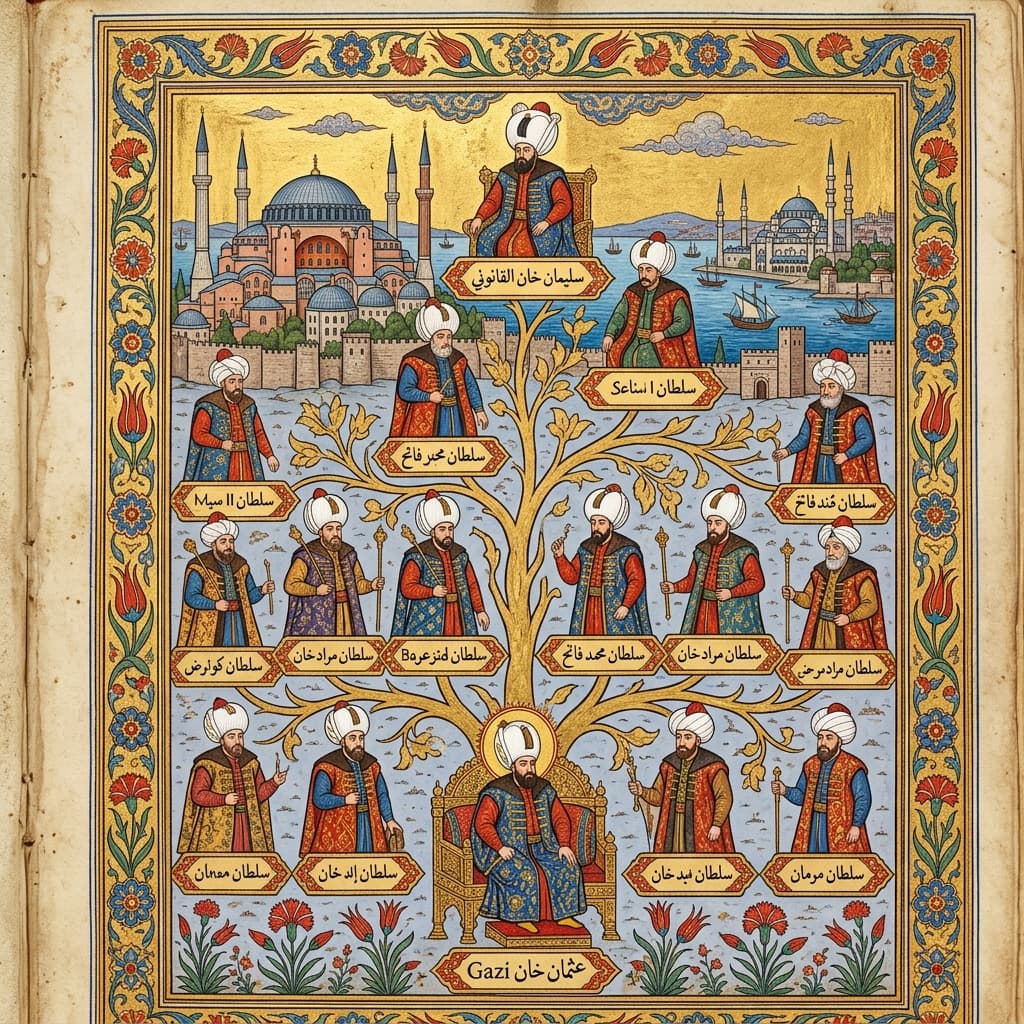
Osman's legacy is the dynasty and empire that bore his name for six centuries. The Ottoman state that endured until 1922 CE traced its legitimacy directly to his founding act, and subsequent sultans were known as sons of Osman (Osmanogullari).
His model of frontier statecraft — combining ghazi ideology with pragmatic alliance-making and political flexibility — proved extraordinarily durable. The Ottoman Empire he founded would eventually govern three continents, and his dynasty produced some of history's most consequential rulers.