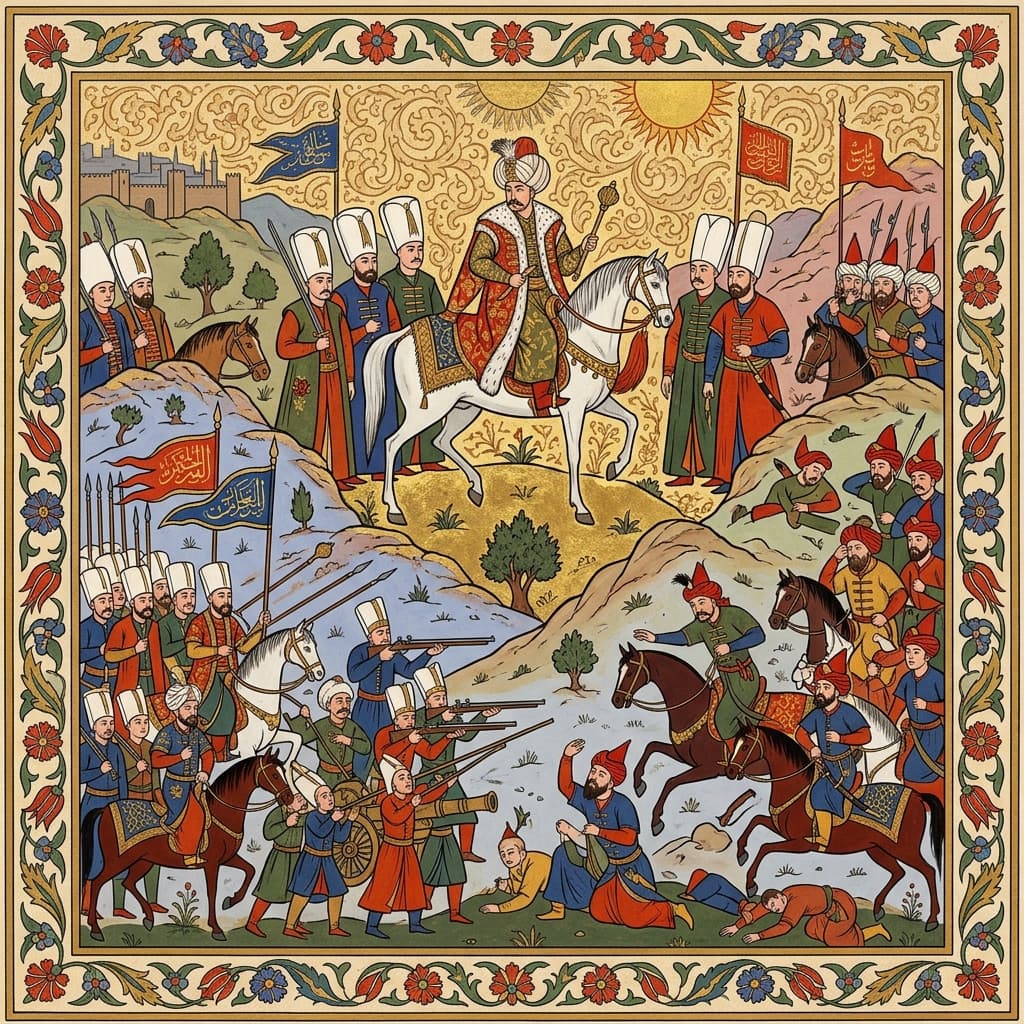
Introduction
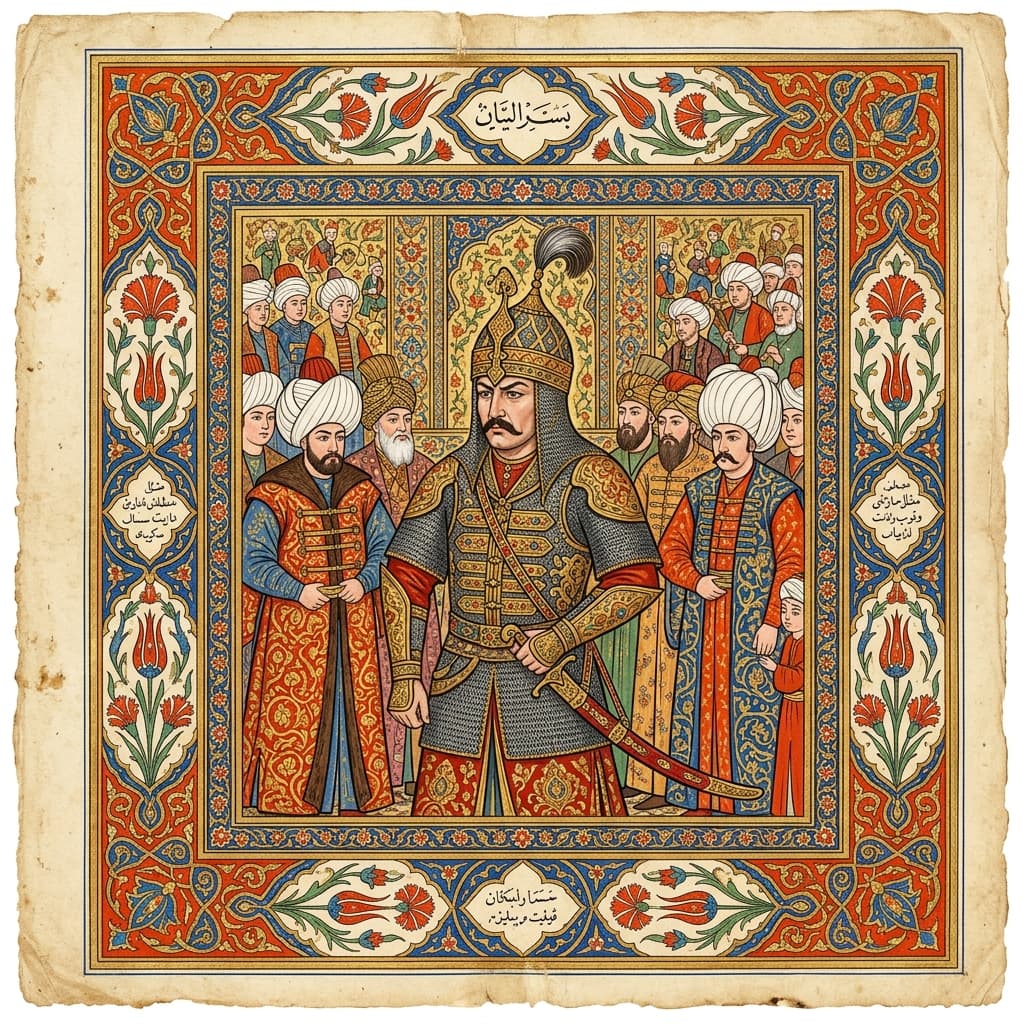
Selim I (1470–1520 CE), known as Yavuz (the Grim or the Resolute), was the ninth Ottoman sultan and one of the most dynamic military conquerors in Ottoman history. In just eight years of rule, he doubled the size of the empire and repositioned the Ottoman sultanate as the preeminent power of the Sunni Muslim world.
His campaigns against the Safavid Persians in the east and the Mamluk Sultanate in the south fundamentally reshaped the political geography of the Middle East.
Early Life
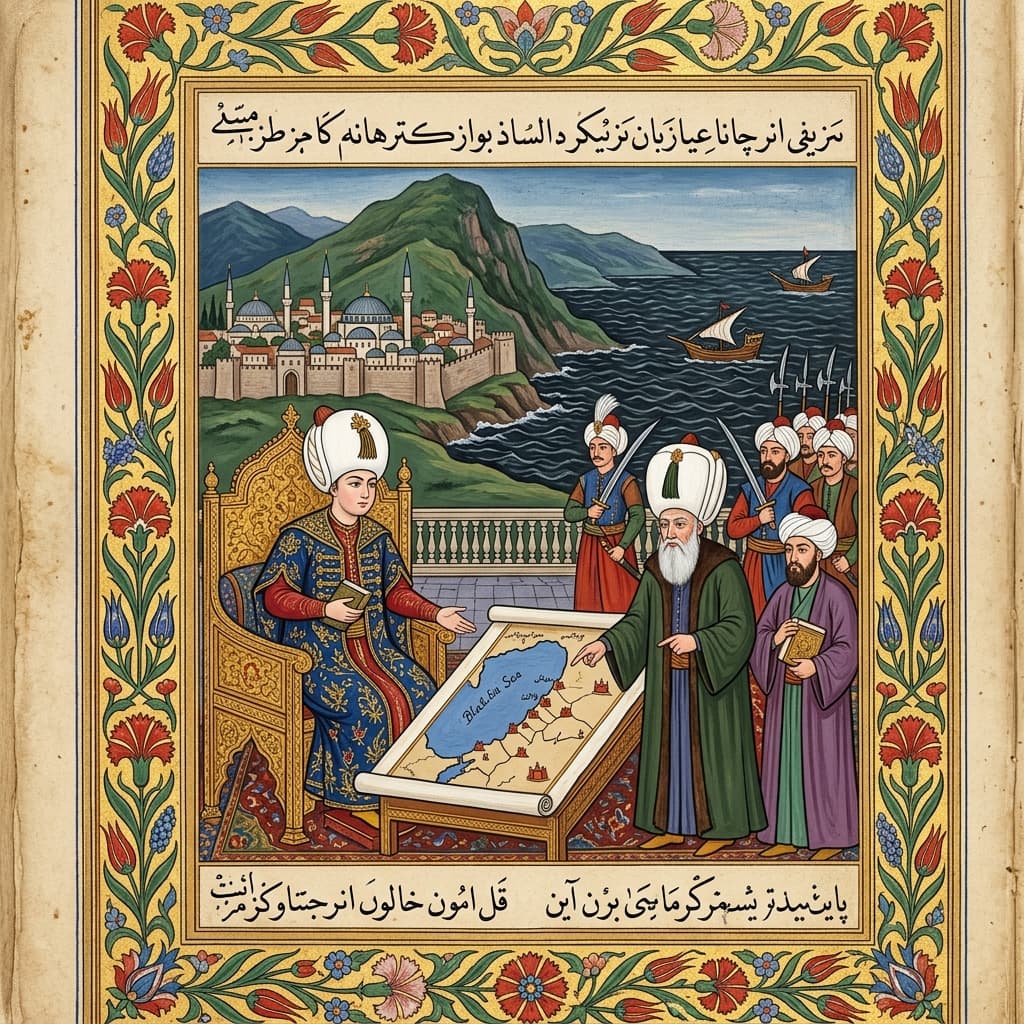
Born in 1470 CE in Amasya, Selim served as governor of Trabzon on the Black Sea coast, where he developed firsthand military experience against the Safavid threat along the eastern frontier. His relationship with his father, Sultan Bayezid II, was strained by his aggressive ambitions and his rivalry with his brothers.
In 1512, he deposed his aging father and eliminated his brothers in a succession struggle, establishing the practice of fratricide that would characterize Ottoman successions for generations. His ruthless consolidation of power was followed immediately by an equally ruthless program of imperial expansion.
Contributions
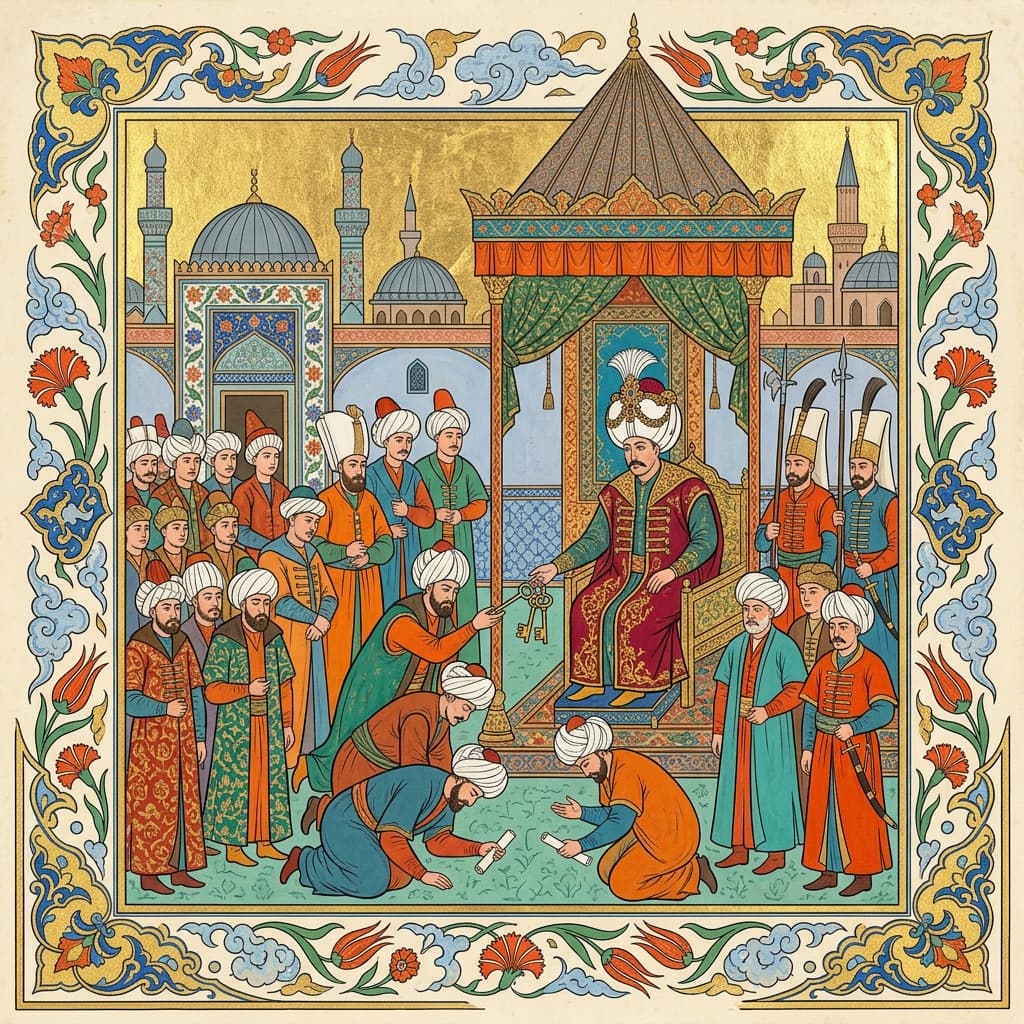
Selim's campaigns transformed the Ottoman Empire. His victory over Shah Ismail I of the Safavids at the Battle of Chaldiran (1514) secured eastern Anatolia and halted Safavid expansionism, though it did not end the conflict. His rapid southern campaigns then overthrew the Mamluk Sultanate, annexing Syria, Egypt, and the Hejaz — including the holy cities of Mecca and Medina — in just two years.
This acquisition gave Selim the title of Custodian of the Two Holy Mosques and transferred the symbolic caliphate to the Ottoman dynasty. He also significantly expanded the Ottoman navy and reorganized the empire's military and financial systems, laying the groundwork for his son Suleiman's golden age.
Legacy
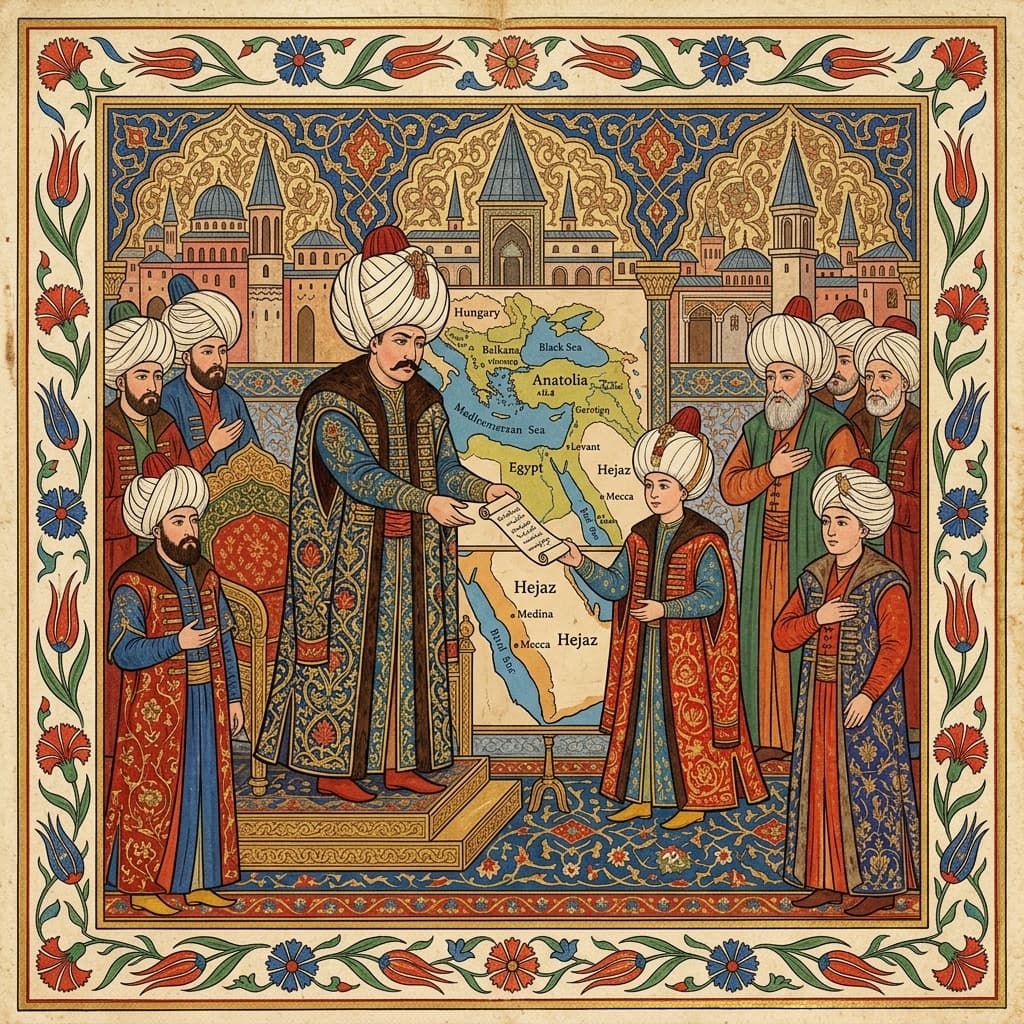
Selim I transformed the Ottoman Empire from a Balkan-Anatolian state into a Middle Eastern power with claims to leadership of the entire Sunni Muslim world. His acquisition of the holy cities gave Ottoman sultans a religious authority they would wield for centuries.
Despite his harsh reputation — he reportedly executed seven of his own grand viziers — Selim was also a poet of some accomplishment, writing verse in both Persian and Turkish. He died at fifty in 1520, reportedly en route to another campaign, leaving an empire dramatically larger than the one he had inherited.