Introduction
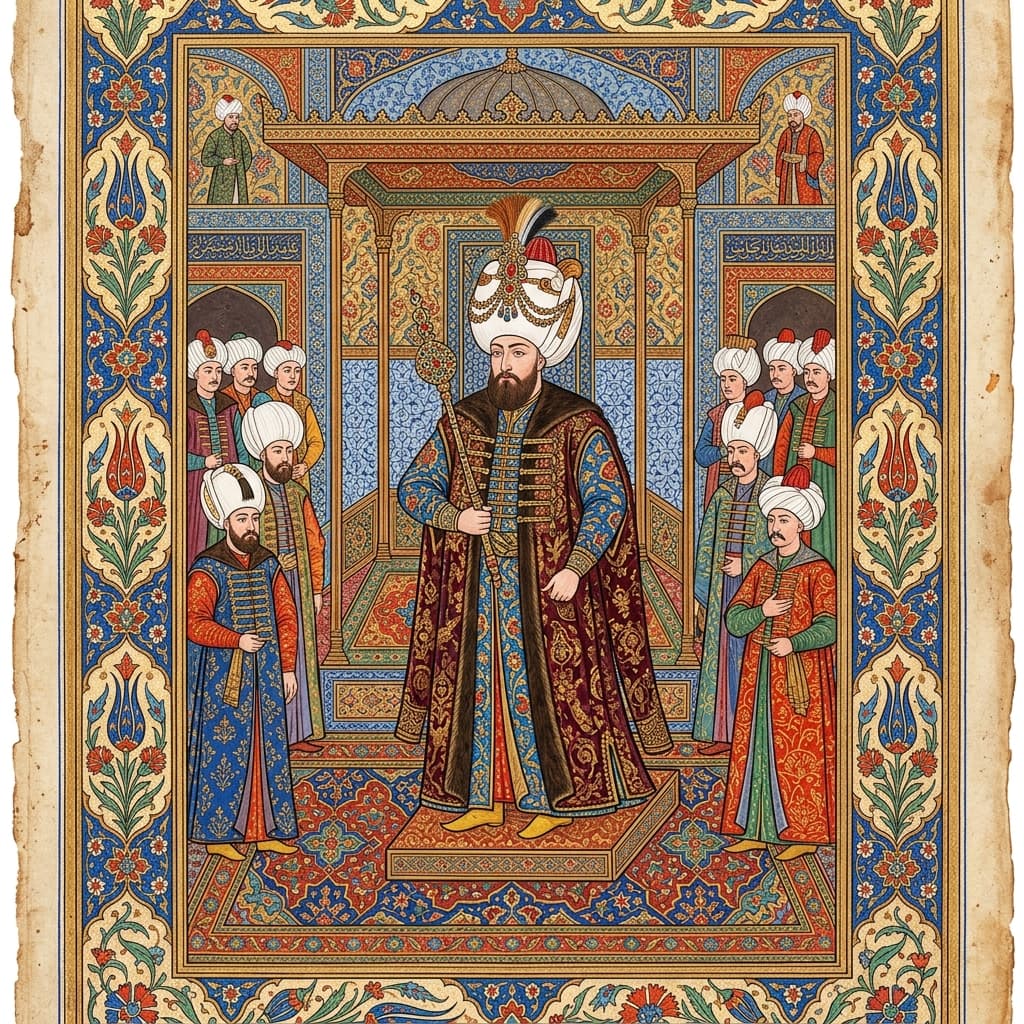
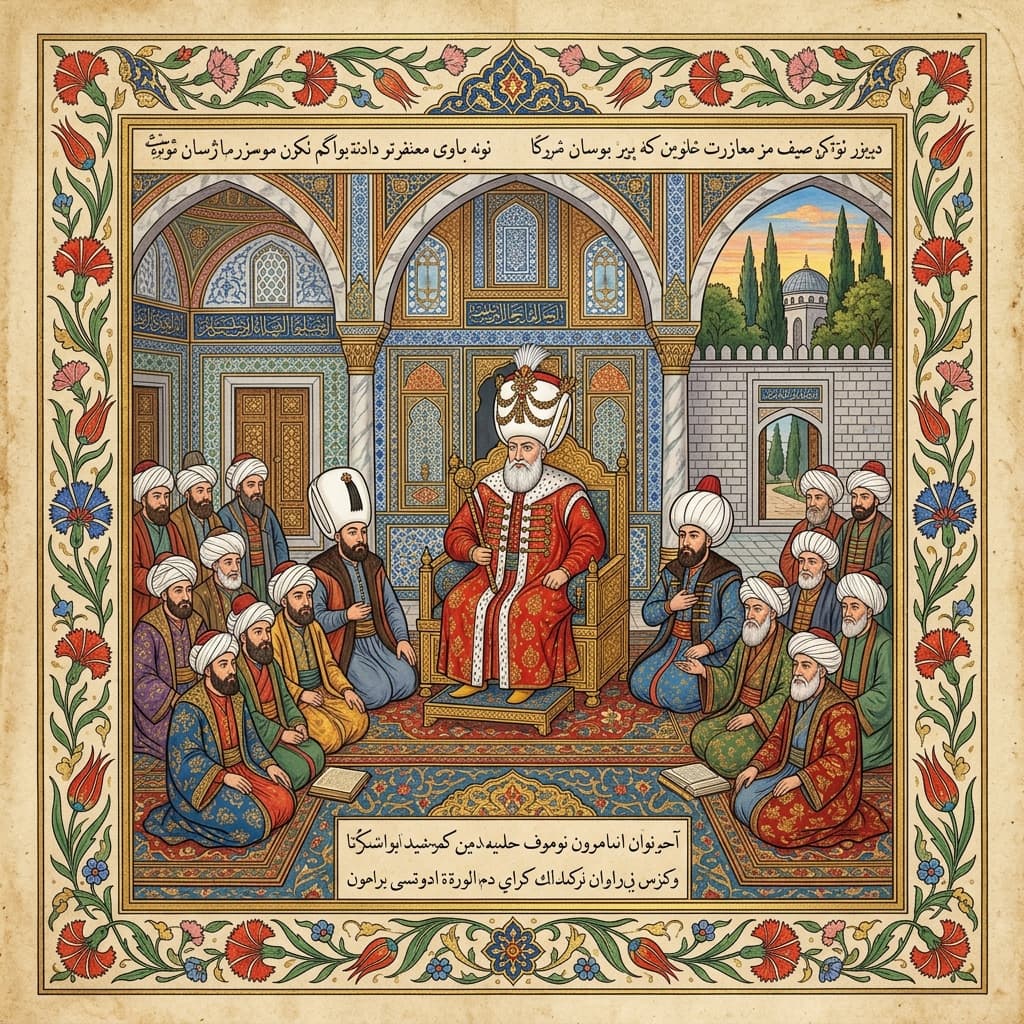
Suleiman I (1494–1566 CE), known in the West as Suleiman the Magnificent and to his own people as Kanuni (the Lawgiver), was the tenth and longest-reigning Ottoman sultan. His forty-six year reign represents the zenith of Ottoman power, cultural achievement, and territorial extent.
Under his rule, the empire's armies reached the gates of Vienna, his navy dominated the Mediterranean, his architects built monuments that still define the Istanbul skyline, and his legal reforms codified Ottoman governance for generations.
Early Life
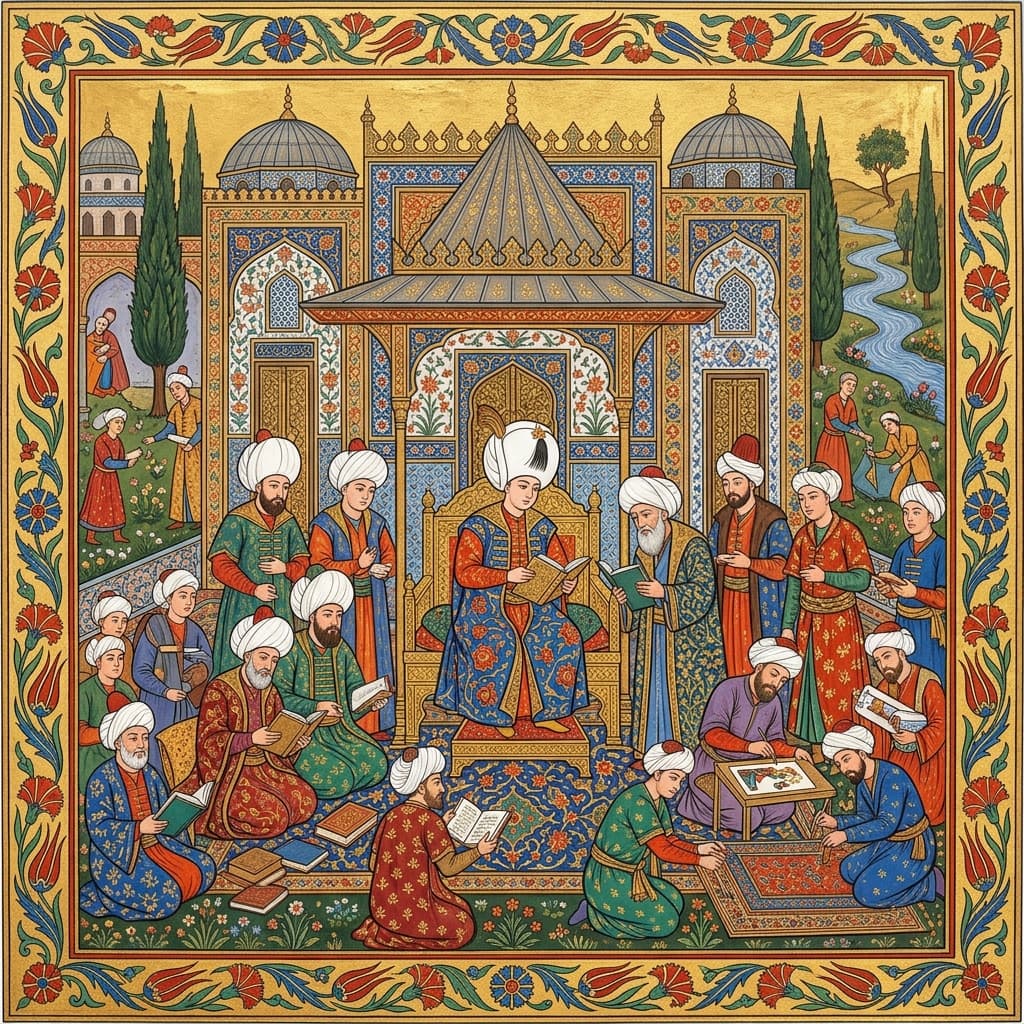
Born in 1494 CE in Trabzon, Suleiman was the only surviving son of Sultan Selim I and received the finest education the empire could provide. He served as governor of Manisa before his accession to the throne at twenty-six.
His early reign was marked by a series of rapid military successes: the capture of Belgrade (1521), the conquest of Rhodes (1522), and the decisive victory at Mohacs (1526) that ended the medieval Kingdom of Hungary. These campaigns established him as a military genius and set the tone for decades of expansionist ambition.
Contributions
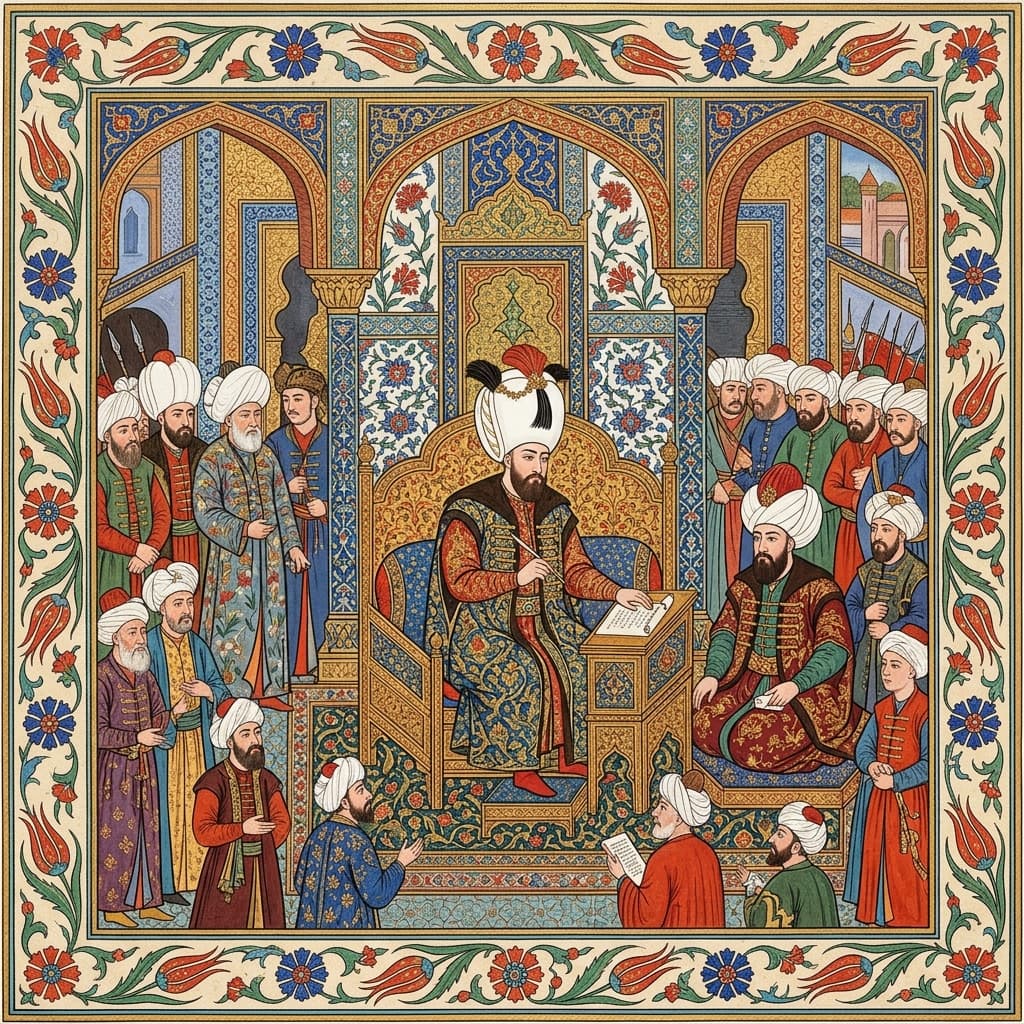
Suleiman's contributions span military conquest, legal reform, architectural patronage, and diplomatic statecraft. His kanunnames (law books) systematized Ottoman administration, standardized taxation, defined the rights of subjects, and regulated commercial activity across the empire — earning him the epithet Kanuni among his subjects.
He patronized the greatest architect of the Ottoman world, Mimar Sinan, under whose direction the Suleymaniye Mosque, Selimiye Mosque, and hundreds of other structures were built. He also cultivated a rich court culture of poetry, miniature painting, and calligraphy, while establishing diplomatic relationships with France, Venice, and other European powers.
Legacy
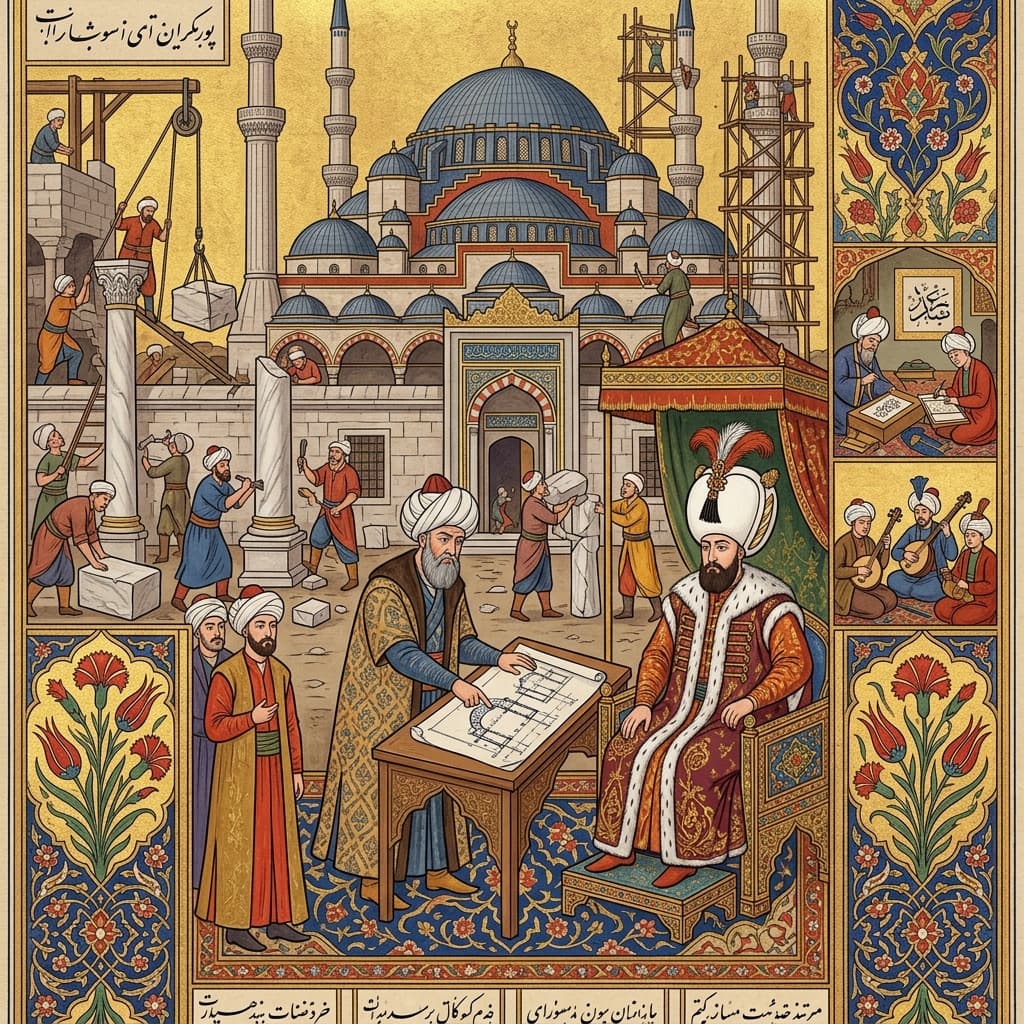
Suleiman's reign is the standard by which all other Ottoman eras are measured. The combination of military dominance, legal sophistication, and cultural achievement he presided over has never been equaled in Ottoman history.
His personal life was equally dramatic: his devoted relationship with Hurrem Sultan (Roxelana) broke with Ottoman custom and reshaped the role of women in the imperial household. He died on campaign in 1566, reportedly of illness, and was buried at the Suleymaniye Mosque — in the shadow of the monument that best embodies his vision of imperial greatness.