Introduction
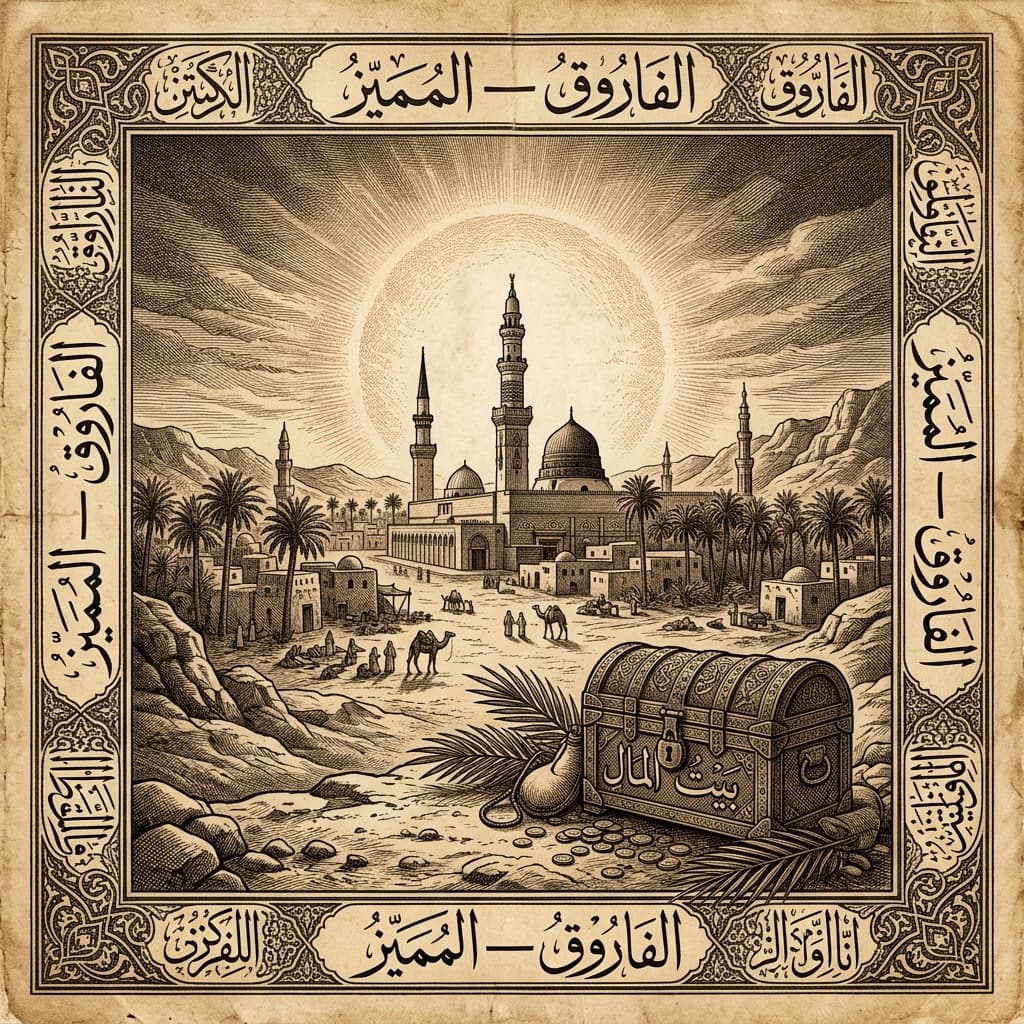
Umar ibn al-Khattab, the second Rashidun caliph, presided over one of the most transformative periods in early Islamic history. Under his rule, the caliphate expanded rapidly while developing stable administrative and judicial institutions.
He is widely regarded as one of history's most influential statesmen for combining strong governance with public accountability.
Early Life

Born in Mecca around 584 CE, Umar was initially a prominent Quraysh figure known for strength, discipline, and directness. After embracing Islam, he became a key supporter of the Prophet and a central figure in the Medinan community.
His temperament and commitment to justice later defined his caliphal leadership.
Contributions
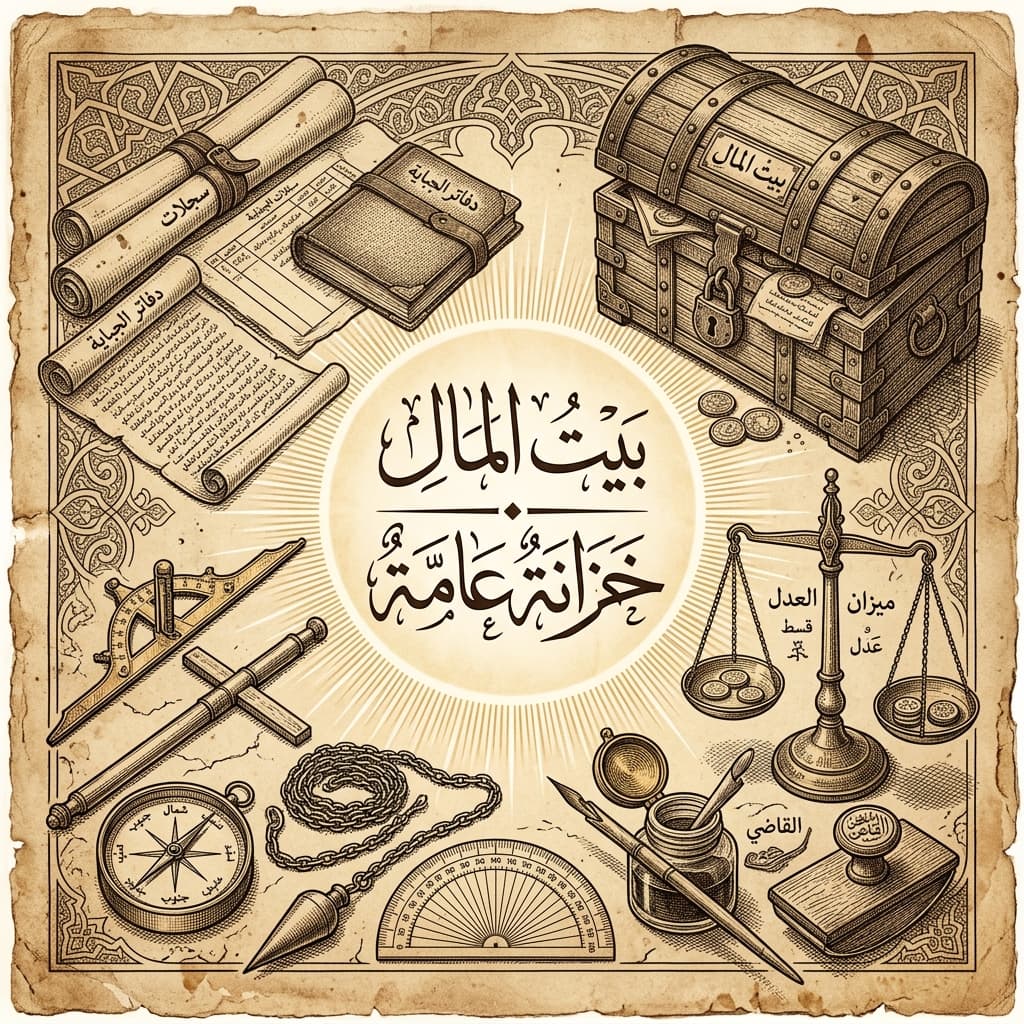
Umar institutionalized governance through the diwan system, organized Bayt al-Mal, appointed judges, and developed tax and land policies that balanced expansion with long-term stability. During his reign, major regions including the Levant, Egypt, and Persia came under Muslim rule.
He emphasized rule of law, welfare for vulnerable groups, and accountability of officials across the expanding state.
Legacy
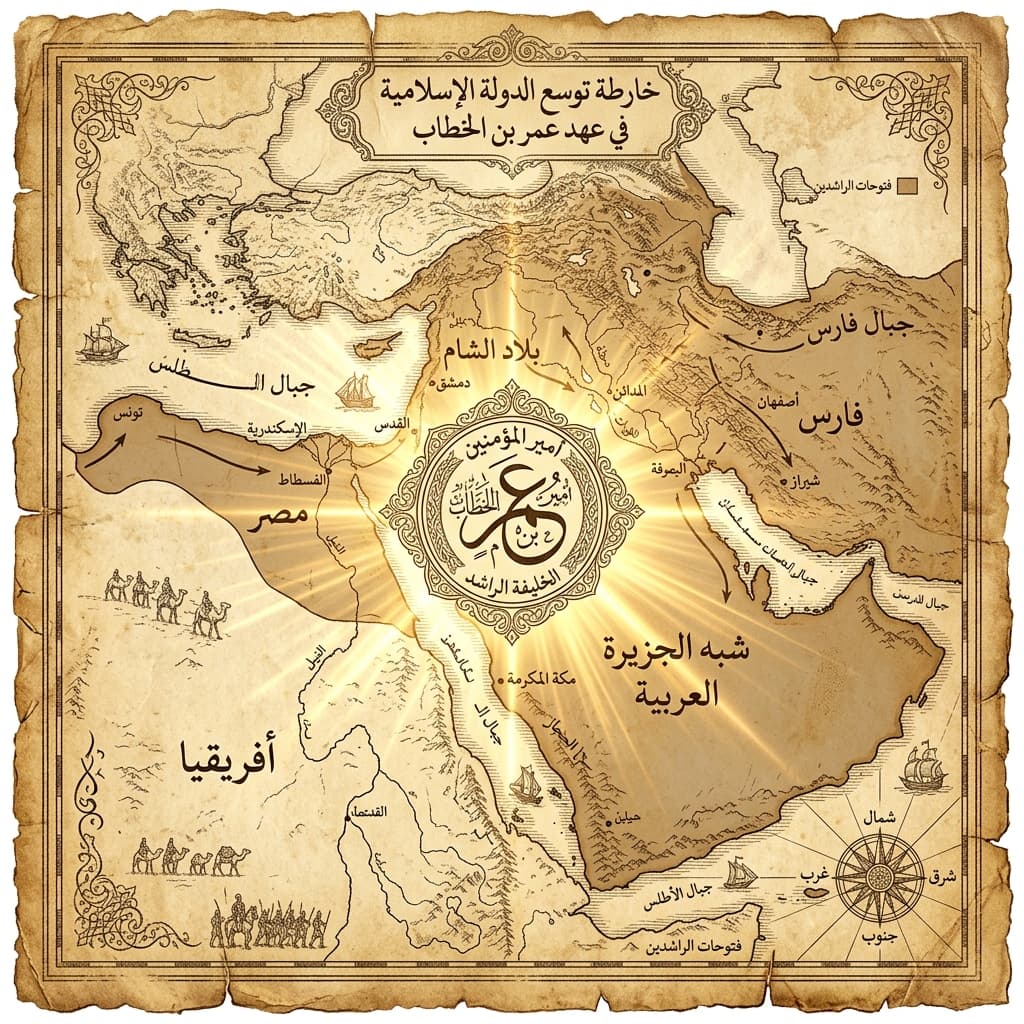
Umar's legacy rests on building durable political and legal structures that outlasted his reign. He set enduring standards for justice, consultation, and civic responsibility in Islamic statecraft.
His policies shaped subsequent caliphates and remain central to historical discussions of ethical governance.